What this guide helps you decide
Use the article to prepare questions, compare public listing details, and avoid choosing a campground from one headline, rating, or search result alone.
- 1. Top 5 Tips for Camping in National Parks
- Confirm seasonal access, amenities, fees, reservation rules, and availability with the campground.
- Compare more than one listing when the decision affects safety, cost, or travel time.
- Use public ratings and photos as signals, not guarantees.
1. Top 5 Tips for Camping in National Parks
Camping in national parks offers a unique opportunity to connect with nature, but it also comes with its own set of challenges. From unpredictable weather to wildlife encounters, it’s essential to be well-prepared for your adventure. In this guide, we’ll share the top 5 tips to help you have a safe and enjoyable camping experience in national parks.
2. Plan Your Trip in Advance
Planning is key to making the most of your national park camping experience. Here's what you need to do:
- Reserve your campsite early: Many national parks require reservations, especially during peak seasons. Make sure to book your spot ahead of time to avoid disappointment.
- Research the park: Each park has its own set of rules, terrain, and activities. Research the specific park to understand its best features and possible hazards.
- Check the weather forecast: Weather in national parks can change quickly. Check the forecast and prepare for any conditions, whether it's rain, snow, or extreme heat.
3. Pack Smart and Light
When camping in national parks, you'll want to pack efficiently. Remember, you’re likely to carry your gear over uneven terrain. Here’s what to bring:
- Compact gear: Opt for lightweight tents, sleeping bags, and cooking equipment. Look for gear that packs down small and is easy to carry.
- Weather-appropriate clothing: Bring layers, including waterproof and breathable outer layers. Even in summer, temperatures can drop unexpectedly at night in national parks.
- Essential survival items: Always pack a first aid kit, headlamp, multi-tool, and extra food and water. Consider bringing a portable power bank for electronics.
4. Choose the Right Campsite
The right campsite can make all the difference in your camping experience. Consider these factors when selecting your spot:
- Accessibility: Choose a site that's easily accessible, especially if you're hiking with heavy gear. Some sites may require long treks, so pick one within your limits.
- Safety: Avoid camping too close to cliffs, rivers, or animal habitats. A good campsite should be flat, dry, and free of potential hazards like falling rocks.
- Views and privacy: National parks often offer stunning views. Choose a spot that gives you access to great views, while still offering some privacy from other campers.
5. Wildlife Safety
One of the biggest concerns while camping in national parks is wildlife. To stay safe, follow these wildlife safety tips:
- Store food securely: Use bear-resistant containers and keep all food and scented items (like toiletries) sealed and away from your tent.
- Stay calm and quiet: If you encounter wildlife, do not approach it. Stay calm, make yourself look larger, and back away slowly.
- Use wildlife deterrents: Some campers use noise-makers or motion-activated lights to deter animals, especially bears and raccoons, from approaching their site.
6. Respect Nature and Follow Leave No Trace Principles
National parks are protected environments, and it’s essential to respect nature. Follow the Leave No Trace principles to minimize your impact:
- Pack out all waste: Don’t leave trash behind, including food scraps. Always carry out everything you bring in, including toilet paper and hygiene products.
- Stay on designated trails: Avoid creating new paths, which can cause erosion and disrupt the environment. Stick to established trails and campsites.
- Respect wildlife: Never feed animals or attempt to interact with them. Wildlife can carry diseases and may become aggressive if they feel threatened.
7. Real-Life Camping Case Studies
In 2019, a group of campers in Yellowstone National Park learned the importance of securing food when a bear managed to get into their campsite, despite their food being in a cooler. They hadn’t used bear-resistant containers, and the bear destroyed their gear. This incident emphasizes the importance of proper food storage and respecting wildlife rules in national parks.
8. Using Camp Spotter for Gear and Tips
For the best camping gear and expert advice, check out Camp Spotter. We offer a wide selection of camping essentials, from bear-proof food containers to lightweight tents, ensuring you're well-equipped for your national park adventure. Visit our website for recommendations and tips to enhance your outdoor experience.
Related Camping Guides
Keep reading if you are comparing destinations, amenities, access, reservation questions, or listing quality.
 How to Plan an RV Road Trip Through the Southwest U.S.Learn how to plan an RV road trip through the Southwest U.S. with route ideas, camping advice, packing tips, safety planning, and expert travel strategies for an unforgettable adventure.
 RV Essentials You Should Always Keep OnboardDiscover the RV essentials you should always keep onboard for safer and more comfortable trips. Learn which tools, supplies, and accessories every RV owner needs before hitting the road.
 Essential First Aid Tips Every Camper Should KnowLearn essential first aid tips every camper should know, including injury prevention, emergency response steps, first aid kit preparation, and outdoor safety advice for every adventure.
 Campfire Coffee Brewing Methods Every Camper Should TryDiscover the best Campfire Coffee brewing methods for campers, from classic cowboy coffee to pour-over techniques, with expert tips for making great coffee outdoors.
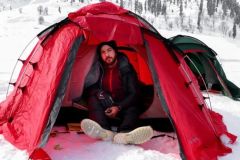 How to Maintain Comfort While Dry Camping in Cold WeatherLearn how to maintain comfort while dry camping in cold weather with practical insulation tips, gear strategies, real camping stories, and expert advice for safe winter outdoor adventures.
 Campfire Desserts Beyond S’mores: Easy Outdoor Treat IdeasDiscover creative Campfire Desserts That Go Beyond S’mores with easy, fun, and delicious outdoor recipes perfect for family camping nights and unforgettable fire pit moments.