What this guide helps you decide
Use the article to prepare questions, compare public listing details, and avoid choosing a campground from one headline, rating, or search result alone.
- 1. Understanding Winter Camping Conditions and Objectives
- 2. Choosing the Right Gear for Cold Weather Camping
- 3. Planning a Safe Location and Route
- Confirm seasonal access, amenities, fees, reservation rules, and availability with the campground.
- Compare more than one listing when the decision affects safety, cost, or travel time.
- Use public ratings and photos as signals, not guarantees.
- understanding-winter-camping-conditions-and-objectives
- choosing-the-right-gear-for-cold-weather-camping
- planning-a-safe-location-and-route
- winter-camping-food-strategies-and-cooking-tips
- a-real-experience-that-redefined-cold-weather-camping
1. Understanding Winter Camping Conditions and Objectives
Knowing how to plan a winter camping trip starts with understanding the unique challenges cold-weather environments present. Snow-covered terrain, shorter daylight hours, and unpredictable weather patterns demand a different mindset than warm-season camping.
Define your purpose: are you chasing alpine solitude, snowshoeing trails, or simply testing gear resilience in harsh conditions? Once you identify this, you’ll better shape your planning strategy.
It’s not just about endurance—it’s about preparation, and that’s where smart campers thrive. Campers often use Camp Spotter to identify weather-specific gear and trail-rated sites.
2. Choosing the Right Gear for Cold Weather Camping
One of the most critical parts of winter camping success is having gear built for sub-freezing conditions. A four-season tent, sleeping bag rated for below-zero temperatures, and insulated sleeping pads are non-negotiable.
Beyond shelter, layering is key. Experienced winter trekkers swear by the “three-layer rule”: moisture-wicking base, insulating mid, and weatherproof outerwear. Boots should be waterproof and compatible with snowshoes or crampons.
A camper from Michigan shared their story on Reddit of learning this the hard way—waking up in a frosted tent with cotton socks frozen stiff. “Merino wool saved my second night,” they wrote.
You can find curated cold-weather gear combinations through Camp Spotter based on trip length and regional forecasts.
3. Planning a Safe Location and Route
Selecting a campsite in winter involves more than just finding a flat space. You’ll need to consider avalanche risk, exposure to wind, and accessibility to emergency exits.
Use topographic maps to avoid valleys that collect cold air or ridges that invite high winds. Look for natural windbreaks such as tree stands or boulders. And always have a backup site planned.
Navigation tools like GPS trackers and preloaded offline maps are must-haves. One couple camping near Mount Hood got lost in a snowstorm and credited their pre-mapped GPS route for their safe return.
Camp Spotter allows you to filter locations based on accessibility and seasonal hazards, making trip planning more confident and secure.
4. Winter Camping Food Strategies and Cooking Tips
Caloric intake increases in the cold, and staying fueled is a matter of both energy and warmth. Opt for high-fat, high-protein meals that are easy to prepare in low temperatures.
Many campers rely on insulated food jars, freeze-dried meals with hot water, and even stovetop-ready soups. A TikTok user’s viral video of melting snow to boil pasta in Yosemite became a humorous yet practical lesson: “Bring more water than you think, or bring a fast-melting pot.”
Stoves should be cold-weather compatible—liquid fuel models often perform better than canisters in below-freezing temps.
Camp Spotter showcases winter-ready cook kits and recipes that perform well in wind, frost, and snow.
5. A Real Experience That Redefined Cold Weather Camping
During a snow trek in Colorado’s San Juan Mountains, a group of friends misjudged the night temperature drop. Their gear was rated for 20°F, but it dipped to -5°F. Thanks to an emergency bivvy and fire-starting skills, they weathered the night—barely.
They later shared their trip journal, emphasizing the importance of redundancy: two light sources, multiple fire-starting tools, and backup shelter. That story circulated in forums as a cautionary tale—and a badge of perseverance.
Whether you're a first-timer or seasoned winter trekker, stories like these remind us that planning isn’t just smart—it’s survival. If you're prepping for your own snowy adventure, consult Camp Spotter to find gear, maps, and advice tailored to winter campers.
Related Camping Guides
Keep reading if you are comparing destinations, amenities, access, reservation questions, or listing quality.
 How to Plan an RV Road Trip Through the Southwest U.S.Learn how to plan an RV road trip through the Southwest U.S. with route ideas, camping advice, packing tips, safety planning, and expert travel strategies for an unforgettable adventure.
 RV Essentials You Should Always Keep OnboardDiscover the RV essentials you should always keep onboard for safer and more comfortable trips. Learn which tools, supplies, and accessories every RV owner needs before hitting the road.
 Essential First Aid Tips Every Camper Should KnowLearn essential first aid tips every camper should know, including injury prevention, emergency response steps, first aid kit preparation, and outdoor safety advice for every adventure.
 Campfire Coffee Brewing Methods Every Camper Should TryDiscover the best Campfire Coffee brewing methods for campers, from classic cowboy coffee to pour-over techniques, with expert tips for making great coffee outdoors.
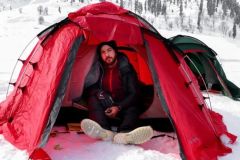 How to Maintain Comfort While Dry Camping in Cold WeatherLearn how to maintain comfort while dry camping in cold weather with practical insulation tips, gear strategies, real camping stories, and expert advice for safe winter outdoor adventures.
 Campfire Desserts Beyond S’mores: Easy Outdoor Treat IdeasDiscover creative Campfire Desserts That Go Beyond S’mores with easy, fun, and delicious outdoor recipes perfect for family camping nights and unforgettable fire pit moments.