What this guide helps you decide
Use the article to prepare questions, compare public listing details, and avoid choosing a campground from one headline, rating, or search result alone.
- How to Camp Safely in Remote Areas
- Confirm seasonal access, amenities, fees, reservation rules, and availability with the campground.
- Compare more than one listing when the decision affects safety, cost, or travel time.
- Use public ratings and photos as signals, not guarantees.
How to Camp Safely in Remote Areas
Camping in remote areas offers a unique and thrilling experience, but it also requires careful planning and preparation to ensure your safety. Whether you're heading into the wilderness for a weekend or a longer adventure, knowing how to camp safely is essential. In this guide, we’ll explore essential tips and strategies for camping in remote areas, from choosing the right gear to understanding the risks and how to mitigate them. Let's dive into how to make your remote camping experience as safe and enjoyable as possible.
- 1. Preparing for the Remote Camping Experience
- 2. Essential Gear for Camping in Remote Areas
- 3. Navigating and Staying Safe in the Wilderness
- 4. How to Handle Emergencies While Camping
- 5. Real-Life Camping Stories and Lessons Learned
1. Preparing for the Remote Camping Experience
Preparation is key when it comes to remote camping. Before heading out, you should thoroughly research the area you'll be camping in, understand the terrain, and know what to expect in terms of weather conditions. Make sure to plan your trip with safety in mind by considering the following:
- Research Local Wildlife: Understand which animals inhabit the area, and learn how to safely avoid or deal with encounters with wildlife.
- Weather Forecast: Remote areas can have unpredictable weather. Check the weather forecast regularly and prepare for extreme changes, such as sudden storms or temperature drops.
- Tell Someone Your Plans: Always inform a friend or family member about your camping location, itinerary, and expected return date in case of an emergency.
2. Essential Gear for Camping in Remote Areas
When camping in remote areas, having the right gear is critical for both your comfort and safety. Some key items to pack include:
- Navigation Tools: A detailed map, compass, or GPS device is essential for finding your way in the wilderness.
- Reliable Shelter: A durable tent designed for the conditions you may encounter (such as heavy rain or snow) is crucial. Consider investing in a four-season tent for added protection.
- First-Aid Kit: A well-stocked first-aid kit is essential for treating injuries or health issues. Include medications, bandages, antiseptics, and any personal prescriptions.
- Food and Water: Bring enough water and non-perishable food to last the entire trip. A portable water filter can also be handy for refilling your supply from nearby streams or lakes.
- Fire Safety: Matches, lighters, and fire starters are essential for creating warmth and cooking food. Be sure to follow proper fire safety protocols to avoid starting a wildfire.
3. Navigating and Staying Safe in the Wilderness
While remote camping offers a sense of solitude and connection with nature, it also means you are far from help. Understanding how to navigate and stay safe is a vital skill. Here are some tips:
- Stay on Marked Trails: Stick to known and marked trails to avoid getting lost. If you're venturing off the beaten path, ensure you have the proper navigation tools and knowledge.
- Know Your Limits: Don’t push yourself too hard. Remote areas may have challenging terrain, so take your time and listen to your body.
- Watch for Trail Signs: Pay attention to trail markers, especially in forested or mountainous areas, as they can help you stay on course and provide useful direction.
4. How to Handle Emergencies While Camping
Even with thorough preparation, emergencies can still happen. Here’s how to handle unexpected situations:
- Know Emergency Signals: Learn and practice emergency signaling techniques, such as using a whistle or mirror to attract attention in case you need help.
- Have an Evacuation Plan: Make sure you know the fastest route to a safe location, such as a road or a nearby town. Keep a backup plan in case of injury or weather-related delays.
- Use Technology Wisely: Carry a satellite phone or emergency beacon to call for help in areas without cellular service.
5. Real-Life Camping Stories and Lessons Learned
Many campers have shared stories of their remote adventures, from close encounters with wildlife to unexpected weather challenges. These stories offer valuable lessons for future campers. One camper, for instance, learned the hard way about the importance of fire safety after a small campfire spread due to dry conditions. Others emphasize the importance of packing light but ensuring you have enough food and water for the entire trip.
By learning from others' experiences, you can avoid common mistakes and ensure a safe, enjoyable camping experience. Always be prepared, stay alert, and enjoy the beauty and tranquility of the wilderness!
For more tips and expert advice on camping in remote areas, visit Camp Spotter for the best camping gear and services.
Related Camping Guides
Keep reading if you are comparing destinations, amenities, access, reservation questions, or listing quality.
 How to Plan an RV Road Trip Through the Southwest U.S.Learn how to plan an RV road trip through the Southwest U.S. with route ideas, camping advice, packing tips, safety planning, and expert travel strategies for an unforgettable adventure.
 RV Essentials You Should Always Keep OnboardDiscover the RV essentials you should always keep onboard for safer and more comfortable trips. Learn which tools, supplies, and accessories every RV owner needs before hitting the road.
 Essential First Aid Tips Every Camper Should KnowLearn essential first aid tips every camper should know, including injury prevention, emergency response steps, first aid kit preparation, and outdoor safety advice for every adventure.
 Campfire Coffee Brewing Methods Every Camper Should TryDiscover the best Campfire Coffee brewing methods for campers, from classic cowboy coffee to pour-over techniques, with expert tips for making great coffee outdoors.
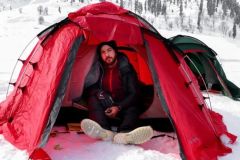 How to Maintain Comfort While Dry Camping in Cold WeatherLearn how to maintain comfort while dry camping in cold weather with practical insulation tips, gear strategies, real camping stories, and expert advice for safe winter outdoor adventures.
 Campfire Desserts Beyond S’mores: Easy Outdoor Treat IdeasDiscover creative Campfire Desserts That Go Beyond S’mores with easy, fun, and delicious outdoor recipes perfect for family camping nights and unforgettable fire pit moments.