What this guide helps you decide
Use the article to prepare questions, compare public listing details, and avoid choosing a campground from one headline, rating, or search result alone.
- 1. Understanding Winter Camping Basics
- 2. Gear Up for the Elements
- 3. Meal Planning and Campfire Management
- Confirm seasonal access, amenities, fees, reservation rules, and availability with the campground.
- Compare more than one listing when the decision affects safety, cost, or travel time.
- Use public ratings and photos as signals, not guarantees.
- 1 - understanding-winter-camping-basics
- 2 - gear-up-for-the-elements
- 3 - meal-planning-and-campfire-management
- 4 - safety-first-weather-and-health-awareness
- 5 - real-world-lessons-and-experiences
1. Understanding Winter Camping Basics
Planning a winter camping trip demands more than a love for the cold—it takes preparation, strategy, and the right mindset. Unlike summer camping, where comfort is more forgiving, winter adventuring means your safety is tied to smart planning. Snow, low temperatures, and shorter daylight hours all add complexity, but they also offer unmatched beauty and solitude.
The first decision is destination. Choose areas with accessible trails, ranger support, and proven winter camping infrastructure. Popular starting points include Yosemite’s Crane Flat, Colorado’s Rocky Mountain NP backcountry sites, and Michigan’s Porcupine Mountains.
2. Gear Up for the Elements
The gear you bring can make or break your winter camping trip. Start with a four-season tent built to handle wind and snow loads. Your sleeping system should include an insulated pad and a sleeping bag rated at least 10°F below expected nighttime temperatures.
Layering is critical. Use a base layer that wicks moisture, a mid-layer for insulation, and an outer shell to protect from wind and wet conditions. Don’t forget accessories: gloves, liner socks, gaiters, and a reliable headlamp are essential. If you’re unsure what to pick, visit Camp Spotter for cold-weather gear curated by experienced winter campers.
3. Meal Planning and Campfire Management
Winter calories burn fast, so your meal plan needs to be calorie-rich and simple to prepare in cold conditions. Pack high-energy snacks (nuts, jerky, energy bars) and meals that rehydrate quickly with boiling water.
If you’re allowed to build a fire, plan with dry tinder and backup fire starters. Wet wood and frozen kindling are common challenges. A compact camp stove with isobutane-propane fuel is often more reliable for cooking. Melt snow for water only after boiling or filtering.
Experienced camper Leah G. shared, “We premade chili at home and froze it—by the time we set up camp, it thawed perfectly, and all we had to do was heat it in a pot.”
4. Safety First: Weather and Health Awareness
Check weather forecasts obsessively. Avoid heavy snowfall predictions or sudden drops in temperature. Bring a GPS device or map with offline access. Let someone know your route and expected return time.
Frostbite and hypothermia are real risks. Learn the signs—tingling fingers, shivering, slurred speech—and know when to act. Always pack an emergency bivy, hand warmers, and a small first-aid kit.
Also, mind your hydration. Dehydration often goes unnoticed in the cold. Drink regularly—even if you don’t feel thirsty.
5. Real-World Lessons and Experiences
When Mark and his brother set out for their first winter camping trip in New Hampshire’s White Mountains, they underestimated how long it would take to set up camp before sunset. “We lost daylight, and pitching our tent in deep snow with cold fingers was brutal,” he said. Now, they always plan for two hours of daylight buffer for setup—and bring snow anchors.
Winter camping is not just about enduring the cold—it’s about embracing it with the right tools, training, and mindset. With proper planning, it can become the most rewarding outdoor experience you’ll ever have. And if you're unsure where to start, check out Camp Spotter for expert-recommended winter camping kits and region-specific product picks that take the guesswork out of gearing up.
Related Camping Guides
Keep reading if you are comparing destinations, amenities, access, reservation questions, or listing quality.
 How to Plan an RV Road Trip Through the Southwest U.S.Learn how to plan an RV road trip through the Southwest U.S. with route ideas, camping advice, packing tips, safety planning, and expert travel strategies for an unforgettable adventure.
 RV Essentials You Should Always Keep OnboardDiscover the RV essentials you should always keep onboard for safer and more comfortable trips. Learn which tools, supplies, and accessories every RV owner needs before hitting the road.
 Essential First Aid Tips Every Camper Should KnowLearn essential first aid tips every camper should know, including injury prevention, emergency response steps, first aid kit preparation, and outdoor safety advice for every adventure.
 Campfire Coffee Brewing Methods Every Camper Should TryDiscover the best Campfire Coffee brewing methods for campers, from classic cowboy coffee to pour-over techniques, with expert tips for making great coffee outdoors.
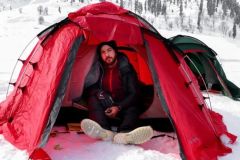 How to Maintain Comfort While Dry Camping in Cold WeatherLearn how to maintain comfort while dry camping in cold weather with practical insulation tips, gear strategies, real camping stories, and expert advice for safe winter outdoor adventures.
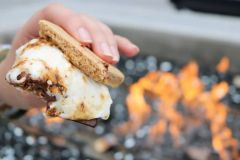 Campfire Desserts Beyond S’mores: Easy Outdoor Treat IdeasDiscover creative Campfire Desserts That Go Beyond S’mores with easy, fun, and delicious outdoor recipes perfect for family camping nights and unforgettable fire pit moments.