What this guide helps you decide
Use the article to prepare questions, compare public listing details, and avoid choosing a campground from one headline, rating, or search result alone.
- 1- Introduction
- 2- Why Plan a Winter RV Trip?
- 3- Key Considerations for Winter RV Travel
- Confirm seasonal access, amenities, fees, reservation rules, and availability with the campground.
- Compare more than one listing when the decision affects safety, cost, or travel time.
- Use public ratings and photos as signals, not guarantees.
- 1- Introduction
- 2- Why Plan a Winter RV Trip?
- 3- Key Considerations for Winter RV Travel
- 4- How to Prepare Your RV for Winter Travel
- 5- Real-Life Case: A Successful Winter RV Journey
1- Introduction
Embarking on a winter RV trip across multiple states offers a unique opportunity to explore the beauty of the season while enjoying the comfort and flexibility of your home on wheels. However, planning a winter RV trip requires careful preparation to ensure you stay safe, warm, and comfortable throughout your journey. In this article, we’ll explore the key steps for planning a successful winter RV trip, including important factors to consider, how to prepare your RV for winter conditions, and tips for making your multi-state adventure enjoyable.
2- Why Plan a Winter RV Trip?
Winter RV travel might not be on everyone’s radar, but it offers several advantages for those looking for an adventurous escape. Here are some reasons to consider planning your winter RV trip:
1. Fewer Crowds and Lower Costs
Winter is typically considered the off-season for RV travel, meaning you’ll encounter fewer crowds at campgrounds and tourist attractions. Additionally, winter rates for campgrounds and RV parks are often lower, making it an affordable time to travel.
2. Scenic Winter Landscapes
Winter landscapes offer a different perspective on nature’s beauty. From snow-capped mountains to serene frozen lakes, a winter RV trip allows you to enjoy breathtaking views that you wouldn’t experience in the summer months.
3. Ideal for Northern Adventures
If you’ve ever wanted to visit destinations like the Rocky Mountains, national parks, or iconic winter events, winter RV travel is the perfect way to make the most of these areas while avoiding peak season crowds.
3- Key Considerations for Winter RV Travel
Winter RV travel comes with unique challenges, but with the right preparation, you can enjoy a safe and enjoyable journey. Here are some essential considerations:
1. Weather Conditions
Winter weather can be unpredictable, so it’s important to stay informed about the forecast in the areas you plan to visit. Ice, snow, and freezing temperatures can affect both road conditions and your RV’s performance. Always check road conditions before heading out and be prepared for unexpected weather changes.
2. Heating Your RV
Keeping your RV warm is crucial during winter trips. Make sure your heating system is in top working condition and that you have a backup plan in case of heating system failure. Consider using space heaters, extra blankets, and insulated curtains to keep the interior cozy. You may also want to invest in RV-specific winterizing gear, such as heated water hoses, to prevent freezing.
3. Winter Road Safety
Driving in winter conditions requires extra caution, especially when towing or driving an RV. Ensure your tires are equipped for winter weather, and keep your RV’s windshield washer fluid topped off. Always carry chains or traction devices, and familiarize yourself with winter driving techniques to stay safe on icy or snowy roads.
4. Seasonal Destinations
Some areas are better suited for winter RV travel than others. For example, southern states like Arizona and California offer milder temperatures and sunny skies, while northern destinations like Yellowstone or the Canadian Rockies are perfect for winter sports. Plan your route based on your interests and the weather conditions in the region.
4- How to Prepare Your RV for Winter Travel
Preparing your RV for winter travel is essential to ensure a smooth and comfortable journey. Here are some tips for winterizing your RV:
1. Insulate and Seal
Proper insulation is key to keeping your RV warm during cold temperatures. Check for any gaps or cracks that may let in cold air and seal them with weatherproofing materials. Consider adding extra insulation to areas like windows, doors, and the RV’s plumbing system to prevent freezing.
2. Check Your Heating System
Before hitting the road, have your RV’s heating system inspected to make sure it’s working efficiently. Ensure that the furnace, vents, and all related components are in good condition. Bring extra fuel for your heater in case you encounter prolonged cold temperatures.
3. Winterize Your Water System
Frozen pipes are a major concern during winter RV travel. Be sure to drain all water lines before the temperatures drop, and use antifreeze designed for RVs to prevent freezing in the plumbing. You can also invest in heated hoses to keep water flowing during your trip.
4. Pack for Winter Conditions
Don’t forget to pack winter-specific gear such as warm clothing, snow chains, and emergency supplies. If you plan on hiking or exploring the outdoors, ensure you have the right gear, including boots, snowshoes, and winter jackets.
5- Real-Life Case: A Successful Winter RV Journey
Let’s take a look at the story of John and Lisa, a couple who decided to embark on a winter RV trip across multiple states from Michigan to Florida. They carefully planned their route to avoid extreme winter conditions and stayed in southern states for the majority of the trip, but made a quick stop in the Smoky Mountains for a winter hike.
John and Lisa spent weeks preparing their RV, ensuring their heating system was up to date and that they had insulated the plumbing and windows. They invested in extra warm blankets and a portable space heater to ensure they stayed cozy at night. Throughout their journey, they monitored weather conditions and adjusted their route when necessary, making sure they avoided dangerous icy roads. Thanks to their careful planning and preparation, they had a fantastic trip and returned home with unforgettable memories from their winter RV adventure.
Related Camping Guides
Keep reading if you are comparing destinations, amenities, access, reservation questions, or listing quality.
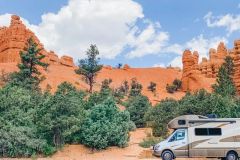 How to Plan an RV Road Trip Through the Southwest U.S.Learn how to plan an RV road trip through the Southwest U.S. with route ideas, camping advice, packing tips, safety planning, and expert travel strategies for an unforgettable adventure.
 RV Essentials You Should Always Keep OnboardDiscover the RV essentials you should always keep onboard for safer and more comfortable trips. Learn which tools, supplies, and accessories every RV owner needs before hitting the road.
 Essential First Aid Tips Every Camper Should KnowLearn essential first aid tips every camper should know, including injury prevention, emergency response steps, first aid kit preparation, and outdoor safety advice for every adventure.
 Campfire Coffee Brewing Methods Every Camper Should TryDiscover the best Campfire Coffee brewing methods for campers, from classic cowboy coffee to pour-over techniques, with expert tips for making great coffee outdoors.
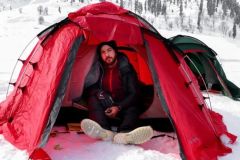 How to Maintain Comfort While Dry Camping in Cold WeatherLearn how to maintain comfort while dry camping in cold weather with practical insulation tips, gear strategies, real camping stories, and expert advice for safe winter outdoor adventures.
 Campfire Desserts Beyond S’mores: Easy Outdoor Treat IdeasDiscover creative Campfire Desserts That Go Beyond S’mores with easy, fun, and delicious outdoor recipes perfect for family camping nights and unforgettable fire pit moments.