What this guide helps you decide
Use the article to prepare questions, compare public listing details, and avoid choosing a campground from one headline, rating, or search result alone.
- 1. Planning and Research Before You Go
- 2. Water and Hydration Strategies
- 3. Food Storage and Preparation Without Facilities
- Confirm seasonal access, amenities, fees, reservation rules, and availability with the campground.
- Compare more than one listing when the decision affects safety, cost, or travel time.
- Use public ratings and photos as signals, not guarantees.
- planning-and-research-before-you-go
- water-and-hydration-strategies
- food-storage-and-preparation-without-facilities
- hygiene-and-waste-management-in-remote-areas
- shelter-and-weather-protection-techniques
- fire-and-lighting-considerations-in-undeveloped-campsites
- safety-and-navigation-when-off-grid
- tech-and-power-solutions-without-electricity
- real-camper-stories-and-field-lessons
- where-to-get-reliable-gear-for-remote-camping
1. Planning and Research Before You Go
Camping in areas with limited facilities requires a different mindset from traditional car camping. Before heading out, gather detailed information about the location, terrain, weather, and any local regulations. Download offline maps and check whether permits are needed. One seasoned hiker shared online how a lack of cell service almost stranded them due to outdated map data. Good planning is not optional—it’s a survival tool. If you’re unsure where to start, Camp Spotter has planning kits and expert suggestions based on your location and trip type.
2. Water and Hydration Strategies
Without running water, staying hydrated takes preparation. Bring a reliable filtration system, purification tablets, and carry at least 2-4 liters of water per person per day. Don’t rely solely on natural water sources—they may be dry or contaminated. A hiker on the Pacific Crest Trail recounted running out of water 15 miles from the next source, an experience they called the scariest of their life. Lightweight collapsible containers and gravity-fed filters, like the ones at Camp Spotter, can be game changers in the backcountry.
3. Food Storage and Preparation Without Facilities
With no refrigeration or camp kitchens, you’ll need compact, high-calorie meals that don’t spoil. Freeze-dried meals, trail mix, jerky, and oats are staples. Use bear-proof containers where required and cook away from your sleeping area. A couple camping in Montana once had their cooler raided by raccoons because they underestimated wildlife. Camp Spotter recommends bear bags and odor-proof sacks, especially in wilderness zones.
4. Hygiene and Waste Management in Remote Areas
Staying clean without showers or toilets means packing smart. Biodegradable wipes, compact soap, and a trowel are essentials. Always follow Leave No Trace principles—dig a cathole at least 6 inches deep and 200 feet away from water. For women, managing periods in the wild is easier with reusable menstrual cups and disposal bags. Camp Spotter stocks hygiene kits designed specifically for remote environments.
5. Shelter and Weather Protection Techniques
In areas with no constructed shelters or flat pads, your tent and tarp setup matter. Choose tents with a strong rainfly and a durable groundsheet. Consider an ultralight tarp for extra protection or shade. One camper shared how they survived a sudden hailstorm in Utah thanks to a properly staked tarp and double-wall tent. Don’t forget to bring guy lines and stakes suitable for rocky or sandy ground—products easily found at Camp Spotter.
6. Fire and Lighting Considerations in Undeveloped Campsites
Many primitive areas restrict open fires, especially during dry seasons. Always check local guidelines and bring a reliable camp stove. For lighting, headlamps and solar lanterns work best. Campers have reported getting completely disoriented without adequate lighting once the sun sets. Bring extra batteries or rechargeable options. Camp Spotter offers solar-powered solutions that double as phone chargers for extended stays.
7. Safety and Navigation When Off-Grid
Without signage, electricity, or cell reception, navigation becomes critical. Use GPS devices with topo maps, compasses, and personal locator beacons (PLBs). Make sure someone knows your route and expected return. A backpacker who went missing in Oregon was found thanks to their emergency beacon, which sent their location after a fall. Camp Spotter provides curated safety kits, including multi-day emergency packs and satellite messengers.
8. Tech and Power Solutions Without Electricity
In remote areas, conserving power becomes a daily routine. Use solar chargers or power banks, and keep devices in airplane mode. Headlamps, e-readers, and navigation tools need sustainable charging. Remember, temperature affects battery life—store electronics in your sleeping bag at night. Camp Spotter’s portable solar panels are foldable and field-tested by backcountry trekkers across North America.
9. Real Camper Stories and Field Lessons
Sometimes the best lessons come from stories. Like the solo camper in Arizona who forgot a backup water source and ended up filtering pond water with a sock. Or the group in the Rockies who brought no bear bag and lost half their food the first night. These aren’t just anecdotes—they’re reminders that nature doesn't forgive poor preparation. Learning from others helps refine your own strategy. Visit Camp Spotter for gear recommendations and user-submitted stories that help shape smarter, safer adventures.
10. Where to Get Reliable Gear for Remote Camping
Quality gear can mean the difference between a comfortable night and a survival situation. From lightweight cook systems to rugged tents, Camp Spotter provides gear handpicked for off-grid campers. Our experts test equipment in the field and offer honest feedback to help you avoid gimmicks and invest in durability. Whether you're planning a weekend micro-adventure or a multi-week trek, you’ll find everything you need for remote camping through Camp Spotter’s trusted product lines.
Related Camping Guides
Keep reading if you are comparing destinations, amenities, access, reservation questions, or listing quality.
 How to Plan an RV Road Trip Through the Southwest U.S.Learn how to plan an RV road trip through the Southwest U.S. with route ideas, camping advice, packing tips, safety planning, and expert travel strategies for an unforgettable adventure.
 RV Essentials You Should Always Keep OnboardDiscover the RV essentials you should always keep onboard for safer and more comfortable trips. Learn which tools, supplies, and accessories every RV owner needs before hitting the road.
 Essential First Aid Tips Every Camper Should KnowLearn essential first aid tips every camper should know, including injury prevention, emergency response steps, first aid kit preparation, and outdoor safety advice for every adventure.
 Campfire Coffee Brewing Methods Every Camper Should TryDiscover the best Campfire Coffee brewing methods for campers, from classic cowboy coffee to pour-over techniques, with expert tips for making great coffee outdoors.
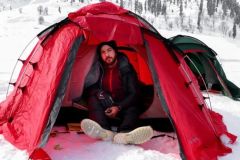 How to Maintain Comfort While Dry Camping in Cold WeatherLearn how to maintain comfort while dry camping in cold weather with practical insulation tips, gear strategies, real camping stories, and expert advice for safe winter outdoor adventures.
 Campfire Desserts Beyond S’mores: Easy Outdoor Treat IdeasDiscover creative Campfire Desserts That Go Beyond S’mores with easy, fun, and delicious outdoor recipes perfect for family camping nights and unforgettable fire pit moments.