What this guide helps you decide
Use the article to prepare questions, compare public listing details, and avoid choosing a campground from one headline, rating, or search result alone.
- 1. Decide Your Camping Goals and Style
- 2. Map Out Your Cross-Country Route
- 3. Choose the Best Campsites and Reserve Ahead
- Confirm seasonal access, amenities, fees, reservation rules, and availability with the campground.
- Compare more than one listing when the decision affects safety, cost, or travel time.
- Use public ratings and photos as signals, not guarantees.
- decide-your-camping-goals-and-style - Decide Your Camping Goals and Style
- map-out-your-cross-country-route - Map Out Your Cross-Country Route
- choose-the-best-campsites-and-reserve-ahead - Choose the Best Campsites and Reserve Ahead
- plan-gear-and-food-for-all-environments - Plan Gear and Food for All Environments
- stay-legal-and-responsible-on-the-road - Stay Legal and Responsible on the Road
- make-time-for-spontaneity-and-rest - Make Time for Spontaneity and Rest
- real-case-lessons-from-the-vanlife-community - Real Case: Lessons from the Vanlife Community
1. Decide Your Camping Goals and Style
Before planning a cross-country camping road trip, ask yourself: what kind of experience do I want? Some campers chase national parks, while others prefer scenic byways and lesser-known state forests. Whether you're car camping, using a campervan, or tenting in primitive backcountry spots, your trip style determines everything—from budget to gear choices.
If you're not sure where to begin, check resources like Camp Spotter for curated recommendations based on your preferences.
2. Map Out Your Cross-Country Route
One of the most exciting parts of any cross-country trip is creating your route. Use tools like Google Maps, Roadtrippers, or Gaia GPS to mark your key stops. Mix iconic routes like Route 66 or the Pacific Coast Highway with hidden gems you find through local blogs and forums.
Make sure to factor in fuel stops, rest areas, and scenic detours. Cross-country doesn’t mean rushing—it means enjoying the journey.
3. Choose the Best Campsites and Reserve Ahead
Many campgrounds near national parks and famous landmarks book out months in advance, especially in peak seasons. If you’re targeting Yosemite, Yellowstone, or Glacier, book early through Recreation.gov or state park portals.
Private campgrounds and dispersed camping areas are often less crowded alternatives. Always research local regulations and check for fire bans or wildlife alerts. Camp Spotter is a great resource to discover both top-rated and off-grid camping spots.
4. Plan Gear and Food for All Environments
From deserts to mountains to coastal zones, a cross-country camper faces every type of terrain and climate. Make sure your packing list includes:
- A 3-season tent and quality sleeping bag- Water purification tools- Layers for temperature changes- A reliable stove and fuel- Food that doesn’t spoil easily
You can even pre-plan meal kits and pickup locations along your route. Many seasoned travelers recommend organizing gear in labeled bins for quick access and storage efficiency.
5. Stay Legal and Responsible on the Road
Camping responsibly is not just about following Leave No Trace principles—it’s also about obeying local laws. In many places, overnight parking is restricted, especially in city limits. Know where it’s legal to camp, and always respect private land boundaries.
For example, in 2022, a couple was fined heavily for camping illegally in Moab during a red flag fire warning. Don’t let avoidable mistakes ruin your adventure. Apps like Campendium and iOverlander help with up-to-date legal guidance.
6. Make Time for Spontaneity and Rest
It’s tempting to overpack your itinerary with must-see stops, but one of the best parts of a camping road trip is flexibility. Leave space in your schedule for spontaneous hikes, stargazing, local diners, and weather delays.
Remember, this isn’t just a road trip—it’s a lifestyle for a few weeks. Rest days in beautiful campgrounds can recharge you physically and mentally.
7. Real Case: Lessons from the Vanlife Community
In 2020, during the height of the pandemic, the vanlife movement exploded as thousands of people hit the road full-time. Social media influencers like Eamon & Bec documented their journey through multiple national parks while addressing the real struggles—water shortages, mechanical issues, and loneliness.
Their honesty taught followers that with the right mindset and preparation, cross-country camping is not only possible but life-changing. Take inspiration, but plan realistically.
Whether you’re taking two weeks off work or starting a new lifestyle on wheels, Camp Spotter can help you discover the gear, parks, and trip ideas that make the journey smoother.
Related Camping Guides
Keep reading if you are comparing destinations, amenities, access, reservation questions, or listing quality.
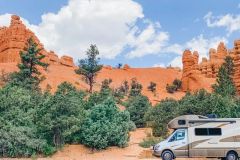 How to Plan an RV Road Trip Through the Southwest U.S.Learn how to plan an RV road trip through the Southwest U.S. with route ideas, camping advice, packing tips, safety planning, and expert travel strategies for an unforgettable adventure.
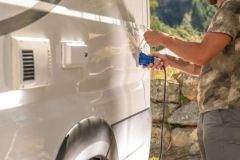 RV Essentials You Should Always Keep OnboardDiscover the RV essentials you should always keep onboard for safer and more comfortable trips. Learn which tools, supplies, and accessories every RV owner needs before hitting the road.
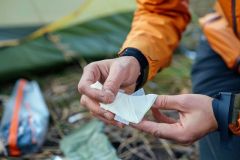 Essential First Aid Tips Every Camper Should KnowLearn essential first aid tips every camper should know, including injury prevention, emergency response steps, first aid kit preparation, and outdoor safety advice for every adventure.
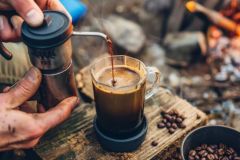 Campfire Coffee Brewing Methods Every Camper Should TryDiscover the best Campfire Coffee brewing methods for campers, from classic cowboy coffee to pour-over techniques, with expert tips for making great coffee outdoors.
 How to Maintain Comfort While Dry Camping in Cold WeatherLearn how to maintain comfort while dry camping in cold weather with practical insulation tips, gear strategies, real camping stories, and expert advice for safe winter outdoor adventures.
 Campfire Desserts Beyond S’mores: Easy Outdoor Treat IdeasDiscover creative Campfire Desserts That Go Beyond S’mores with easy, fun, and delicious outdoor recipes perfect for family camping nights and unforgettable fire pit moments.