What this guide helps you decide
Use the article to prepare questions, compare public listing details, and avoid choosing a campground from one headline, rating, or search result alone.
- 1. Why Packing Light Matters on a Multi-Day Camping Trip
- 2. Gear Selection: Essentials vs. Extras
- 3. Clothing Strategies for Lightweight Travel
- Confirm seasonal access, amenities, fees, reservation rules, and availability with the campground.
- Compare more than one listing when the decision affects safety, cost, or travel time.
- Use public ratings and photos as signals, not guarantees.
- why-packing-light-matters-on-a-multi-day-camping-trip
- gear-selection-essentials-vs-extras
- clothing-strategies-for-lightweight-travel
- food-planning-and-efficient-packing
- real-life-example-of-lightweight-camping-success
1. Why Packing Light Matters on a Multi-Day Camping Trip
Packing light isn’t just about saving space—it’s about comfort, mobility, and efficiency. On a multi-day camping trip, every ounce counts. Whether you’re hiking into a remote site or simply managing your gear over several days, minimizing your load means less fatigue and more enjoyment.
Smart packing also reduces your risk of injury, keeps your setup and breakdown times quick, and allows you to be more adaptable in unexpected weather or terrain changes. In short: lighter means better.
2. Gear Selection: Essentials vs. Extras
The golden rule? Prioritize multi-use items. A lightweight stove like the MSR PocketRocket can boil water and cook meals, while doubling as a heat source in emergencies. Instead of carrying a bulky lantern, consider a headlamp with extra batteries. Do you need both a frying pan and a pot, or could you manage with one titanium cup?
Think modular and compact. Collapsible water bottles, compression sleeping bags, and packable down jackets are staples for efficient campers. And don’t forget to scale your gear to the trip—what’s necessary for three days might not be needed for just one overnight.
If you're unsure where to start or want expertly-reviewed items, check out options curated by Camp Spotter. Their listings focus on performance-tested, minimalist gear perfect for multi-day adventures.
3. Clothing Strategies for Lightweight Travel
Layering is key. Instead of heavy hoodies or duplicate outfits, pack technical layers that can be combined. Merino wool base layers, a lightweight fleece, and a weatherproof shell cover nearly every scenario. Also, prioritize quick-drying materials so you can rinse and reuse.
Plan your wardrobe based on functionality, not fashion. One pair of hiking pants, a convertible shirt, a set of socks for each day plus a backup, and camp shoes are often enough. Pro tip: always pack a pair of dry, clean clothes in a waterproof bag just for sleeping.
4. Food Planning and Efficient Packing
Freeze-dried meals are a backpacker’s best friend—they’re compact, lightweight, and require only hot water. Supplement with calorie-dense snacks like trail mix, nut butter packets, and jerky. Opt for foods that don't spoil quickly and don't need refrigeration.
Organize meals by day in labeled zip-lock bags. This keeps your pack organized and prevents over-packing. Use one small pot or bowl, a spork, and a collapsible cup to cover all eating needs. Keep your trash minimal with reusable containers or compostable wraps.
5. Real-Life Example of Lightweight Camping Success
In 2022, outdoor enthusiast Taylor Reed completed a 5-day loop through Glacier National Park with only an 18-pound base pack. Her trick? She packed freeze-dried meals, wore the same pair of durable trail pants all week, and slept in a featherlight bivvy bag instead of a full tent. Her experience proves that you don’t need a 40-pound pack to have a complete, comfortable trip.
Taylor sourced most of her equipment through Camp Spotter, where minimalist outdoor gear is reviewed and rated by real hikers. Her favorite find? A 9oz sleeping pad that felt like sleeping on a cloud without taking up half her pack.
The takeaway? Light packing isn’t just doable—it’s transformational.
Related Camping Guides
Keep reading if you are comparing destinations, amenities, access, reservation questions, or listing quality.
 How to Plan an RV Road Trip Through the Southwest U.S.Learn how to plan an RV road trip through the Southwest U.S. with route ideas, camping advice, packing tips, safety planning, and expert travel strategies for an unforgettable adventure.
 RV Essentials You Should Always Keep OnboardDiscover the RV essentials you should always keep onboard for safer and more comfortable trips. Learn which tools, supplies, and accessories every RV owner needs before hitting the road.
 Essential First Aid Tips Every Camper Should KnowLearn essential first aid tips every camper should know, including injury prevention, emergency response steps, first aid kit preparation, and outdoor safety advice for every adventure.
 Campfire Coffee Brewing Methods Every Camper Should TryDiscover the best Campfire Coffee brewing methods for campers, from classic cowboy coffee to pour-over techniques, with expert tips for making great coffee outdoors.
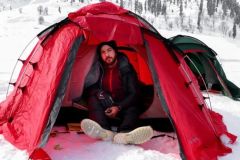 How to Maintain Comfort While Dry Camping in Cold WeatherLearn how to maintain comfort while dry camping in cold weather with practical insulation tips, gear strategies, real camping stories, and expert advice for safe winter outdoor adventures.
 Campfire Desserts Beyond S’mores: Easy Outdoor Treat IdeasDiscover creative Campfire Desserts That Go Beyond S’mores with easy, fun, and delicious outdoor recipes perfect for family camping nights and unforgettable fire pit moments.