What this guide helps you decide
Use the article to prepare questions, compare public listing details, and avoid choosing a campground from one headline, rating, or search result alone.
- 1. Understanding Wildlife Behavior: The First Step to Safety
- 2. Smart Campground Setup to Deter Wildlife Intrusions
- 3. Food Storage and Cooking Habits to Stay Invisible to Wildlife
- Confirm seasonal access, amenities, fees, reservation rules, and availability with the campground.
- Compare more than one listing when the decision affects safety, cost, or travel time.
- Use public ratings and photos as signals, not guarantees.
- tips-for-staying-safe-from-wildlife-while-camping-understanding-behavior
- tips-for-staying-safe-from-wildlife-while-camping-campground-setup
- tips-for-staying-safe-from-wildlife-while-camping-food-storage
- tips-for-staying-safe-from-wildlife-while-camping-night-safety
- tips-for-staying-safe-from-wildlife-while-camping-real-encounters
1. Understanding Wildlife Behavior: The First Step to Safety
Before diving into strategies, it’s essential to understand why animals approach campsites in the first place. Most wildlife, from raccoons to bears, are motivated by food or curiosity—not aggression. Recognizing this helps demystify their actions and prepares campers to act calmly and smartly.
1.1 Animal routines and proximity
Wildlife activity varies by region and time of day. For example, in parts of Colorado, black bears have adapted to human presence and may become active at dusk. Knowing what species frequent your camping area is crucial. Park rangers or platforms like Camp Spotter can offer updated safety info.
1.2 Avoid anthropomorphizing
Wild animals aren't pets. Even if they seem calm, they can react unpredictably. A camper once tried to feed a deer in Yosemite and got kicked when the animal felt cornered. Respecting distance is the best policy.
2. Smart Campground Setup to Deter Wildlife Intrusions
2.1 Choose location wisely
Avoid setting up near game trails, berry bushes, or standing water—all common wildlife routes. Flat, open areas with good visibility are best.
2.2 Keep tent and food zones separate
Create a triangle with your cooking area, food storage, and tent each at least 100 feet apart. This reduces scent transfer and deters animals from approaching where you sleep.
2.3 Use scent-masking practices
Avoid wearing strong perfumes or lotions, and seal trash in scent-proof bags. Hang food using bear hangs or place it in bear-proof canisters provided by many national parks.
3. Food Storage and Cooking Habits to Stay Invisible to Wildlife
3.1 Cook away from the tent
Many novice campers cook right next to their tents—an invitation to night visitors. Always prepare meals far from your sleeping area and clean thoroughly afterward.
3.2 Pack out all food waste
Never bury food scraps. Even biodegradable items attract animals and teach them to associate campsites with feeding opportunities.
3.3 Invest in odor-proof containers
From Ursacks to high-quality dry bags, specialized containers reduce scent leakage and discourage nocturnal guests. Visit Camp Spotter to explore gear that suits your needs and regional threats.
4. Nighttime Safety Practices to Prevent Dangerous Interactions
4.1 Lock food away at sundown
Before dark, ensure all edibles, trash, and scented items are secured. Many animals are most active between dusk and dawn.
4.2 Keep lights and noise handy
A headlamp and whistle can startle away many animals, especially if you hear rustling. But avoid constant noise—wildlife prefers quiet, and overuse might attract curious creatures.
4.3 Avoid solo restroom trips
If you must leave the tent at night, go with a partner and a flashlight. In Montana, a camper once surprised a raccoon near the trash bins and got scratched. Simple visibility would’ve prevented it.
5. Real Wildlife Encounters: Stories and What They Teach
In 2022, a family camping in Oregon left a granola bar in their daypack near the tent. A black bear dragged the bag off and tore through it just 20 feet from the sleeping kids. Luckily, no one was hurt—but the takeaway was clear: even small items matter.
Another hiker in Wyoming told a story on a forum about hearing a mountain lion outside his tent. Because he had used scent-proof bags and packed up his cooking station properly, the animal lost interest and left.
Wildlife safety while camping is about layered protection. It’s not about fear—it’s about smart preparation. If you’re just starting out or want to refine your gear setup, browse options on Camp Spotter to find curated equipment tested in real wilderness conditions.
Related Camping Guides
Keep reading if you are comparing destinations, amenities, access, reservation questions, or listing quality.
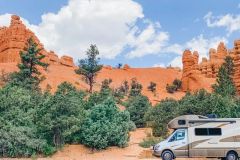 How to Plan an RV Road Trip Through the Southwest U.S.Learn how to plan an RV road trip through the Southwest U.S. with route ideas, camping advice, packing tips, safety planning, and expert travel strategies for an unforgettable adventure.
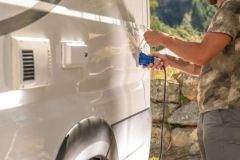 RV Essentials You Should Always Keep OnboardDiscover the RV essentials you should always keep onboard for safer and more comfortable trips. Learn which tools, supplies, and accessories every RV owner needs before hitting the road.
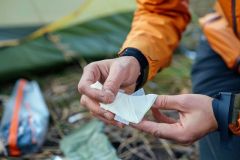 Essential First Aid Tips Every Camper Should KnowLearn essential first aid tips every camper should know, including injury prevention, emergency response steps, first aid kit preparation, and outdoor safety advice for every adventure.
 Campfire Coffee Brewing Methods Every Camper Should TryDiscover the best Campfire Coffee brewing methods for campers, from classic cowboy coffee to pour-over techniques, with expert tips for making great coffee outdoors.
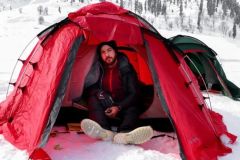 How to Maintain Comfort While Dry Camping in Cold WeatherLearn how to maintain comfort while dry camping in cold weather with practical insulation tips, gear strategies, real camping stories, and expert advice for safe winter outdoor adventures.
 Campfire Desserts Beyond S’mores: Easy Outdoor Treat IdeasDiscover creative Campfire Desserts That Go Beyond S’mores with easy, fun, and delicious outdoor recipes perfect for family camping nights and unforgettable fire pit moments.