What this guide helps you decide
Use the article to prepare questions, compare public listing details, and avoid choosing a campground from one headline, rating, or search result alone.
- 1. Why Cleaning Up Your Campfire Matters
- 2. Preparing for Safe and Easy Campfire Cleanup
- 3. How to Clean Up After Your Campfire
- Confirm seasonal access, amenities, fees, reservation rules, and availability with the campground.
- Compare more than one listing when the decision affects safety, cost, or travel time.
- Use public ratings and photos as signals, not guarantees.
- why-cleaning-up-your-campfire-matters
- preparing-for-safe-and-easy-campfire-cleanup
- how-to-clean-up-after-your-campfire
- common-mistakes-to-avoid-after-a-campfire
- real-campfire-cleanup-experiences
- responsible-campers-leave-no-trace
1. Why Cleaning Up Your Campfire Matters
Campfires are part of the magic of camping—whether it’s roasting marshmallows under the stars or warming up on a cold morning. But when the fire dies down, what happens next is just as important. Knowing how to clean up after your campfire is essential to prevent wildfires, protect wildlife, and keep nature pristine for the next adventurer.
Every year, countless forest fires are started from smoldering ashes left behind by careless campers. Cleanup is more than courtesy—it’s a responsibility. And with the right method, it’s easier than you think.
2. Preparing for Safe and Easy Campfire Cleanup
2.1 Choose the Right Fire Ring
If you're at a designated campsite, always use the provided fire ring. For backcountry adventures, build your fire on durable surfaces like gravel or sand, away from dry brush. This will make cleaning up easier and safer later on.
2.2 Bring Proper Tools
Before even lighting a match, make sure you have:
- Plenty of water (a few gallons if possible)
- A small shovel or trowel
- A metal container or bucket for ashes if needed
These basics will help you stay in control from ignition to extinguishing.
2.3 Understand Local Regulations
Some national parks and public lands have strict fire bans or cleanup protocols. Always check posted signs or consult with rangers. Trust us, you don’t want your trip to end with a citation—or worse, a wildfire.
3. How to Clean Up After Your Campfire
3.1 Drown, Stir, Drown Again
Once your fire has burned down to ashes:
- Pour water generously over the embers. Use enough to saturate the entire fire ring.
- Stir the ashes with a stick or shovel. This exposes hidden hot spots.
- Repeat the water pour and stir until everything is cool to the touch.
If you don’t hear hissing or feel heat, your fire is dead out—exactly what you want.
3.2 Scatter Cold Ashes (Only If Allowed)
In some wilderness areas, it’s appropriate to scatter cold ashes over a wide area, especially in Leave No Trace zones. This prevents buildup in popular campsites. Always double-check if this is acceptable in your location.
3.3 Restore the Site
If you built a temporary fire pit, dismantle it. Spread out leftover rocks, cover the site with natural debris like leaves or pine needles, and brush away signs of human activity. The goal is to leave the space looking like you were never there.
4. Common Mistakes to Avoid After a Campfire
4.1 Burying Hot Coals
This seems like a solution, but buried embers can smolder for hours and later reignite—especially if wind exposes them. Never bury a fire. Always douse and stir.
4.2 Assuming Ash Means Cold
Gray or white ash looks harmless but can still hide dangerously hot coals underneath. Always test with the back of your hand and pour more water than you think you need.
4.3 Leaving Trash in the Fire Ring
Some people believe tossing in aluminum cans or plastic bottles is an acceptable disposal method. It’s not. Not only do these materials release toxins, but they rarely burn completely. Always pack out your trash—even if you think it’s harmless.
5. Real Campfire Cleanup Experiences
Jason, a solo camper from Oregon, shared how his fire nearly flared back up after a gust of wind exposed a barely-glowing ember the next morning. “It looked cold, but it wasn’t. That was the moment I realized how quickly things can go wrong,” he says.
On the flip side, a group of scouts in Utah was commended by a ranger for their “textbook” cleanup, which included hauling out wet ashes in a metal container when no water source was nearby. Their awareness not only protected the area—it inspired nearby campers to do the same.
For reliable gear to help with responsible fire management, Camp Spotter offers a curated selection of fire tools, collapsible buckets, and cleanup kits recommended by outdoor professionals.
6. Responsible Campers Leave No Trace
6.1 It’s About More Than Fire
Learning how to clean up after your campfire is one part of a bigger philosophy: Leave No Trace. This principle encourages everyone to minimize their impact on nature, not just for safety, but out of respect for the wilderness and future visitors.
6.2 Teach Others the Right Way
If you're camping with friends or introducing kids to the outdoors, take the time to explain proper fire cleanup. These small moments build a culture of stewardship—and may prevent serious damage.
6.3 Plan Ahead, Even for Cleanup
From bringing enough water to knowing park regulations, proactive thinking turns an average camper into a responsible one. And that’s the kind of adventurer who makes the outdoors better for everyone.
The best adventures don’t just happen—they're protected by those who care. For gear, guides, and campsite tips that prioritize both adventure and responsibility, check out Camp Spotter. Your next great experience should start and end with respect for the wild.
Related Camping Guides
Keep reading if you are comparing destinations, amenities, access, reservation questions, or listing quality.
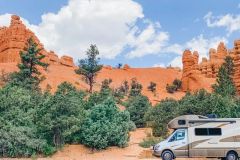 How to Plan an RV Road Trip Through the Southwest U.S.Learn how to plan an RV road trip through the Southwest U.S. with route ideas, camping advice, packing tips, safety planning, and expert travel strategies for an unforgettable adventure.
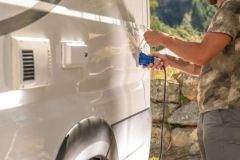 RV Essentials You Should Always Keep OnboardDiscover the RV essentials you should always keep onboard for safer and more comfortable trips. Learn which tools, supplies, and accessories every RV owner needs before hitting the road.
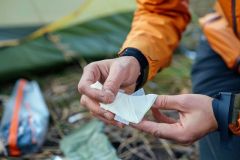 Essential First Aid Tips Every Camper Should KnowLearn essential first aid tips every camper should know, including injury prevention, emergency response steps, first aid kit preparation, and outdoor safety advice for every adventure.
 Campfire Coffee Brewing Methods Every Camper Should TryDiscover the best Campfire Coffee brewing methods for campers, from classic cowboy coffee to pour-over techniques, with expert tips for making great coffee outdoors.
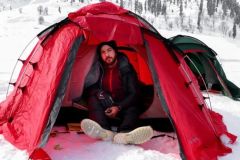 How to Maintain Comfort While Dry Camping in Cold WeatherLearn how to maintain comfort while dry camping in cold weather with practical insulation tips, gear strategies, real camping stories, and expert advice for safe winter outdoor adventures.
 Campfire Desserts Beyond S’mores: Easy Outdoor Treat IdeasDiscover creative Campfire Desserts That Go Beyond S’mores with easy, fun, and delicious outdoor recipes perfect for family camping nights and unforgettable fire pit moments.