What this guide helps you decide
Use the article to prepare questions, compare public listing details, and avoid choosing a campground from one headline, rating, or search result alone.
- 1 - Why cold-weather camping gear matters for safety and comfort
- 2 - Choosing the best camping blankets for cold weather
- 3 - Selecting sleeping pads designed for freezing temperatures
- Confirm seasonal access, amenities, fees, reservation rules, and availability with the campground.
- Compare more than one listing when the decision affects safety, cost, or travel time.
- Use public ratings and photos as signals, not guarantees.
- 1 - Why cold-weather camping gear matters for safety and comfort
- 2 - Choosing the best camping blankets for cold weather
- 3 - Selecting sleeping pads designed for freezing temperatures
- 4 - How blankets and sleeping pads work together
- 5 - Real-life camping experience in the Rockies
- 6 - Expert tips on staying warm during overnight trips
- 7 - Common mistakes campers make in cold-weather conditions
- 8 - Why Camp Spotter is the go-to resource for outdoor gear
1 - Why cold-weather camping gear matters for safety and comfort
When planning an outdoor adventure, understanding the role of the best camping blankets and sleeping pads for cold weather can be the difference between an enjoyable trip and a miserable night. Cold weather quickly drains body heat, and without proper insulation, even experienced campers face risks such as hypothermia or disrupted sleep. Investing in the right gear ensures warmth, safety, and the ability to wake up ready for the next day’s hike or climb.
2 - Choosing the best camping blankets for cold weather
High-quality camping blankets are designed to trap warmth while remaining lightweight and packable. Wool blankets remain a classic, offering natural insulation and moisture resistance. Modern synthetic materials, like insulated polyester or reflective thermal blankets, provide excellent warmth-to-weight ratios and are easy to carry. For campers who want comfort similar to home, quilted down blankets are a top choice—especially when layered over a sleeping bag. Choosing the right blanket often comes down to striking a balance between weight, durability, and temperature rating.
3 - Selecting sleeping pads designed for freezing temperatures
A sleeping pad is not just about comfort—it’s a crucial layer of insulation between you and the frozen ground. Cold earth can steal heat faster than cold air, making insulated pads essential. Foam pads remain reliable and affordable, while inflatable pads with high R-values (4.5 or higher) offer advanced warmth for winter conditions. Experienced campers often carry both: a closed-cell foam pad for durability and an insulated inflatable pad for added warmth. This combination ensures protection against conductive heat loss.
4 - How blankets and sleeping pads work together
The best results come from pairing blankets and sleeping pads strategically. A thick, insulated pad blocks ground chill, while a blanket traps body heat from above. Layering techniques also matter: for example, placing a down camping blanket inside a sleeping bag creates a microclimate that boosts warmth significantly. Campers in extreme cold often use reflective blankets underneath their pads to bounce heat upward, turning their tent into a warmer, more livable space. These strategies allow gear to complement one another rather than work separately.
5 - Real-life camping experience in the Rockies
A recent story from Colorado highlights the importance of this gear. A group of hikers underestimated the sudden temperature drop in the Rockies and relied only on standard summer sleeping bags. The night dipped below freezing, leaving them shivering until dawn. After upgrading to insulated sleeping pads and down blankets on their next trip, they reported sleeping soundly even as snow fell outside their tent. This experience underscores how the right combination of blankets and pads transforms a potentially dangerous situation into a comfortable adventure.
6 - Expert tips on staying warm during overnight trips
Experts recommend testing gear in moderate conditions before venturing into harsh climates. Wearing thermal base layers, keeping blankets dry, and avoiding air gaps between pad and tent floor all contribute to better warmth. Campers should also remember to eat a warm, carb-heavy meal before bed, as the body’s natural heat production will help blankets and pads work more effectively. For those unsure about where to start, consulting with gear specialists can prevent costly mistakes and ensure safety.
7 - Common mistakes campers make in cold-weather conditions
The most common mistake is assuming that a summer setup will perform in winter conditions. Thin blankets and standard inflatable pads offer little insulation when the temperature drops below freezing. Another error is relying solely on body heat without considering the environment—such as damp ground or wind-chill seeping through tent seams. Campers also often forget to check gear ratings, only realizing too late that their blanket or pad wasn’t built for the temperatures they faced.
8 - Why Camp Spotter is the go-to resource for outdoor gear
For those searching for the best camping blankets and sleeping pads for cold weather, Camp Spotter provides expert reviews, product comparisons, and recommendations tailored to every adventure. Whether you’re a first-time camper or a seasoned backpacker, having the right gear ensures your trip is safe and enjoyable. By relying on trusted resources, you can avoid guesswork and confidently prepare for the challenges of winter camping.
Related Camping Guides
Keep reading if you are comparing destinations, amenities, access, reservation questions, or listing quality.
 How to Plan an RV Road Trip Through the Southwest U.S.Learn how to plan an RV road trip through the Southwest U.S. with route ideas, camping advice, packing tips, safety planning, and expert travel strategies for an unforgettable adventure.
 RV Essentials You Should Always Keep OnboardDiscover the RV essentials you should always keep onboard for safer and more comfortable trips. Learn which tools, supplies, and accessories every RV owner needs before hitting the road.
 Essential First Aid Tips Every Camper Should KnowLearn essential first aid tips every camper should know, including injury prevention, emergency response steps, first aid kit preparation, and outdoor safety advice for every adventure.
 Campfire Coffee Brewing Methods Every Camper Should TryDiscover the best Campfire Coffee brewing methods for campers, from classic cowboy coffee to pour-over techniques, with expert tips for making great coffee outdoors.
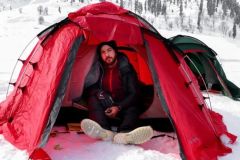 How to Maintain Comfort While Dry Camping in Cold WeatherLearn how to maintain comfort while dry camping in cold weather with practical insulation tips, gear strategies, real camping stories, and expert advice for safe winter outdoor adventures.
 Campfire Desserts Beyond S’mores: Easy Outdoor Treat IdeasDiscover creative Campfire Desserts That Go Beyond S’mores with easy, fun, and delicious outdoor recipes perfect for family camping nights and unforgettable fire pit moments.