What this guide helps you decide
Use the article to prepare questions, compare public listing details, and avoid choosing a campground from one headline, rating, or search result alone.
- 1. Why Camp in Remote Areas?
- 2. Planning Your Remote Camping Trip
- 3. Essential Gear for Remote Camping
- Confirm seasonal access, amenities, fees, reservation rules, and availability with the campground.
- Compare more than one listing when the decision affects safety, cost, or travel time.
- Use public ratings and photos as signals, not guarantees.
- 1. Why Camp in Remote Areas?
- 2. Planning Your Remote Camping Trip
- 3. Essential Gear for Remote Camping
- 4. Safety Practices for Remote Camping
- 5. Dealing with Emergencies
- 6. Resources for Remote Camping
1. Why Camp in Remote Areas?
Camping in remote areas provides an opportunity to disconnect from the fast-paced world and reconnect with nature. For many, it’s a chance to experience solitude, explore untouched landscapes, and immerse themselves in the serenity of the wilderness. However, it also comes with unique challenges and safety concerns that need to be addressed before embarking on such an adventure.
1.1 The Benefits of Remote Camping
One of the main reasons people choose to camp in remote areas is the sense of tranquility and the opportunity to experience nature at its most untouched. Remote camping also offers an escape from crowded campgrounds, providing a more peaceful and personal experience. Additionally, it can be an ideal environment for stargazing, wildlife observation, and photography.
1.2 The Risks of Remote Camping
While remote camping offers many benefits, it comes with certain risks. These include limited access to emergency services, challenging weather conditions, and the potential for dangerous wildlife encounters. Therefore, proper preparation and safety measures are essential to ensure a safe and enjoyable experience.
2. Planning Your Remote Camping Trip
Planning is crucial when camping in remote areas. Proper research and preparation will ensure that you're equipped to handle the challenges and that you can navigate the wilderness safely. Here are some key considerations when planning your trip:
2.1 Research the Area
Before embarking on a remote camping trip, thoroughly research the area you’ll be camping in. Understand the terrain, weather conditions, wildlife, and any potential hazards. Ensure that you have maps, guides, and other resources to help you navigate the area, and know the nearest exit points or emergency services if needed.
2.2 Check the Weather Forecast
Weather in remote areas can be unpredictable, so it’s important to check the weather forecast before your trip. Be prepared for changes in temperature, rain, wind, or even snow, depending on the season and location. Packing for a variety of conditions is always a good idea when venturing into the wilderness.
3. Essential Gear for Remote Camping
Having the right gear is one of the most important factors in ensuring a safe and successful remote camping trip. Here’s a breakdown of the essential gear you should bring:
3.1 Shelter and Sleeping Gear
A reliable tent is essential for shelter in remote areas, especially if you’re camping in harsh weather conditions. Look for a tent designed for the specific environment you’ll be camping in, such as a four-season tent for colder climates. Also, bring a durable sleeping bag rated for the temperatures you might encounter, along with a sleeping pad for insulation.
3.2 Food and Water Supplies
When camping in remote areas, it’s crucial to have enough food and water for the duration of your trip. Pack non-perishable food items that are lightweight and easy to prepare. A portable water filter or purification tablets are also essential for sourcing clean water from natural sources, especially if you’re far from a supply.
3.3 Clothing and Footwear
Dress in layers to regulate your body temperature, and ensure that your clothing is moisture-wicking to keep you dry. Durable hiking boots are a must for remote camping, providing support and protection for your feet on rugged terrain. Don't forget a hat, gloves, and rain gear for unpredictable weather conditions.
4. Safety Practices for Remote Camping
Safety should always be a priority when camping in remote areas. Here are some safety practices to follow:
4.1 Stay on Marked Trails
Whenever possible, stick to marked trails to avoid getting lost. If you plan to venture off the beaten path, carry a GPS device or a compass, and make sure you know how to use them. Always share your planned route and expected return time with someone back home.
4.2 Be Prepared for Wildlife Encounters
Remote areas are home to various wildlife, including bears, wolves, and snakes. Learn about the wildlife in the area before your trip and take steps to minimize the risk of encounters, such as storing food securely and avoiding leaving food scraps around camp.
4.3 Fire Safety
Campfires can provide warmth and light, but they also pose a fire risk, especially in dry conditions. Always follow local guidelines regarding campfires and ensure that your fire is fully extinguished before leaving the site.
5. Dealing with Emergencies
While we hope you won’t need to deal with emergencies, it’s important to be prepared in case something goes wrong. Here’s what you can do:
5.1 Have a First Aid Kit
Bring a well-stocked first aid kit that includes items like bandages, antiseptic wipes, pain relief, and any necessary prescription medications. Make sure you know how to use the items in your kit, especially in the case of an injury or illness in the wilderness.
5.2 Know Emergency Procedures
Familiarize yourself with emergency procedures for the area you’re camping in. Know the nearest emergency contact numbers, the location of the nearest hospital, and the fastest routes to get out of the wilderness if needed.
6. Resources for Remote Camping
To make your remote camping trip safer and more enjoyable, here are some useful resources:
6.1 Online Guides and Maps
Many websites and apps offer detailed information about camping in remote areas, including trail maps, reviews, and safety tips. Popular resources include AllTrails and the National Park Service website for trail information and camping regulations.
6.2 Local Outdoor Stores
Local outdoor stores, such as REI and Cabela’s, often offer expert advice, gear rentals, and product recommendations specifically for remote camping. Visit these stores before your trip to ensure that you’re fully prepared.
By following these tips and being well-prepared, you can enjoy a safe and unforgettable experience when camping in remote areas. For more expert advice, gear, and recommendations, visit [Camp Spotter](https://www.campspotter.com), where you can find everything you need for your next outdoor adventure.
Related Camping Guides
Keep reading if you are comparing destinations, amenities, access, reservation questions, or listing quality.
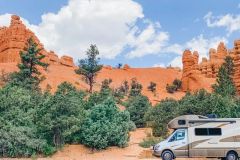 How to Plan an RV Road Trip Through the Southwest U.S.Learn how to plan an RV road trip through the Southwest U.S. with route ideas, camping advice, packing tips, safety planning, and expert travel strategies for an unforgettable adventure.
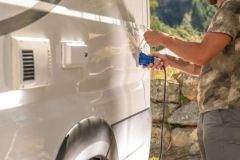 RV Essentials You Should Always Keep OnboardDiscover the RV essentials you should always keep onboard for safer and more comfortable trips. Learn which tools, supplies, and accessories every RV owner needs before hitting the road.
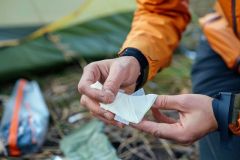 Essential First Aid Tips Every Camper Should KnowLearn essential first aid tips every camper should know, including injury prevention, emergency response steps, first aid kit preparation, and outdoor safety advice for every adventure.
 Campfire Coffee Brewing Methods Every Camper Should TryDiscover the best Campfire Coffee brewing methods for campers, from classic cowboy coffee to pour-over techniques, with expert tips for making great coffee outdoors.
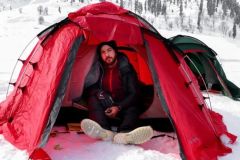 How to Maintain Comfort While Dry Camping in Cold WeatherLearn how to maintain comfort while dry camping in cold weather with practical insulation tips, gear strategies, real camping stories, and expert advice for safe winter outdoor adventures.
 Campfire Desserts Beyond S’mores: Easy Outdoor Treat IdeasDiscover creative Campfire Desserts That Go Beyond S’mores with easy, fun, and delicious outdoor recipes perfect for family camping nights and unforgettable fire pit moments.