What this guide helps you decide
Use the article to prepare questions, compare public listing details, and avoid choosing a campground from one headline, rating, or search result alone.
- 1. Introduction to Camping First Aid
- 2. What Should Be in Your Camping First Aid Kit?
- 3. How to Handle Common Injuries While Camping
- Confirm seasonal access, amenities, fees, reservation rules, and availability with the campground.
- Compare more than one listing when the decision affects safety, cost, or travel time.
- Use public ratings and photos as signals, not guarantees.
1. Introduction to Camping First Aid
Whether you’re heading into the deep wilderness or just setting up camp for a weekend getaway, knowing basic first aid is crucial for ensuring your safety and well-being. Camping is an adventurous and exciting activity, but it comes with its own set of risks, from slips and falls to exposure to the elements. By being prepared and having the right first aid knowledge, you can enjoy your trip with peace of mind.
php-templateCopy code2. What Should Be in Your Camping First Aid Kit?
Before embarking on your camping adventure, it’s essential to pack a well-equipped first aid kit. The key to a successful first aid strategy is preparedness, and a comprehensive kit will ensure you’re ready for most situations. Here’s what you should include in your camping first aid kit:
Basic Medical Supplies
Your kit should include bandages of various sizes, gauze pads, adhesive tape, antiseptic wipes, and cotton swabs. These supplies are crucial for treating minor cuts, scrapes, and abrasions, which are common when camping. Additionally, you should have medical gloves and tweezers for removing splinters or ticks.
Pain Relief and Anti-inflammatory Medications
Having over-the-counter medications like ibuprofen, aspirin, or acetaminophen is a must for relieving pain or reducing swelling from injuries or muscle soreness. These medications can make a huge difference in your comfort during your camping trip.
Allergy and Anti-itch Medications
Outdoor environments can trigger allergic reactions, especially when exposed to plants like poison ivy or insect stings. Be sure to pack antihistamines, like Benadryl, and hydrocortisone cream to help with itching or swelling caused by allergens.
Thermometer and Emergency Numbers
A thermometer is useful for checking if someone has a fever, which can be an indicator of an infection. Additionally, ensure you have a list of emergency contacts and the nearest medical facilities in case you need urgent medical attention.
3. How to Handle Common Injuries While Camping
Injuries can happen at any time, especially in an outdoor environment. Here’s how to handle some of the most common camping injuries:
Scrapes and Cuts
Minor cuts and scrapes are frequent when hiking or gathering firewood. To treat these, clean the wound with antiseptic wipes, apply pressure to stop any bleeding, and cover it with a clean bandage. Ensure that you monitor the injury for signs of infection.
Sprains and Strains
Spraining an ankle or straining a muscle is a common injury in the outdoors, particularly if you’re hiking or participating in physical activities. Rest, ice, compression, and elevation (the R.I.C.E method) are key for reducing swelling and promoting recovery. If the injury seems serious, avoid putting weight on the affected area and seek medical help.
Insect Stings and Bites
Insect bites and stings are common when camping. Use an antihistamine or anti-itch cream to reduce swelling and itching. In case of severe reactions, such as difficulty breathing or swelling around the eyes, seek immediate medical assistance, as these could be signs of an allergic reaction.
4. Dealing with Emergency Cases in the Outdoors
In some situations, a more serious injury or emergency may occur. Here’s what you should do in critical situations:
Heatstroke or Hypothermia
Extreme temperatures can lead to heatstroke or hypothermia. If someone shows signs of heatstroke (e.g., confusion, excessive sweating, high body temperature), move them to a cooler place, hydrate them with cool water, and remove excess clothing. For hypothermia (shivering, confusion), wrap the person in warm blankets and gradually warm them up. Avoid using hot water or direct heat, as this can cause shock.
Severe Bleeding
In case of severe bleeding, apply direct pressure to the wound with a clean cloth. If bleeding continues, elevate the injured area (if possible) and apply more pressure. If the bleeding does not stop, call for emergency help immediately.
5. Additional Tips for Staying Safe While Camping
Aside from having the right first aid knowledge and supplies, here are some additional tips to ensure your safety while camping:
Stay Hydrated
Dehydration is a common issue when camping, especially during physical activities like hiking or setting up camp. Always have plenty of water on hand and drink regularly, even if you don’t feel thirsty. This will help maintain energy levels and prevent heat-related illnesses.
Know Your Limits
Camping can be physically demanding, so it's important to know your limits and avoid overexertion. Don’t push yourself too hard, especially if you’re new to camping or hiking. Take regular breaks and rest when needed.
Be Aware of Wildlife
Wildlife encounters are part of the camping experience, but it's important to stay cautious and respect the animals around you. Store food securely, avoid attracting animals, and know how to handle encounters with wildlife safely.
By following these first aid tips and practicing proper safety measures, you can ensure a safe and enjoyable camping trip. For more camping essentials and gear, visit Camp Spotter for the best recommendations to suit your needs.
Related Camping Guides
Keep reading if you are comparing destinations, amenities, access, reservation questions, or listing quality.
 How to Plan an RV Road Trip Through the Southwest U.S.Learn how to plan an RV road trip through the Southwest U.S. with route ideas, camping advice, packing tips, safety planning, and expert travel strategies for an unforgettable adventure.
 RV Essentials You Should Always Keep OnboardDiscover the RV essentials you should always keep onboard for safer and more comfortable trips. Learn which tools, supplies, and accessories every RV owner needs before hitting the road.
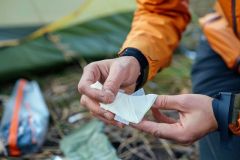 Essential First Aid Tips Every Camper Should KnowLearn essential first aid tips every camper should know, including injury prevention, emergency response steps, first aid kit preparation, and outdoor safety advice for every adventure.
 Campfire Coffee Brewing Methods Every Camper Should TryDiscover the best Campfire Coffee brewing methods for campers, from classic cowboy coffee to pour-over techniques, with expert tips for making great coffee outdoors.
 How to Maintain Comfort While Dry Camping in Cold WeatherLearn how to maintain comfort while dry camping in cold weather with practical insulation tips, gear strategies, real camping stories, and expert advice for safe winter outdoor adventures.
 Campfire Desserts Beyond S’mores: Easy Outdoor Treat IdeasDiscover creative Campfire Desserts That Go Beyond S’mores with easy, fun, and delicious outdoor recipes perfect for family camping nights and unforgettable fire pit moments.