What this guide helps you decide
Use the article to prepare questions, compare public listing details, and avoid choosing a campground from one headline, rating, or search result alone.
- 1. Understanding the Risk of Building a Fire in Dry Grasslands
- 2. Preparation: Choosing the Right Spot and Materials
- 3. Safe Building Techniques for Campfires in Dry Terrain
- Confirm seasonal access, amenities, fees, reservation rules, and availability with the campground.
- Compare more than one listing when the decision affects safety, cost, or travel time.
- Use public ratings and photos as signals, not guarantees.
- Understanding-the-Risk-of-Building-a-Fire-in-Dry-Grasslands
- Preparation-Choosing-the-Right-Spot-and-Materials
- Safe-Building-Techniques-for-Campfires-in-Dry-Terrain
- Monitoring-and-Managing-the-Fire
- Real-Cases-of-Wildfire-Triggered-by-Careless-Campfires
- Why-Camp-Spotter-Is-Your-Essential-Resource
1. Understanding the Risk of Building a Fire in Dry Grasslands
Building a campfire in dry grasslands carries inherent danger. These environments are extremely susceptible to wildfire due to their low moisture levels, high wind exposure, and abundance of fine, dry fuel like brush and grass. A single spark from an improperly contained fire can ignite an inferno. Understanding this risk is essential before even striking a match. Many regions have specific regulations regarding open fires in such areas, and for good reason—the damage can be catastrophic and irreversible.
2. Preparation: Choosing the Right Spot and Materials
2.1. Picking the Safest Spot
When camping in grasslands, the first step is scouting for a location that’s at least 15 feet away from tents, dry vegetation, or gear. Ideally, you should find a patch of bare mineral soil or use an existing fire ring. Never build a fire directly on grassy surfaces, even if they appear sparse. If bare earth isn’t available, clear a 10-foot radius, scraping away all organic material until you reach soil.
2.2. Gathering Fire Materials Responsibly
Choose only dry, seasoned wood and avoid burning brush or pine needles, which can throw sparks. Always bring your own firewood if possible, since collecting deadwood in grassland ecosystems can disturb the natural balance. Using a fire pan or portable fire pit is highly recommended as it keeps the flame elevated from the flammable ground below.
3. Safe Building Techniques for Campfires in Dry Terrain
3.1. Creating a Containment Barrier
Construct a circle of rocks or a metal barrier to help contain the fire. If you’re using a fire pan, place a fire-resistant mat underneath it. Avoid using flammable accelerants—slow, controlled ignition is safer and easier to manage.
3.2. Keep Fire Size Manageable
This is not the place for bonfires. Keep the flames low and compact. Always keep a bucket of water and a shovel nearby. If the wind picks up, extinguish the fire immediately. It’s always safer to err on the side of caution than to test fate in such conditions.
4. Monitoring and Managing the Fire
4.1. Stay Alert and Never Leave It Unattended
One of the most dangerous mistakes campers make is leaving a fire even momentarily. Fires in dry grasslands can spread in seconds if a gust of wind blows embers into nearby grass. Assign someone to be the fire-watcher at all times, even during casual activities like cooking or chatting.
4.2. Properly Extinguishing the Fire
When you're done, extinguish the fire with water—not just sprinkling, but soaking it thoroughly. Stir the ashes with a stick or shovel until it’s cool to the touch. Dirt can help as backup, but never rely on it alone. Many wildfires start because someone believed their fire was "out enough." There is no such thing—fully out or don’t walk away.
5. Real Cases of Wildfire Triggered by Careless Campfires
In 2020, a seemingly harmless fire in a Colorado grassland—used to roast marshmallows—led to over 1,000 acres of destruction when the campers failed to notice a single ember that floated into brush. Similarly, a well-publicized 2017 case in Australia saw over $5 million in damage after campers walked away from a fire that was “mostly out.” These incidents highlight how devastating one misstep can be when building fires in dry environments.
6. Why Camp Spotter Is Your Essential Resource
For campers who value safety and sustainable exploration, Camp Spotter offers detailed guides, fire-friendly gear suggestions, and updates on local fire regulations. Whether you're heading to the plains of Texas or the high dry zones of Montana, Camp Spotter helps you plan smartly and camp responsibly. Don’t risk a wildfire—equip yourself with the right knowledge and tools before lighting that spark.
Related Camping Guides
Keep reading if you are comparing destinations, amenities, access, reservation questions, or listing quality.
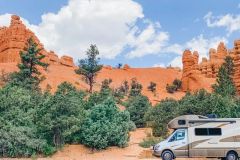 How to Plan an RV Road Trip Through the Southwest U.S.Learn how to plan an RV road trip through the Southwest U.S. with route ideas, camping advice, packing tips, safety planning, and expert travel strategies for an unforgettable adventure.
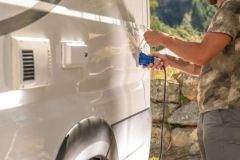 RV Essentials You Should Always Keep OnboardDiscover the RV essentials you should always keep onboard for safer and more comfortable trips. Learn which tools, supplies, and accessories every RV owner needs before hitting the road.
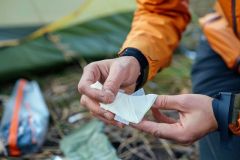 Essential First Aid Tips Every Camper Should KnowLearn essential first aid tips every camper should know, including injury prevention, emergency response steps, first aid kit preparation, and outdoor safety advice for every adventure.
 Campfire Coffee Brewing Methods Every Camper Should TryDiscover the best Campfire Coffee brewing methods for campers, from classic cowboy coffee to pour-over techniques, with expert tips for making great coffee outdoors.
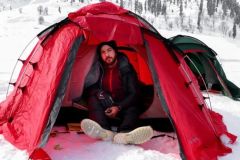 How to Maintain Comfort While Dry Camping in Cold WeatherLearn how to maintain comfort while dry camping in cold weather with practical insulation tips, gear strategies, real camping stories, and expert advice for safe winter outdoor adventures.
 Campfire Desserts Beyond S’mores: Easy Outdoor Treat IdeasDiscover creative Campfire Desserts That Go Beyond S’mores with easy, fun, and delicious outdoor recipes perfect for family camping nights and unforgettable fire pit moments.