What this guide helps you decide
Use the article to prepare questions, compare public listing details, and avoid choosing a campground from one headline, rating, or search result alone.
- 1. Why Rodents Are Drawn to Campsites
- 2. How Campfire Smoke Acts as a Natural Repellent
- 3. Best Practices for Using Smoke Effectively
- Confirm seasonal access, amenities, fees, reservation rules, and availability with the campground.
- Compare more than one listing when the decision affects safety, cost, or travel time.
- Use public ratings and photos as signals, not guarantees.
- why-rodents-are-drawn-to-campsites #WhyRodentsAreDrawnToCampsites
- how-campfire-smoke-acts-as-a-natural-repellent #HowCampfireSmokeActsAsANaturalRepellent
- best-practices-for-using-smoke-effectively #BestPracticesForUsingSmokeEffectively
- wood-types-that-enhance-repellent-effects #WoodTypesThatEnhanceRepellentEffects
- real-stories-and-camper-experiences #RealStoriesAndCamperExperiences
- gear-and-tips-from-camp-spotter #GearAndTipsFromCampSpotter
1. Why Rodents Are Drawn to Campsites
1.1 Rodents, especially mice and pack rats, are notorious for showing up where humans settle—even temporarily. The warmth of a fire, bits of food, and shelter options like tents or gear bags make your cozy site an unexpected rodent paradise.
1.2 Many campers underestimate just how persistent these critters can be. They’re not just after crumbs; they chew through backpacks, car wiring, and food containers. That’s why prevention—especially passive forms like smoke—is crucial.
2. How Campfire Smoke Acts as a Natural Repellent
2.1 Campfire smoke works on two levels: scent and visibility. Rodents have incredibly sensitive noses and respiratory systems, making smoke unpleasant, even dangerous for them.
2.2 The scent masks human and food odors, which helps prevent attracting pests. Simultaneously, the smoke creates a physical barrier that rodents instinctively avoid. Unlike traps or poisons, it’s a passive, low-risk deterrent—perfect for ethical, sustainable campers.
2.3 If you’re moving between campsites or backpacking in remote areas, this is one of the few tools that’s both accessible and field-tested by generations of outdoor enthusiasts.
3. Best Practices for Using Smoke Effectively
3.1 First, maintain a low and steady fire—not just for warmth and cooking, but to keep smoke consistent through dusk and early evening when rodents are most active.
3.2 Use a fire pit or contained ring and avoid creating plumes that blow directly into tents. Instead, position the smoke to drift across the perimeter of your sleeping area or gear pile.
3.3 You can enhance the effect by hanging worn clothing or food packs near the fire’s updraft—this pulls the scent masking smoke across objects that might otherwise attract rodents.
4. Wood Types That Enhance Repellent Effects
4.1 Not all wood is created equal when it comes to pest repelling properties. Aromatic hardwoods like cedar, juniper, and pine emit natural oils that rodents find especially irritating.
4.2 If you're camping in a region where this type of wood is available or can be brought safely (check firewood transport rules), prioritize it. Adding a handful of pine needles or cedar chips to your fire intermittently can boost the barrier effect.
4.3 Some experienced campers also toss in dried sage or rosemary—herbs that not only smell great to humans but deter pests including rodents, ticks, and mosquitos.
5. Real Stories and Camper Experiences
5.1 One Utah-based hiker recalled how her food sack was untouched for two nights thanks to a continuous smoky fire built with juniper wood—despite signs of mice tracks nearby. She credited the constant haze for masking the scent of peanut butter and oats.
5.2 On a popular camping forum, another user described testing smoke effectiveness by comparing two tents—one next to the fire, one farther out. The farther tent had chewed-through corners and missing snacks, while the one near the smoke was left alone.
5.3 These anecdotes, though not scientific, are part of a growing awareness among campers: natural pest control doesn’t have to mean chemicals or traps.
6. Gear and Tips from Camp Spotter
6.1 While smoke is your first line of defense, combining it with smart storage and gear can fully rodent-proof your site. Think: elevated food hangs, hard-sided bear-proof containers, and odor-blocking bags.
6.2 At Camp Spotter, we recommend kits designed specifically for dry climate camping—gear that won't melt, warp, or overheat under smoky conditions. Our curated list includes smoke-safe fire starters and eco-friendly firewood bundles.
6.3 Don’t leave your campsite security up to chance. Camp Spotter helps you pair classic strategies like fire smoke with modern tools that fit your style and budget.
Related Camping Guides
Keep reading if you are comparing destinations, amenities, access, reservation questions, or listing quality.
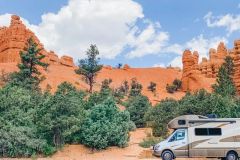 How to Plan an RV Road Trip Through the Southwest U.S.Learn how to plan an RV road trip through the Southwest U.S. with route ideas, camping advice, packing tips, safety planning, and expert travel strategies for an unforgettable adventure.
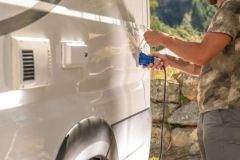 RV Essentials You Should Always Keep OnboardDiscover the RV essentials you should always keep onboard for safer and more comfortable trips. Learn which tools, supplies, and accessories every RV owner needs before hitting the road.
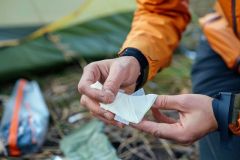 Essential First Aid Tips Every Camper Should KnowLearn essential first aid tips every camper should know, including injury prevention, emergency response steps, first aid kit preparation, and outdoor safety advice for every adventure.
 Campfire Coffee Brewing Methods Every Camper Should TryDiscover the best Campfire Coffee brewing methods for campers, from classic cowboy coffee to pour-over techniques, with expert tips for making great coffee outdoors.
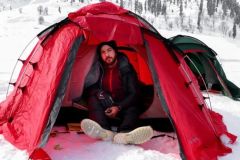 How to Maintain Comfort While Dry Camping in Cold WeatherLearn how to maintain comfort while dry camping in cold weather with practical insulation tips, gear strategies, real camping stories, and expert advice for safe winter outdoor adventures.
 Campfire Desserts Beyond S’mores: Easy Outdoor Treat IdeasDiscover creative Campfire Desserts That Go Beyond S’mores with easy, fun, and delicious outdoor recipes perfect for family camping nights and unforgettable fire pit moments.