What this guide helps you decide
Use the article to prepare questions, compare public listing details, and avoid choosing a campground from one headline, rating, or search result alone.
- 1. Understanding Fire Structure for Beginners
- 2. Essential Tools and Materials
- 3. Step-by-Step Guide to Lighting Your First Campfire
- Confirm seasonal access, amenities, fees, reservation rules, and availability with the campground.
- Compare more than one listing when the decision affects safety, cost, or travel time.
- Use public ratings and photos as signals, not guarantees.
- campfire-lighting-techniques-for-beginners-structure
- campfire-lighting-techniques-for-beginners-materials-tools
- campfire-lighting-techniques-for-beginners-step-by-step
- campfire-lighting-techniques-for-beginners-camp-stories
- campfire-lighting-techniques-for-beginners-safety-tips
1. Understanding Fire Structure for Beginners
Before striking your first match, it’s essential to grasp the basic structure of a successful campfire. Every well-lit fire is built with three components: tinder, kindling, and fuel wood. These elements work in layers, and when stacked right, they naturally help your flame grow from a spark into a steady, warming blaze.
1.1 The Teepee, Log Cabin, and Lean-To Techniques
Beginner campers often find the teepee method easiest. It mimics natural airflow by allowing oxygen to feed the flame from the base while encouraging the fire to rise. The log cabin offers stability and a slower burn, ideal for longer gatherings. The lean-to method excels in windy or damp conditions. For each type, balance and spacing are key. Try experimenting at home with a small fire pit to get a feel before your next trip.
2. Essential Tools and Materials
Forget the lighter fluid—real campfire confidence starts with understanding your gear. A beginner should carry:
2.1 Tinder: Dry grass, cotton balls with petroleum jelly, or dryer lint
2.2 Kindling: Small twigs, bark shavings, or thin pine strips
2.3 Firestarters: Waterproof matches, a butane lighter, or a ferro rod
2.4 Fuel wood: Dry logs split into small, medium, and large sections
For added ease, many campers now use compact fire starter kits. If you're unsure what to buy, Camp Spotter has handpicked beginner-friendly kits that come with foolproof materials and instructions.
3. Step-by-Step Guide to Lighting Your First Campfire
Let’s walk through your first fire, step by step:
3.1 Clear your fire pit area of dry brush and debris.
3.2 Place your tinder in the center. Avoid overpacking.
3.3 Build your structure: Teepee is best for new learners.
3.4 Light the tinder and gently blow at the base if needed.
3.5 Gradually add more kindling as the flame strengthens.
3.6 Finally, add small logs and let the fire catch before adding larger fuel wood.
Don't panic if it doesn’t catch immediately—stay calm, rearrange your kindling, and try again. Fire-building is a skill built through trial and error. First-time camper Maya from Utah recalls how it took her three tries before the flame stayed lit—but when it finally did, the reward was "pure magic under the stars."
4. Real Campfire Stories from Beginners
Nothing beats experience. We spoke with a few beginner campers who shared their early attempts—and missteps—with fire building.
4.1 Jamie from Oregon shared that she used damp twigs and spent an hour wondering why the fire wouldn’t light. "I thought I followed the steps perfectly, but turns out dry wood makes all the difference." Lesson learned: always check for moisture!
4.2 Marcus, a first-time solo camper, underestimated how fast his tinder would burn. “It caught quick but fizzled before the kindling caught. I learned to prep all my pieces before lighting.”
These moments teach more than tutorials ever can. But you can avoid most rookie mistakes by picking the right gear—and planning ahead. Check out Camp Spotter for curated kits that match your comfort level.
5. Safety Checklist and Final Tips
Even a tiny campfire can be dangerous if not respected. Here’s a beginner-focused checklist before you strike that match:
5.1 Never build fires near overhanging branches or tents
5.2 Keep a full water bottle and shovel nearby
5.3 Never leave your fire unattended—even briefly
5.4 Fully extinguish it by drowning, stirring, and feeling for heat
Bonus Tip: Practice at home in a backyard fire pit or legal park site before heading into the backcountry. Confidence is key, and there’s no shame in being a beginner.
Lighting your first campfire is a rite of passage in the outdoor world. With a little patience, the right tools, and a good plan, you’ll go from frustrated flicks to roaring warmth in no time. And if you need help choosing beginner-safe gear, Camp Spotter is your go-to resource.
Related Camping Guides
Keep reading if you are comparing destinations, amenities, access, reservation questions, or listing quality.
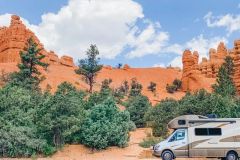 How to Plan an RV Road Trip Through the Southwest U.S.Learn how to plan an RV road trip through the Southwest U.S. with route ideas, camping advice, packing tips, safety planning, and expert travel strategies for an unforgettable adventure.
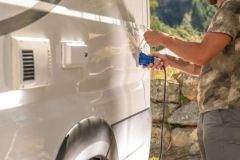 RV Essentials You Should Always Keep OnboardDiscover the RV essentials you should always keep onboard for safer and more comfortable trips. Learn which tools, supplies, and accessories every RV owner needs before hitting the road.
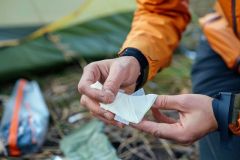 Essential First Aid Tips Every Camper Should KnowLearn essential first aid tips every camper should know, including injury prevention, emergency response steps, first aid kit preparation, and outdoor safety advice for every adventure.
 Campfire Coffee Brewing Methods Every Camper Should TryDiscover the best Campfire Coffee brewing methods for campers, from classic cowboy coffee to pour-over techniques, with expert tips for making great coffee outdoors.
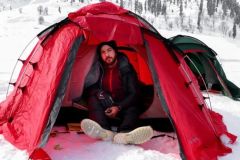 How to Maintain Comfort While Dry Camping in Cold WeatherLearn how to maintain comfort while dry camping in cold weather with practical insulation tips, gear strategies, real camping stories, and expert advice for safe winter outdoor adventures.
 Campfire Desserts Beyond S’mores: Easy Outdoor Treat IdeasDiscover creative Campfire Desserts That Go Beyond S’mores with easy, fun, and delicious outdoor recipes perfect for family camping nights and unforgettable fire pit moments.