What this guide helps you decide
Use the article to prepare questions, compare public listing details, and avoid choosing a campground from one headline, rating, or search result alone.
- 1. Understanding the challenges of high altitude campfires
- 2. Essential materials and tools for mountain fires
- 3. Fire building methods that work in thin air
- Confirm seasonal access, amenities, fees, reservation rules, and availability with the campground.
- Compare more than one listing when the decision affects safety, cost, or travel time.
- Use public ratings and photos as signals, not guarantees.
1. Understanding the challenges of high altitude campfires
Building a campfire at 10,000 feet isn’t the same as lighting one at sea level. The air is thinner, drier, and often windier, making combustion trickier and fire control more demanding. Oxygen levels are lower, meaning fires burn cooler and take longer to start. And weather at elevation can change rapidly, turning a warm flame into a wildfire risk in minutes.
To build a reliable, safe campfire in the mountains, you need to prepare not just better tools—but better knowledge.
2. Essential materials and tools for mountain fires
Before you even strike a match, make sure you’re equipped with the right gear. Unlike lower elevations, high altitude areas may lack usable dry wood, so bring what you can:
High-efficiency fire starters
Magnesium rods, waterproof matches, or commercial fire cubes (like those from brands featured on Camp Spotter) can make the difference between warmth and frostbite.
Dry kindling and fuel
In some alpine zones, natural fuel sources are damp or limited due to conservation rules. Always pack dry kindling like pine shavings, dryer lint, or wax-infused cotton balls.
Wind breaks and fire rings
Carrying a portable metal windscreen or building a rock ring around your fire will help maintain flame focus and prevent sparks from escaping.
Shovel and water container
Fire safety is non-negotiable. A collapsible shovel and large water bladder should be within arm’s reach—ready to douse if the wind shifts.
3. Fire building methods that work in thin air
Not all fire-laying styles perform equally at altitude. Here are a few that experts recommend when you’re battling low oxygen and cold:
The Upside-Down Fire
This method reverses the typical order: you place large logs on the bottom, then layer progressively smaller fuel upward, finishing with kindling and tinder on top. As the fire burns downward, it feeds itself with fresh oxygen without requiring constant tending.
The Log Cabin Structure
Ideal for longer burns, this technique stacks wood like a log cabin, with tinder in the center and logs forming a square around it. It allows air to flow well and works well in breezy conditions.
The Dakota Fire Hole (when legal)
This method involves digging two connected holes—one for combustion, one for airflow. It’s incredibly efficient, produces little smoke, and is highly wind-resistant. However, some protected areas prohibit digging, so check regulations first.
4. Real-world case story: Surviving a blizzard in the Rockies
In late October, a pair of hikers camping near Colorado’s Mount Elbert got caught in a surprise snow squall. Their propane stove failed due to altitude-induced pressure loss. Fortunately, they’d packed birch bark, dryer lint, and a magnesium striker. Using the upside-down fire method under a rock outcropping, they managed to keep a controlled blaze alive for five hours—long enough to stay warm and alert search crews with smoke.
Their story went viral in several survival forums and remains a textbook example of why preparation matters at elevation.
5. Campfire safety and Leave No Trace at elevation
Mountain ecosystems are fragile. Deadwood is scarce, and fire scars can last decades. Always follow Leave No Trace principles:
- Use established fire rings if they exist. Avoid disturbing new terrain.
- Only burn wood that can be broken by hand—no cutting live branches.
- Burn your fire down to white ash, and scatter the remains far from your site.
- Bring your own fuel when camping above the tree line.
When in doubt, skip the fire entirely and use a camping stove. But if you must build one, make sure it's efficient, safe, and respectful of the land. For vetted tools and gear ideal for high elevation use, check out trusted options at Camp Spotter.
High altitude camping pushes your skills to the limit—but with the right knowledge, even your campfire can rise to the occasion.
Related Camping Guides
Keep reading if you are comparing destinations, amenities, access, reservation questions, or listing quality.
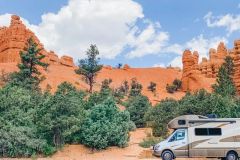 How to Plan an RV Road Trip Through the Southwest U.S.Learn how to plan an RV road trip through the Southwest U.S. with route ideas, camping advice, packing tips, safety planning, and expert travel strategies for an unforgettable adventure.
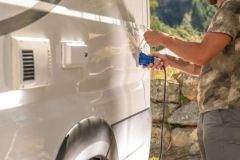 RV Essentials You Should Always Keep OnboardDiscover the RV essentials you should always keep onboard for safer and more comfortable trips. Learn which tools, supplies, and accessories every RV owner needs before hitting the road.
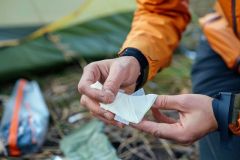 Essential First Aid Tips Every Camper Should KnowLearn essential first aid tips every camper should know, including injury prevention, emergency response steps, first aid kit preparation, and outdoor safety advice for every adventure.
 Campfire Coffee Brewing Methods Every Camper Should TryDiscover the best Campfire Coffee brewing methods for campers, from classic cowboy coffee to pour-over techniques, with expert tips for making great coffee outdoors.
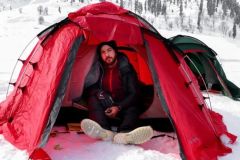 How to Maintain Comfort While Dry Camping in Cold WeatherLearn how to maintain comfort while dry camping in cold weather with practical insulation tips, gear strategies, real camping stories, and expert advice for safe winter outdoor adventures.
 Campfire Desserts Beyond S’mores: Easy Outdoor Treat IdeasDiscover creative Campfire Desserts That Go Beyond S’mores with easy, fun, and delicious outdoor recipes perfect for family camping nights and unforgettable fire pit moments.