What this guide helps you decide
Use the article to prepare questions, compare public listing details, and avoid choosing a campground from one headline, rating, or search result alone.
- 1. Understand Your Camping Goals First
- 2. Terrain and Environmental Factors
- 3. Weather, Wind, and Water Sources
- Confirm seasonal access, amenities, fees, reservation rules, and availability with the campground.
- Compare more than one listing when the decision affects safety, cost, or travel time.
- Use public ratings and photos as signals, not guarantees.
- understand-your-camping-goals-first
- terrain-and-environmental-factors
- weather-wind-and-water-sources
- convenience-comfort-and-privacy-considerations
- tools-and-resources-to-help-you-find-the-perfect-spot
1. Understand Your Camping Goals First
Before you scout for the perfect campsite, ask yourself: What kind of camping experience am I looking for? A serene nature escape, a family-friendly weekend, or a base for hiking adventures? Your goals shape your definition of the “perfect” spot. For example, solo backpackers often prioritize remoteness and scenery, while families prefer proximity to facilities. This initial clarity helps filter out unsuitable options from the start.
2. Terrain and Environmental Factors
2.1 Flat, Dry Ground is Gold
Level ground is essential—not just for sleep comfort, but for tent stability. Avoid setting up at the bottom of valleys or gullies where water can pool during rain. Look for spots with soft but well-drained soil. Rocky or root-filled ground might damage gear and disturb your rest.
2.2 Natural Shade and Wind Barriers
Trees provide shade during hot days, but be cautious of dead branches above—these can fall during storms. If you’re camping in windy areas, seek natural windbreaks like bushes, boulders, or a slope-facing forest edge. During a trip in Utah, a camper once avoided a severe tent collapse by repositioning behind a rock wall—a quick decision that saved the night.
3. Weather, Wind, and Water Sources
3.1 Mind the Elements
Always factor in prevailing wind direction and the forecast. Set your tent entrance away from strong gusts, and avoid camping on ridgelines during storm seasons. Cold air sinks—so lower elevations may get chillier at night than slopes.
3.2 Distance from Water
While camping near water is scenic and practical, setting up too close to a lake or stream can invite insects, moisture, and flash flood risks. The rule of thumb: camp at least 200 feet away from water sources to protect the environment and yourself.
4. Convenience, Comfort, and Privacy Considerations
4.1 Ease of Access
If you’re hauling gear from a car, ensure the walk to your campsite is manageable. For backcountry adventures, factor in trail conditions and whether your spot will be accessible in case of sudden weather changes or emergencies.
4.2 Privacy Equals Peace
No one wants to wake up to strangers a few feet away. Scan the area for less-trafficked corners or slightly elevated areas for natural privacy. During a trip in Shenandoah National Park, a couple avoided overcrowding by hiking just 0.3 miles off the main trail and found a serene clearing unknown to most weekend campers.
5. Tools and Resources to Help You Find the Perfect Spot
5.1 Use Technology Wisely
Apps like Gaia GPS, iOverlander, and AllTrails can help you scout top-rated camping zones with detailed terrain maps. Pair that with satellite views to assess vegetation and slope. If you're still unsure what works best, visit Camp Spotter to match your camping style with expert gear guides, curated site suggestions, and user-reviewed experiences.
5.2 Visit During Off-Hours
Try arriving at your chosen campground early in the morning or mid-week to claim the best spot. Popular places get packed quickly—planning and timing are just as crucial as location.
Finding the perfect campsite isn’t just about picking a pretty patch of earth—it’s about understanding your needs, respecting the environment, and planning ahead. Whether you're aiming for silence, safety, or scenery, let Camp Spotter guide your way to the best possible outdoor experience.
Related Camping Guides
Keep reading if you are comparing destinations, amenities, access, reservation questions, or listing quality.
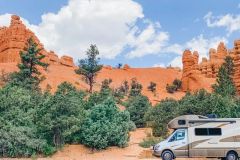 How to Plan an RV Road Trip Through the Southwest U.S.Learn how to plan an RV road trip through the Southwest U.S. with route ideas, camping advice, packing tips, safety planning, and expert travel strategies for an unforgettable adventure.
 RV Essentials You Should Always Keep OnboardDiscover the RV essentials you should always keep onboard for safer and more comfortable trips. Learn which tools, supplies, and accessories every RV owner needs before hitting the road.
 Essential First Aid Tips Every Camper Should KnowLearn essential first aid tips every camper should know, including injury prevention, emergency response steps, first aid kit preparation, and outdoor safety advice for every adventure.
 Campfire Coffee Brewing Methods Every Camper Should TryDiscover the best Campfire Coffee brewing methods for campers, from classic cowboy coffee to pour-over techniques, with expert tips for making great coffee outdoors.
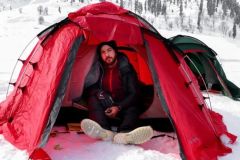 How to Maintain Comfort While Dry Camping in Cold WeatherLearn how to maintain comfort while dry camping in cold weather with practical insulation tips, gear strategies, real camping stories, and expert advice for safe winter outdoor adventures.
 Campfire Desserts Beyond S’mores: Easy Outdoor Treat IdeasDiscover creative Campfire Desserts That Go Beyond S’mores with easy, fun, and delicious outdoor recipes perfect for family camping nights and unforgettable fire pit moments.