What this guide helps you decide
Use the article to prepare questions, compare public listing details, and avoid choosing a campground from one headline, rating, or search result alone.
- Top 10 Tips for Camping with Kids
- 1. Preparation is Key: Plan Ahead
- 2. Packing Essentials for Kids
- Confirm seasonal access, amenities, fees, reservation rules, and availability with the campground.
- Compare more than one listing when the decision affects safety, cost, or travel time.
- Use public ratings and photos as signals, not guarantees.
Top 10 Tips for Camping with Kids
- 1. Preparation is Key: Plan Ahead
- 2. Packing Essentials for Kids
- 3. Teach Kids Campfire Safety
- 4. Fun Activities for Kids While Camping
- 5. Make Sleeping Comfortable for Your Kids
- 6. Safety First: Keep an Eye on Your Kids
- 7. Plan Kid-Friendly Meals
- 8. Keep Kids Engaged with Nature
- 9. Be Prepared for All Weather Conditions
- 10. Use the Trip for Family Bonding
1. Preparation is Key: Plan Ahead
One of the most important steps to a successful camping trip with kids is preparation. The more you plan ahead, the less stressful the experience will be. Research the campsite, learn about local wildlife, and check the weather forecast. Also, consider any rules or guidelines set by the campsite to ensure you're prepared for all situations.
Involve your kids in the planning process. Let them help pick out the campsite or choose which activities they’d like to do. This will give them a sense of responsibility and excitement about the trip. For younger children, create a simple checklist of things they need to pack, so they feel involved and prepared.
2. Packing Essentials for Kids
When packing for a family camping trip, it’s essential to pack extra items for your kids. Besides the usual camping gear like tents, sleeping bags, and cooking supplies, here are some kid-specific essentials:
- Extra clothing: Pack more clothes than you think you'll need. Kids get dirty quickly, and they’ll need warm layers if the temperature drops.
- Comfort items: If your kids have a favorite blanket, stuffed animal, or pillow, bring it to help them feel more at ease in an unfamiliar setting.
- Entertainment: Include some outdoor-friendly toys, such as a frisbee or a small ball, to keep them entertained.
Don’t forget sunscreen, hats, and bug spray to keep your kids comfortable and protected throughout the trip.
3. Teach Kids Campfire Safety
Campfires are a central part of the camping experience, but they also come with risks. Teaching kids about campfire safety is essential. Make sure they understand the importance of keeping a safe distance from the fire and never leaving the fire unattended. Also, make sure they know the basic rules, such as no throwing things into the fire and not touching the flames or hot coals.
Consider assigning a responsible adult to supervise the fire at all times. Additionally, you can let kids get involved in the fire-building process in a safe, supervised way, which can be an exciting learning experience.
4. Fun Activities for Kids While Camping
One of the best parts of camping is the opportunity to introduce your kids to outdoor activities that they might not experience every day. Hiking, fishing, swimming, and even nature scavenger hunts can all be great ways to engage your kids during the trip. Plan a mix of structured and free-play activities to keep them active and entertained.
For younger children, a simple nature walk or collecting interesting rocks and leaves can provide hours of fun. Don’t forget to bring along a camera to capture the moments and create memories together.
5. Make Sleeping Comfortable for Your Kids
Camping can be an adventure, but a poor night’s sleep can quickly turn things sour. To ensure your kids get a good night’s rest, consider their sleeping needs carefully. Invest in a high-quality sleeping bag and a comfortable sleeping pad to provide cushioning and warmth. You may also want to bring along a nightlight or some familiar bedtime items to help them feel more at ease in the tent.
Make sure to set up your tent in a safe, quiet spot away from noisy areas. This will help create a more peaceful environment, which can help your kids sleep better and stay rested throughout the trip.
6. Safety First: Keep an Eye on Your Kids
Safety is a top priority when camping with kids. Always keep an eye on your little ones, especially when they are near water, open flames, or wildlife. Create rules about staying within a certain area around the campsite and always know where your kids are. You can also equip them with an ID bracelet or a phone if they are old enough to carry one, just in case they wander off.
Additionally, educate them about the importance of wildlife safety. Teach them not to approach animals and to stay quiet when they see them. It’s also essential to set up a safe area for them to play so they don’t wander too far.
7. Plan Kid-Friendly Meals
Planning meals for your camping trip can be a challenge, but when camping with kids, it's crucial to prepare foods that are not only easy to make but also ones your kids will enjoy eating. Make meals fun and interactive by letting your kids help with food prep. Simple dishes like hot dogs, marshmallows, and easy-to-make sandwiches can be perfect for camping.
Don't forget to pack snacks that are kid-friendly and nutritious, like granola bars, fruit, and trail mix. Having these on hand will keep your kids energized and satisfied during hikes and activities.
8. Keep Kids Engaged with Nature
Encourage your kids to explore and interact with nature. Teach them how to identify different plants, animals, and insects. Bring along a magnifying glass, binoculars, or a nature guidebook to make their outdoor adventure more interactive. This can turn your camping trip into an educational experience, fostering a deeper appreciation for the environment.
Consider having a nature scavenger hunt where they have to find specific items such as pine cones, specific flowers, or animal tracks. This will keep them engaged and excited about the outdoors.
9. Be Prepared for All Weather Conditions
Weather can be unpredictable, especially when camping in nature. Prepare for different conditions by packing clothing for all types of weather. Bring lightweight layers for hot weather, and waterproof jackets or rain gear for rainy days. Be sure to have blankets or sleeping bags designed for varying temperatures to keep everyone comfortable.
It’s also a good idea to have some indoor activities planned just in case the weather turns sour. This could be a perfect time for a family card game or storytelling session around the campfire.
10. Use the Trip for Family Bonding
Camping offers the perfect opportunity to bond with your kids away from the distractions of everyday life. Use this time to connect as a family. Share stories, play games, and spend quality time together. Encourage your kids to unplug from devices and enjoy the simple joys of nature.
At the end of the day, your camping trip should be about creating lasting memories with your children. The experiences you share will help strengthen your relationship and foster a love of the outdoors that can last a lifetime.
Related Camping Guides
Keep reading if you are comparing destinations, amenities, access, reservation questions, or listing quality.
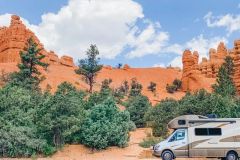 How to Plan an RV Road Trip Through the Southwest U.S.Learn how to plan an RV road trip through the Southwest U.S. with route ideas, camping advice, packing tips, safety planning, and expert travel strategies for an unforgettable adventure.
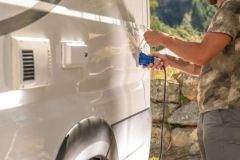 RV Essentials You Should Always Keep OnboardDiscover the RV essentials you should always keep onboard for safer and more comfortable trips. Learn which tools, supplies, and accessories every RV owner needs before hitting the road.
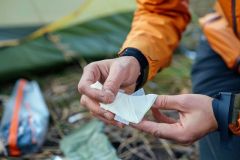 Essential First Aid Tips Every Camper Should KnowLearn essential first aid tips every camper should know, including injury prevention, emergency response steps, first aid kit preparation, and outdoor safety advice for every adventure.
 Campfire Coffee Brewing Methods Every Camper Should TryDiscover the best Campfire Coffee brewing methods for campers, from classic cowboy coffee to pour-over techniques, with expert tips for making great coffee outdoors.
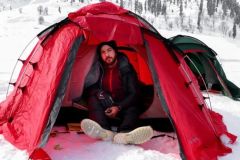 How to Maintain Comfort While Dry Camping in Cold WeatherLearn how to maintain comfort while dry camping in cold weather with practical insulation tips, gear strategies, real camping stories, and expert advice for safe winter outdoor adventures.
 Campfire Desserts Beyond S’mores: Easy Outdoor Treat IdeasDiscover creative Campfire Desserts That Go Beyond S’mores with easy, fun, and delicious outdoor recipes perfect for family camping nights and unforgettable fire pit moments.