What this guide helps you decide
Use the article to prepare questions, compare public listing details, and avoid choosing a campground from one headline, rating, or search result alone.
- 1. RV Camping: What Makes It Comfortable and Convenient
- 2. Tent Camping: Embracing Authenticity and Simplicity
- 3. Challenges and Limitations of Both Camping Styles
- Confirm seasonal access, amenities, fees, reservation rules, and availability with the campground.
- Compare more than one listing when the decision affects safety, cost, or travel time.
- Use public ratings and photos as signals, not guarantees.
- 1 - rv-camping-what-makes-it-comfortable-and-convenient
- 2 - tent-camping-embracing-authenticity-and-simplicity
- 3 - challenges-and-limitations-of-both-camping-styles
- 4 - real-stories-from-campers-who-switched-or-compared
- 5 - choosing-whats-right-for-you-with-help-from-camp-spotter
1. RV Camping: What Makes It Comfortable and Convenient
RV camping offers a mobile version of home comfort. With electricity, real beds, and weatherproof shelter, RVs are ideal for families, older adults, or those who want to bring pets along. Everything from cooking to sleeping to using the restroom becomes simpler, especially when parked in full-service campgrounds. You’ll never worry about wet gear, bugs in your sleeping bag, or midnight walks to the toilet. RVs also allow for longer trips with fewer planning headaches. If you're road-tripping through national parks or attending festivals, this type of camping can turn roughing it into glamping.
2. Tent Camping: Embracing Authenticity and Simplicity
Tent camping, on the other hand, offers a raw, immersive connection with nature. It encourages minimalism and creativity, forcing campers to be resourceful. Setting up a tent under the stars, cooking over a fire, and waking up to birdsong are experiences that can't be replicated in an RV. For many, tent camping is less about convenience and more about authenticity. It also costs far less—gear is cheaper, and campsites are usually more available and affordable. This type of camping appeals to hikers, backpackers, and anyone seeking a digital detox.
3. Challenges and Limitations of Both Camping Styles
While RVs offer comfort, they also come with steep costs—initial purchase, fuel, maintenance, and storage. Some parks limit RV access or charge higher fees. Plus, maneuvering a 30-foot vehicle into a tight wooded site isn’t for the faint-hearted. Tent camping, while budget-friendly, can be physically demanding and weather-dependent. Rain, cold, or high winds can dampen the experience quickly. It also requires more prep and packing. If you forget a crucial item—say, your tent stakes—you’ll feel it immediately. Weighing these trade-offs helps determine which style suits your trip’s goals and your own tolerance levels.
4. Real Stories from Campers Who Switched or Compared
Take Brandon, a digital nomad who sold his RV after two years and returned to tent camping for the freedom and simplicity. "I realized I didn’t need Wi-Fi and a mattress—I needed trees and silence," he says. On the flip side, a retired couple, June and Michael, upgraded from tenting to an RV for their cross-country bucket-list tour. “It gave us the confidence to keep camping into our 70s,” they explained. These contrasting stories highlight that camping isn’t one-size-fits-all—it evolves with your needs. Whether you're a weekend warrior or full-time traveler, the right setup makes all the difference.
5. Choosing What’s Right for You with Help from Camp Spotter
Whether you're drawn to the rugged appeal of tent camping or the road-trip luxury of RV life, Camp Spotter can help match you with the perfect gear, campsite, or even dealer. Use our curated product guides to find durable tents, compact stoves, or beginner-friendly RV checklists. Our user community shares honest reviews and firsthand comparisons, making it easier for you to make informed decisions. No matter your budget or experience level, we make it easier to camp smarter—not harder.
Related Camping Guides
Keep reading if you are comparing destinations, amenities, access, reservation questions, or listing quality.
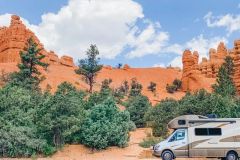 How to Plan an RV Road Trip Through the Southwest U.S.Learn how to plan an RV road trip through the Southwest U.S. with route ideas, camping advice, packing tips, safety planning, and expert travel strategies for an unforgettable adventure.
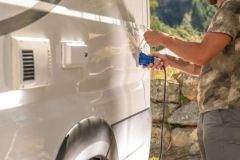 RV Essentials You Should Always Keep OnboardDiscover the RV essentials you should always keep onboard for safer and more comfortable trips. Learn which tools, supplies, and accessories every RV owner needs before hitting the road.
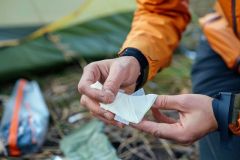 Essential First Aid Tips Every Camper Should KnowLearn essential first aid tips every camper should know, including injury prevention, emergency response steps, first aid kit preparation, and outdoor safety advice for every adventure.
 Campfire Coffee Brewing Methods Every Camper Should TryDiscover the best Campfire Coffee brewing methods for campers, from classic cowboy coffee to pour-over techniques, with expert tips for making great coffee outdoors.
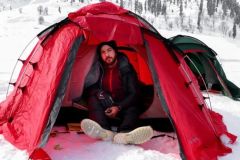 How to Maintain Comfort While Dry Camping in Cold WeatherLearn how to maintain comfort while dry camping in cold weather with practical insulation tips, gear strategies, real camping stories, and expert advice for safe winter outdoor adventures.
 Campfire Desserts Beyond S’mores: Easy Outdoor Treat IdeasDiscover creative Campfire Desserts That Go Beyond S’mores with easy, fun, and delicious outdoor recipes perfect for family camping nights and unforgettable fire pit moments.