What this guide helps you decide
Use the article to prepare questions, compare public listing details, and avoid choosing a campground from one headline, rating, or search result alone.
- 1. Understanding the Role of Campfires for Heat
- 2. Tips for Maximizing Campfire Warmth
- 3. Staying Warm Without Burning Out
- Confirm seasonal access, amenities, fees, reservation rules, and availability with the campground.
- Compare more than one listing when the decision affects safety, cost, or travel time.
- Use public ratings and photos as signals, not guarantees.
- 1. Understanding the Role of Campfires for Heat
- 2. Tips for Maximizing Campfire Warmth
- 3. Staying Warm Without Burning Out
- 4. Alternative Heat Sources for Cold Nights
- 5. Recommended Camping Gear for Heat and Warmth
1. Understanding the Role of Campfires for Heat
Campfires are not just for cooking marshmallows and telling stories under the stars; they are an essential source of warmth during cold nights in the wilderness. A well-built campfire can provide both light and heat, creating a cozy and safe environment while you sleep under the open sky. However, to truly harness the power of a campfire for heat, it’s important to understand how it works and the best practices for using it effectively.
When building a campfire, the type of wood you use and how you arrange it can significantly affect the amount of heat it generates. Hardwoods like oak, maple, and hickory burn hotter and longer, providing consistent warmth throughout the night. Softwoods, like pine and spruce, burn faster but may not offer the same prolonged heat. Thus, knowing how to properly fuel your fire is key to maximizing its warmth and longevity.
2. Tips for Maximizing Campfire Warmth
Making the most of your campfire’s heat requires more than just lighting it and sitting nearby. Here are some expert tips to help you stay warm through the night:
2.1 Build a Proper Fire
The first step in ensuring you get the maximum warmth from your fire is building it correctly. Start with kindling like dry twigs or small sticks to ignite the fire, then gradually add larger pieces of wood. Create a teepee or log cabin structure to ensure proper airflow, which helps the fire burn efficiently and produce more heat. A well-structured fire will provide a more intense and longer-lasting warmth, perfect for those chilly nights.
2.2 Use Reflective Materials
To keep the heat from escaping, position reflective materials like a metal sheet or aluminum foil behind your fire. These materials reflect the heat back toward you, ensuring it doesn’t dissipate into the surrounding environment. You can also use your tent or tarp to create a windbreak, which will prevent cold drafts from stealing the warmth your fire generates.
2.3 Maintain the Fire Throughout the Night
A common mistake when camping is letting the fire die down too early. To keep the fire going, keep adding small pieces of wood and stoking it periodically. If you're using a larger fire pit, consider having a few extra logs ready to add as needed. This ensures the fire stays hot and consistent throughout the night.
3. Staying Warm Without Burning Out
While campfires are great for warmth, they come with certain risks. Getting too close to the fire or relying too heavily on it can lead to burns or a dangerous buildup of smoke. It's essential to stay warm without overexposing yourself to the fire. Here’s how:
3.1 Use the Fire for Heat, Not for Sleeping
Although it’s tempting to sleep next to the campfire, this is not advisable. Being too close to the flames can lead to burns or uncomfortable heat exposure. Instead, keep the fire at a safe distance (about 3–4 feet) and use sleeping bags or insulated clothing for added warmth while you rest.
3.2 Layer Your Clothing
One of the best ways to stay warm during cold nights is by layering your clothing. A good base layer will wick moisture away from your skin, while an insulating layer traps heat. A windproof outer layer will prevent drafts and ensure that the heat you’re getting from the fire stays in. This combination works far better than relying solely on the heat from a campfire.
4. Alternative Heat Sources for Cold Nights
While campfires are fantastic for staying warm, they are not the only option. There are several other heat sources to consider when spending cold nights outdoors:
4.1 Portable Camping Heaters
Portable camping heaters are a great way to keep warm during colder nights, especially in areas where wood is scarce or fire restrictions are in place. These compact heaters run on propane or butane and can provide a steady source of heat for several hours. Make sure to use them in well-ventilated areas to avoid carbon monoxide buildup.
4.2 Insulated Sleeping Bags and Pads
Investing in a high-quality insulated sleeping bag and sleeping pad is essential for staying warm during cold nights. These sleeping bags are designed to retain body heat, while the sleeping pads provide insulation from the cold ground. Together, they form an effective barrier against the cold, allowing you to sleep more comfortably even without a fire.
4.3 Hot Water Bottles
If you’re looking for a low-tech solution, hot water bottles are a great option. Simply fill them with hot water and place them in your sleeping bag before heading to bed. The warmth will keep you cozy for hours, and the bottles are reusable for multiple nights.
5. Recommended Camping Gear for Heat and Warmth
If you want to ensure that you're well-prepared for cold nights, consider investing in quality camping gear that will keep you warm. At Camp Spotter, we recommend the following products:
5.1 High-Quality Sleeping Bags
Look for sleeping bags rated for temperatures lower than the conditions you expect to face. A sleeping bag rated for 20°F will keep you warm even in freezing temperatures.
5.2 Portable Heaters and Lanterns
Explore portable camping heaters and lanterns to provide heat and light without the need for a traditional campfire. Brands like Mr. Heater offer reliable, safe options for staying warm.
5.3 Reflective Blankets
These lightweight, compact blankets can be used to reflect heat back to you, ensuring that your warmth isn’t wasted. They’re perfect for emergencies or to add an extra layer of warmth on cold nights.
For more gear recommendations and expert advice, visit Camp Spotter to find the best camping products for warmth and comfort on your next adventure.
Related Camping Guides
Keep reading if you are comparing destinations, amenities, access, reservation questions, or listing quality.
 How to Plan an RV Road Trip Through the Southwest U.S.Learn how to plan an RV road trip through the Southwest U.S. with route ideas, camping advice, packing tips, safety planning, and expert travel strategies for an unforgettable adventure.
 RV Essentials You Should Always Keep OnboardDiscover the RV essentials you should always keep onboard for safer and more comfortable trips. Learn which tools, supplies, and accessories every RV owner needs before hitting the road.
 Essential First Aid Tips Every Camper Should KnowLearn essential first aid tips every camper should know, including injury prevention, emergency response steps, first aid kit preparation, and outdoor safety advice for every adventure.
 Campfire Coffee Brewing Methods Every Camper Should TryDiscover the best Campfire Coffee brewing methods for campers, from classic cowboy coffee to pour-over techniques, with expert tips for making great coffee outdoors.
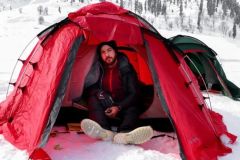 How to Maintain Comfort While Dry Camping in Cold WeatherLearn how to maintain comfort while dry camping in cold weather with practical insulation tips, gear strategies, real camping stories, and expert advice for safe winter outdoor adventures.
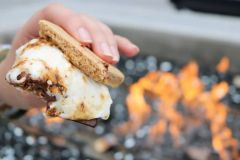 Campfire Desserts Beyond S’mores: Easy Outdoor Treat IdeasDiscover creative Campfire Desserts That Go Beyond S’mores with easy, fun, and delicious outdoor recipes perfect for family camping nights and unforgettable fire pit moments.