What this guide helps you decide
Use the article to prepare questions, compare public listing details, and avoid choosing a campground from one headline, rating, or search result alone.
- 1. Understanding Campfire Heat and Safety
- 2. Choosing the Right Equipment to Boil Water
- 3. How to Set Up Your Campfire for Boiling
- Confirm seasonal access, amenities, fees, reservation rules, and availability with the campground.
- Compare more than one listing when the decision affects safety, cost, or travel time.
- Use public ratings and photos as signals, not guarantees.
- 1-understanding-campfire-heat-and-safety
- 2-choosing-the-right-equipment-to-boil-water
- 3-how-to-set-up-your-campfire-for-boiling
- 4-techniques-to-boil-water-over-a-campfire
- 5-common-mistakes-and-how-to-avoid-them
- 6-real-experiences-from-the-wilderness
- 7-sourcing-reliable-camping-tools
1. Understanding Campfire Heat and Safety
1.1 Why Boiling Water with Campfire Heat Requires Care
Learning how to use campfire heat to boil water safely begins with understanding that fire is both a tool and a hazard. A typical campfire can reach temperatures exceeding 600°C (1,100°F), which can easily boil water—but also melt plastic or overheat certain metals.
1.2 Safety Must Come First
Always maintain a fire-safe perimeter using stones or a fire ring. Keep extra water nearby, and never leave a boiling setup unattended. Before you even light your fire, check that you’re in a legal, safe area for open flames. National parks and many campgrounds have fire advisories that must be followed.
2. Choosing the Right Equipment to Boil Water
2.1 Ideal Boiling Containers
Stainless steel pots or titanium kettles are the gold standard. Avoid plastic and thin aluminum—these can warp or release toxins. Make sure your container has a lid to speed up the boiling process and prevent ash from falling into your water.
2.2 Accessories That Make a Difference
A grate or campfire tripod makes a huge difference in stability. You can also use a simple rock ring setup to suspend your pot at an adjustable distance from the flame. Metal tongs, heat-resistant gloves, and collapsible wind shields also improve efficiency and safety.
3. How to Set Up Your Campfire for Boiling
3.1 Building the Right Type of Fire
To boil water effectively, your campfire should prioritize heat and stability over size. The “log cabin” or “criss-cross” method creates a central coal bed surrounded by structured support—ideal for holding a pot over a consistent flame. Once the fire burns down to glowing embers, you’ll get an even heat without flare-ups.
3.2 Managing Flame Versus Ember
Boiling water over open flames is possible but unpredictable. Embers, on the other hand, radiate a steady heat ideal for even boiling. Wait until your campfire has a solid bed of coals before placing your pot.
4. Techniques to Boil Water Over a Campfire
4.1 The Direct Method
Place your pot directly on the coals or a rock-supported grill. This method is fast and effective but requires careful positioning to avoid tipping. Make sure the container sits flat and is centered for balanced heating.
4.2 Using a Campfire Tripod
Hang a pot from a metal tripod with adjustable chain length. This traditional method, often seen in survivalist setups, is stable and allows you to control boiling speed by adjusting pot height.
4.3 Boiling Water in a Tin Can or Cup
Backpackers sometimes use metal cups or clean food cans to boil small amounts of water quickly. This method works best for single servings and should only be done with food-grade metals.
5. Common Mistakes and How to Avoid Them
5.1 Overfilling Your Container
Water expands when heated. Leave at least an inch of space at the top of your pot to prevent overflow and splashes. Boiling water burns can be severe, especially in remote areas.
5.2 Not Covering the Pot
An uncovered pot takes longer to boil and lets debris in. Always use a lid or cover—even aluminum foil works in a pinch.
5.3 Misjudging Heat Zones
Campfires have different heat levels. Learn to identify the hottest zones (usually near the core of the coal bed) and rotate your pot occasionally to avoid uneven boiling.
6. Real Experiences from the Wilderness
6.1 A Lesson in Patience at Yosemite
One camper recounted how their group underestimated the time it would take to boil a large pot of water for freeze-dried meals during a chilly Yosemite night. They tried to boil water on roaring flames and ended up with half-cooked pasta and soot-covered pots. After adjusting to coal-based heat and stabilizing the pot, they learned firsthand how technique matters more than fire size.
6.2 Boiling Water During a Sudden Storm
In another case, a camper in the Rockies used a campfire windshield and a flat stone base to successfully boil water under rainy, windy conditions—proof that setup and tools make all the difference.
7. Sourcing Reliable Camping Tools
7.1 Where to Start Looking
If you're planning your next outdoor adventure, getting the right gear is key. Whether you're after compact kettles, fire-safe pots, or sturdy tripods, Camp Spotter offers carefully selected camping tools tested by real campers and outdoor guides. It’s a dependable source for upgrading your kit with safety and function in mind.
Related Camping Guides
Keep reading if you are comparing destinations, amenities, access, reservation questions, or listing quality.
 How to Plan an RV Road Trip Through the Southwest U.S.Learn how to plan an RV road trip through the Southwest U.S. with route ideas, camping advice, packing tips, safety planning, and expert travel strategies for an unforgettable adventure.
 RV Essentials You Should Always Keep OnboardDiscover the RV essentials you should always keep onboard for safer and more comfortable trips. Learn which tools, supplies, and accessories every RV owner needs before hitting the road.
 Essential First Aid Tips Every Camper Should KnowLearn essential first aid tips every camper should know, including injury prevention, emergency response steps, first aid kit preparation, and outdoor safety advice for every adventure.
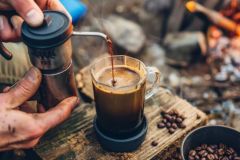 Campfire Coffee Brewing Methods Every Camper Should TryDiscover the best Campfire Coffee brewing methods for campers, from classic cowboy coffee to pour-over techniques, with expert tips for making great coffee outdoors.
 How to Maintain Comfort While Dry Camping in Cold WeatherLearn how to maintain comfort while dry camping in cold weather with practical insulation tips, gear strategies, real camping stories, and expert advice for safe winter outdoor adventures.
 Campfire Desserts Beyond S’mores: Easy Outdoor Treat IdeasDiscover creative Campfire Desserts That Go Beyond S’mores with easy, fun, and delicious outdoor recipes perfect for family camping nights and unforgettable fire pit moments.