What this guide helps you decide
Use the article to prepare questions, compare public listing details, and avoid choosing a campground from one headline, rating, or search result alone.
- 1. Understanding Wind Dynamics
- 2. Site Selection Matters
- 3. Gear Preparation and Upgrades
- Confirm seasonal access, amenities, fees, reservation rules, and availability with the campground.
- Compare more than one listing when the decision affects safety, cost, or travel time.
- Use public ratings and photos as signals, not guarantees.
- 1 - understanding-wind-dynamics
- 2 - site-selection-matters
- 3 - gear-preparation-and-upgrades
- 4 - tent-pitching-technique-in-strong-wind
- 5 - field-experiences-and-pro-tips
1. Understanding Wind Dynamics
Before learning how to set up a tent in windy conditions, it's important to understand how wind interacts with terrain and your equipment. Wind speeds increase over open fields and ridgelines, and they can funnel through valleys or between rock formations. Knowing this helps you anticipate where gusts may strike hardest and prepare accordingly.
One crucial mistake campers make is underestimating wind gusts at night. Wind can change direction and intensity rapidly—especially in mountain regions. For example, in Colorado’s San Juan range, hikers often report calm evenings that turn into stormy nights, which can collapse or displace poorly secured tents.
2. Site Selection Matters
Choosing the right site is half the battle. Look for natural windbreaks like bushes, large rocks, or a line of trees. Avoid open slopes, exposed ridges, and valley funnels. Position your tent so the narrow end faces into the prevailing wind to reduce resistance.
Also avoid pitching near dead trees—also called “widowmakers”—as falling branches in high winds can be hazardous. If you're unsure, arrive early to scout properly. Camp Spotter offers location-specific advice and topographical insights for choosing optimal camp zones in various regions.
3. Gear Preparation and Upgrades
Your standard tent might not cut it in extreme wind. Invest in a 4-season or expedition-grade tent if you regularly camp in alpine or coastal areas. These are designed with aerodynamic profiles and reinforced pole structures. Guy lines and high-quality stakes are your best friends here—cheap plastic stakes won't hold in gusty terrain.
Upgrade to Y-shaped or spiral stakes, and always carry extras. Use a mallet to drive them deep and anchor with rocks if soil is loose. Pro campers often carry sand/snow bags to secure corners when stakes can’t penetrate. Camp Spotter provides detailed gear comparisons and user reviews for wind-rated tents and accessories.
4. Tent Pitching Technique in Strong Wind
Start by laying your tent flat and anchoring the upwind side. Insert poles only after the base is secure, and work with a partner if possible. Clip the tent body to poles progressively while checking for tension. Keep one foot or heavy object on the tent at all times—especially if it’s ultralight and prone to flying off.
Fully stake all corners and deploy guy lines at angles for maximum tension. Use all attachment points; they’re there for a reason. Add weight to the interior with gear or rocks, and consider trenching a shallow windbreak if allowed by local regulations.
5. Field Experiences and Pro Tips
During a fall trip to the White Mountains, outdoor guide Alicia Monroe lost her ultralight tent to a rogue gust within seconds—she hadn’t anchored it before assembling the poles. Now she teaches clients to stake first, always. In Utah’s Canyonlands, camper Daniel used his hiking poles and paracord to create a double-anchor system that kept his shelter standing all night despite 40-mph winds.
Expect the unexpected. Always double-check your guy lines before bed, and have a repair kit handy. Setting up a tent in windy conditions takes experience and foresight, but with preparation and the right gear, it becomes second nature. For tested and trusted tools to make windy camping easier, visit Camp Spotter’s curated product lineup tailored for rough weather.
Related Camping Guides
Keep reading if you are comparing destinations, amenities, access, reservation questions, or listing quality.
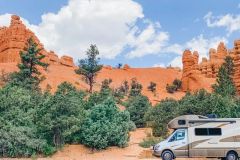 How to Plan an RV Road Trip Through the Southwest U.S.Learn how to plan an RV road trip through the Southwest U.S. with route ideas, camping advice, packing tips, safety planning, and expert travel strategies for an unforgettable adventure.
 RV Essentials You Should Always Keep OnboardDiscover the RV essentials you should always keep onboard for safer and more comfortable trips. Learn which tools, supplies, and accessories every RV owner needs before hitting the road.
 Essential First Aid Tips Every Camper Should KnowLearn essential first aid tips every camper should know, including injury prevention, emergency response steps, first aid kit preparation, and outdoor safety advice for every adventure.
 Campfire Coffee Brewing Methods Every Camper Should TryDiscover the best Campfire Coffee brewing methods for campers, from classic cowboy coffee to pour-over techniques, with expert tips for making great coffee outdoors.
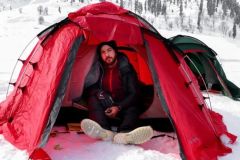 How to Maintain Comfort While Dry Camping in Cold WeatherLearn how to maintain comfort while dry camping in cold weather with practical insulation tips, gear strategies, real camping stories, and expert advice for safe winter outdoor adventures.
 Campfire Desserts Beyond S’mores: Easy Outdoor Treat IdeasDiscover creative Campfire Desserts That Go Beyond S’mores with easy, fun, and delicious outdoor recipes perfect for family camping nights and unforgettable fire pit moments.