What this guide helps you decide
Use the article to prepare questions, compare public listing details, and avoid choosing a campground from one headline, rating, or search result alone.
- 1-Understanding the Basics of Building a Campfire
- 2-What to Do When You Have No Firewood
- 3-Alternative Materials to Use for a Campfire
- Confirm seasonal access, amenities, fees, reservation rules, and availability with the campground.
- Compare more than one listing when the decision affects safety, cost, or travel time.
- Use public ratings and photos as signals, not guarantees.
- 1-Understanding the Basics of Building a Campfire
- 2-What to Do When You Have No Firewood
- 3-Alternative Materials to Use for a Campfire
- 4-Campfire Safety Tips for Survival
- 5-How to Keep the Fire Going Without Firewood
1-Understanding the Basics of Building a Campfire
Building a campfire is a fundamental survival skill for outdoor adventurers. Whether you’re camping, hiking, or simply enjoying a night under the stars, a fire provides warmth, a cooking source, and light. Typically, building a campfire requires three essential elements: fuel, heat, and oxygen. However, what happens when you find yourself without firewood? In this guide, we will explore alternative methods to build a campfire when no firewood is available.
2-What to Do When You Have No Firewood
If you’re in a camping situation and don’t have firewood, don’t panic! There are still ways to create a fire using the surrounding environment and natural materials. You can rely on a few tricks to gather alternative fuel sources, as long as you prioritize safety and use what’s available around you. Let’s explore what to do when you find yourself in this predicament:
- Check your surroundings: Look for dry leaves, grass, pine needles, and small twigs. These materials can be easily gathered to help you start a fire.
- Consider alternative fire starters: Items like cotton balls with petroleum jelly or dryer lint can serve as excellent fire starters if dry wood is unavailable.
- Use a fire starter kit: If you’ve packed one, using a magnesium fire starter or flint striker is a great way to generate enough heat to get your fire going.
3-Alternative Materials to Use for a Campfire
When you don’t have firewood, it's important to be creative and resourceful. Fortunately, many natural materials can work as a substitute for traditional firewood. Here are some alternatives:
- Dry grass and leaves: Dry leaves and grass are highly flammable and can help create an initial flame. However, they burn quickly, so you’ll need to add larger fuels right away.
- Tree bark: Some tree bark, such as birch or cedar, can catch fire easily when dry. Use it as kindling to build up your fire.
- Pinecones: Pinecones can work as an excellent fuel source due to the resin inside, which burns with great intensity.
- Small branches and twigs: In the absence of larger logs, small sticks and twigs can be broken into smaller pieces and arranged in a teepee structure to catch the flame.
- Wooden planks or sticks from old furniture: If you have any unused wooden items around, consider breaking them down for firewood. Old wooden furniture or crates can be a good backup when firewood is scarce.
4-Campfire Safety Tips for Survival
Building a fire in the wild without firewood can be a fun challenge, but it’s essential to prioritize safety. Fire hazards are real, and understanding the correct methods to handle fire is crucial. Here are some campfire safety tips:
- Choose a safe location: Always build your fire in a designated fire pit or away from dry vegetation. A safe area is key to preventing a wildfire.
- Keep it small: A smaller fire is easier to control and less likely to spread. Use only what you need for warmth or cooking.
- Extinguish the fire properly: Always fully extinguish the fire before leaving the campsite. Pour water over the fire and stir the ashes to ensure it’s completely out.
5-How to Keep the Fire Going Without Firewood
Once you’ve started your campfire without firewood, you’ll need to maintain it. Here are a few tips to keep your fire going without relying on traditional firewood:
- Use smaller, quick-burning materials: Keep adding small twigs, dried grass, and pinecones to maintain a steady flame. Make sure to layer them properly to allow air circulation.
- Rotate your materials: Instead of using all your resources at once, alternate between different types of fuel to keep the fire steady without overloading it.
- Feed the fire slowly: Gradually add materials to avoid suffocating the flames. Start small and gradually increase the size of the fuel as the fire builds.
Building a campfire when you have no firewood requires resourcefulness, patience, and careful attention. With the right techniques and materials, you can enjoy a safe and warm fire even in challenging conditions.
If you’re looking for reliable camping gear and tools to enhance your outdoor experience, check out Camp Spotter for the best products and services available. We’ve got everything you need to make your next adventure a success.
Related Camping Guides
Keep reading if you are comparing destinations, amenities, access, reservation questions, or listing quality.
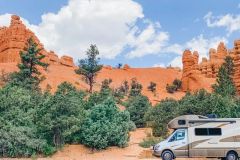 How to Plan an RV Road Trip Through the Southwest U.S.Learn how to plan an RV road trip through the Southwest U.S. with route ideas, camping advice, packing tips, safety planning, and expert travel strategies for an unforgettable adventure.
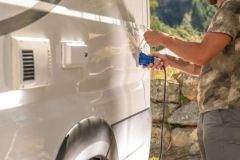 RV Essentials You Should Always Keep OnboardDiscover the RV essentials you should always keep onboard for safer and more comfortable trips. Learn which tools, supplies, and accessories every RV owner needs before hitting the road.
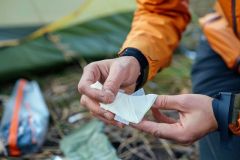 Essential First Aid Tips Every Camper Should KnowLearn essential first aid tips every camper should know, including injury prevention, emergency response steps, first aid kit preparation, and outdoor safety advice for every adventure.
 Campfire Coffee Brewing Methods Every Camper Should TryDiscover the best Campfire Coffee brewing methods for campers, from classic cowboy coffee to pour-over techniques, with expert tips for making great coffee outdoors.
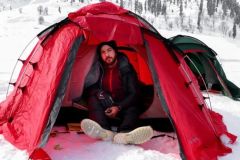 How to Maintain Comfort While Dry Camping in Cold WeatherLearn how to maintain comfort while dry camping in cold weather with practical insulation tips, gear strategies, real camping stories, and expert advice for safe winter outdoor adventures.
 Campfire Desserts Beyond S’mores: Easy Outdoor Treat IdeasDiscover creative Campfire Desserts That Go Beyond S’mores with easy, fun, and delicious outdoor recipes perfect for family camping nights and unforgettable fire pit moments.