What this guide helps you decide
Use the article to prepare questions, compare public listing details, and avoid choosing a campground from one headline, rating, or search result alone.
- 1. Choose the Perfect Campsite Location
- 2. Master the Layout for Function and Comfort
- 3. Gear Prep and Setup Like a Seasoned Camper
- Confirm seasonal access, amenities, fees, reservation rules, and availability with the campground.
- Compare more than one listing when the decision affects safety, cost, or travel time.
- Use public ratings and photos as signals, not guarantees.
- 1 - choose-the-perfect-campsite-location
- 2 - master-the-layout-for-function-and-comfort
- 3 - gear-prep-and-setup-like-a-seasoned-camper
- 4 - campfire-safety-and-efficiency-tips
- 5 - real-world-pro-tips-and-mistakes-to-avoid
1. Choose the Perfect Campsite Location
Success starts with the right spot. A professional camper knows how to assess terrain, shelter, and proximity to essentials. Choose flat ground, preferably with natural windbreaks like bushes or boulders. Avoid low areas prone to water pooling or areas under dead branches (“widowmakers”).
Facing your tent opening east means natural morning light—an underrated pro tip that helps you wake with the sun. Also, always observe local regulations, and if you're unsure what areas are camper-approved, Camp Spotter can help you locate ideal, well-rated camping spots nationwide.
2. Master the Layout for Function and Comfort
A great campsite has smart organization. Start by mentally dividing your camp into zones: sleep, cook, relax, and store. Pitch your tent upwind of the firepit and keep food stored well away to prevent wildlife encounters. The fire pit should be central but not too close to flammable gear.
Use natural or gear-provided boundaries to make the space feel organized. Hang lanterns strategically and place a tarp under your cooking zone. This setup not only adds comfort but also efficiency, especially when weather or fatigue hits.
3. Gear Prep and Setup Like a Seasoned Camper
Before hitting the trail, lay out all your gear. From your tent and stakes to your cook stove and bear canister—know where everything is and test it. Professionals always double-check weather forecasts and pack accordingly: insulation layers, waterproof tarps, and extra stakes for windy conditions.
When pitching your tent, stake the corners at a 45-degree angle for optimal hold. Tighten guylines evenly to avoid sagging walls. If you're unsure which tools or shelter setups match your climate or terrain, browse curated gear sets at Camp Spotter for trusted, field-tested equipment.
4. Campfire Safety and Efficiency Tips
Building a proper campfire isn’t just about stacking wood—it’s an art. Create a small teepee or log-cabin structure using dry tinder and kindling. Start small, feed slowly, and always clear a 10-foot diameter of debris around the fire ring.
Never leave your fire unattended, and before sleeping or leaving, fully extinguish it using water and a stick to stir the ashes until cool. In many popular camping threads, experienced hikers share stories of small mistakes that turned into big scares. Don’t be that story. Learn safe fire practice and if allowed, carry a small fire mat for extra security.
5. Real-World Pro Tips and Mistakes to Avoid
Lauren W., an Appalachian Trail hiker, once forgot to stake down her tent during calm weather—only to return from a short hike to find it flipped into a nearby creek. “Even if it’s still outside, I always secure everything now,” she laughs. Her story isn’t uncommon.
Some often-overlooked tips from seasoned campers:
- Always bring extra lighting, including headlamps with red-light mode.
- Mark tent lines with reflective tape to prevent nighttime tripping.
- Keep a checklist of site takedown steps to avoid leaving behind stakes or trash.
And most importantly, practice Leave No Trace principles. If you want your setup to really match your environment and expertise, head to Camp Spotter—where seasoned campers share what works best for their terrain, season, and style.
Related Camping Guides
Keep reading if you are comparing destinations, amenities, access, reservation questions, or listing quality.
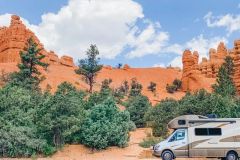 How to Plan an RV Road Trip Through the Southwest U.S.Learn how to plan an RV road trip through the Southwest U.S. with route ideas, camping advice, packing tips, safety planning, and expert travel strategies for an unforgettable adventure.
 RV Essentials You Should Always Keep OnboardDiscover the RV essentials you should always keep onboard for safer and more comfortable trips. Learn which tools, supplies, and accessories every RV owner needs before hitting the road.
 Essential First Aid Tips Every Camper Should KnowLearn essential first aid tips every camper should know, including injury prevention, emergency response steps, first aid kit preparation, and outdoor safety advice for every adventure.
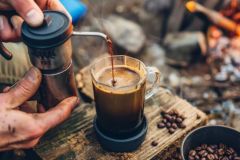 Campfire Coffee Brewing Methods Every Camper Should TryDiscover the best Campfire Coffee brewing methods for campers, from classic cowboy coffee to pour-over techniques, with expert tips for making great coffee outdoors.
 How to Maintain Comfort While Dry Camping in Cold WeatherLearn how to maintain comfort while dry camping in cold weather with practical insulation tips, gear strategies, real camping stories, and expert advice for safe winter outdoor adventures.
 Campfire Desserts Beyond S’mores: Easy Outdoor Treat IdeasDiscover creative Campfire Desserts That Go Beyond S’mores with easy, fun, and delicious outdoor recipes perfect for family camping nights and unforgettable fire pit moments.