What this guide helps you decide
Use the article to prepare questions, compare public listing details, and avoid choosing a campground from one headline, rating, or search result alone.
- How to Prepare for Camping in Remote Wilderness Areas
- 1. Why Preparation is Crucial for Wilderness Camping
- 2. Essential Camping Gear for Remote Wilderness Areas
- Confirm seasonal access, amenities, fees, reservation rules, and availability with the campground.
- Compare more than one listing when the decision affects safety, cost, or travel time.
- Use public ratings and photos as signals, not guarantees.
How to Prepare for Camping in Remote Wilderness Areas
- 1. Why Preparation is Crucial for Wilderness Camping
- 2. Essential Camping Gear for Remote Wilderness Areas
- 3. Planning Your Route and Ensuring Safety
- 4. How to Handle Wildlife During Wilderness Camping
Camping in remote wilderness areas can be an incredible experience that offers serenity, adventure, and an escape from the modern world. However, it requires a high level of preparation. In these environments, you’ll be far away from the convenience of stores, phone service, and help, so proper planning is essential to ensure your safety and enjoyment. This article will guide you through the necessary steps to prepare for such an adventure.
1. Why Preparation is Crucial for Wilderness Camping
When you choose to camp in remote wilderness areas, you are entering a harsh environment that requires careful preparation. Unlike campgrounds near cities, wilderness areas often lack basic amenities and resources. Factors like weather conditions, wildlife encounters, and potential emergencies can arise, making it vital to be prepared. A lack of preparation can lead to dangerous situations, such as getting lost, running out of food, or dealing with harsh weather without proper shelter.
2. Essential Camping Gear for Remote Wilderness Areas
To ensure a successful wilderness camping experience, you need to pack the right gear. Here's a list of essential items to bring:
2.1 Shelter and Sleeping Gear
Your shelter is one of the most important aspects of camping. In remote wilderness areas, a high-quality tent that can withstand strong winds and rain is a must. Be sure to choose a sleeping bag suited for the temperature range you expect to encounter. A sleeping pad will provide comfort and insulation from the ground, making your sleep much more pleasant.
2.2 Food and Water
Carry non-perishable food items that are lightweight and easy to prepare. Freeze-dried meals, energy bars, and trail mix are great options. Water is critical in wilderness areas, so bring enough for your trip or have a reliable water filtration system to purify natural water sources.
2.3 Clothing and Footwear
Weather in remote wilderness areas can change rapidly. Layering is key, so bring moisture-wicking clothing, an insulating layer, and a waterproof jacket. Sturdy hiking boots and gaiters are essential to protect your feet from rough terrain and water.
2.4 Navigation Tools
A map, compass, and GPS device are essential for navigation. Wilderness areas can be tricky to navigate, so it’s important to have reliable tools to help you stay on track. Learn how to read topographic maps and use a compass before heading out.
3. Planning Your Route and Ensuring Safety
Before embarking on your wilderness adventure, it’s crucial to plan your route and prepare for any potential safety issues.
3.1 Research the Area
Know the terrain, climate, and potential hazards of the area. Research trail conditions, available water sources, and the types of wildlife you may encounter. The more you understand the environment, the better you can prepare for what lies ahead.
3.2 Leave an Itinerary
Always let someone know your planned route, expected arrival time, and when you plan to return. This way, if something goes wrong, someone can alert authorities.
3.3 Emergency Preparedness
Pack a first-aid kit with essential supplies. Learn basic first-aid skills, and consider taking a wilderness first-aid course. It's also a good idea to bring an emergency beacon or satellite phone for communication in case of an emergency.
4. How to Handle Wildlife During Wilderness Camping
Wildlife encounters are common in remote wilderness areas. Here’s how to stay safe:
4.1 Store Food Properly
Wild animals are often attracted to human food, so store your food in bear-proof containers or hang it high in trees. Never leave food unattended and clean up after every meal.
4.2 Understand Wildlife Behavior
Learn about the animals you may encounter. For example, knowing how to behave during a bear encounter can prevent dangerous situations. Keep a safe distance, and do not attempt to feed wildlife.
4.3 Use Repellents
In some areas, insects such as mosquitoes and ticks can be a problem. Bring insect repellent and wear protective clothing to prevent bites. Tick checks are especially important in areas where Lyme disease is prevalent.
Camping in remote wilderness areas can be a thrilling and rewarding experience. However, it requires proper preparation and respect for the environment. By packing the right gear, planning your route, and taking safety precautions, you can have a safe and memorable adventure. For additional resources and recommendations on camping gear and expert advice, visit Camp Spotter for the best options available.
Related Camping Guides
Keep reading if you are comparing destinations, amenities, access, reservation questions, or listing quality.
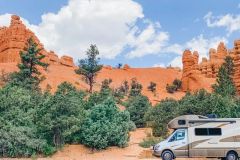 How to Plan an RV Road Trip Through the Southwest U.S.Learn how to plan an RV road trip through the Southwest U.S. with route ideas, camping advice, packing tips, safety planning, and expert travel strategies for an unforgettable adventure.
 RV Essentials You Should Always Keep OnboardDiscover the RV essentials you should always keep onboard for safer and more comfortable trips. Learn which tools, supplies, and accessories every RV owner needs before hitting the road.
 Essential First Aid Tips Every Camper Should KnowLearn essential first aid tips every camper should know, including injury prevention, emergency response steps, first aid kit preparation, and outdoor safety advice for every adventure.
 Campfire Coffee Brewing Methods Every Camper Should TryDiscover the best Campfire Coffee brewing methods for campers, from classic cowboy coffee to pour-over techniques, with expert tips for making great coffee outdoors.
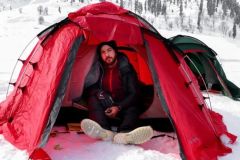 How to Maintain Comfort While Dry Camping in Cold WeatherLearn how to maintain comfort while dry camping in cold weather with practical insulation tips, gear strategies, real camping stories, and expert advice for safe winter outdoor adventures.
 Campfire Desserts Beyond S’mores: Easy Outdoor Treat IdeasDiscover creative Campfire Desserts That Go Beyond S’mores with easy, fun, and delicious outdoor recipes perfect for family camping nights and unforgettable fire pit moments.