What this guide helps you decide
Use the article to prepare questions, compare public listing details, and avoid choosing a campground from one headline, rating, or search result alone.
- 1. How to Plan a Multi-State RV Camping Trip
- 2. Steps to Planning Your RV Camping Trip
- 3. Packing and Preparing Your RV for the Trip
- Confirm seasonal access, amenities, fees, reservation rules, and availability with the campground.
- Compare more than one listing when the decision affects safety, cost, or travel time.
- Use public ratings and photos as signals, not guarantees.
1. How to Plan a Multi-State RV Camping Trip
Planning a multi-state RV camping trip is an exciting way to explore the open road and discover new destinations. Whether you're looking to enjoy the great outdoors, visit national parks, or experience local cultures, a multi-state road trip in an RV offers flexibility, adventure, and the comfort of home on wheels. However, planning such a journey requires careful preparation to ensure a smooth and enjoyable experience. In this article, we’ll provide expert tips and advice for planning a successful multi-state RV camping trip.
2. Steps to Planning Your RV Camping Trip
Successfully planning a multi-state RV camping trip involves several key steps, from deciding on your route to choosing the best campsites. Here are the essential steps for getting started:
1. Choose Your Destination and Route
The first step in planning your RV trip is deciding where you want to go. Do you want to explore national parks, visit iconic cities, or travel along scenic byways? Once you’ve selected your destinations, map out the route you’ll take. Use tools like Google Maps or RV-specific apps that can suggest the best roads for RV travel and avoid low clearances or difficult terrain.
2. Choose the Right RV
Choosing the right RV is crucial for a comfortable and successful trip. Whether you're renting or owning an RV, make sure it suits your travel needs. Consider the size of your party, the amenities you’ll need, and the type of terrain you’ll encounter. If you're traveling through mountainous regions or plan to stay in remote areas, make sure your RV is equipped for the conditions.
3. Plan Your Stops and Campsites
Once your route is set, research RV-friendly campsites along the way. Look for campgrounds with amenities such as electrical hookups, water, and waste disposal. Be sure to book campsites in advance, especially during peak travel seasons. Apps like Campendium and Good Sam offer comprehensive listings of campgrounds and RV parks with reviews from fellow travelers. Don't forget to check out any free camping options like national forests or Bureau of Land Management (BLM) land!
4. Check Local Regulations
Each state has different laws regarding RV travel and camping. Make sure you’re aware of any specific regulations for RV parking, waste disposal, and fire restrictions. Check with local authorities and the campgrounds for any special rules to avoid surprises during your trip. Also, if you’re traveling with pets, ensure the campsites are pet-friendly.
3. Packing and Preparing Your RV for the Trip
Before hitting the road, you'll need to pack and prepare your RV for the journey. Here's a checklist of what to bring:
a. Essential Gear for the Trip
- Food and cooking supplies: Stock your RV with non-perishable food, cooking equipment, and utensils. Many RVs have fully equipped kitchens, so make sure to bring your favorite cooking essentials.
- Clothing and gear: Pack clothing for various weather conditions, especially if you plan to travel through diverse climates. Don't forget hiking gear, sunscreen, and insect repellent.
- Technology and entertainment: Bring chargers, portable Wi-Fi, and entertainment like books, board games, or outdoor equipment like bikes or kayaks.
b. Check Vehicle Readiness
Make sure your RV is in top condition before hitting the road. This includes checking tire pressure, oil levels, brakes, and lights. If you’re renting an RV, ask for a thorough walkthrough of the vehicle and its features. Ensuring everything is in working order will help avoid issues down the road.
4. On the Road: Tips for a Successful Trip
While on the road, it's important to stay flexible and prepared for anything. Here are some tips to make the most of your multi-state RV adventure:
a. Make Daily Plans, but Allow Flexibility
It's a good idea to plan your daily stops and activities in advance, but also leave room for spontaneity. You might find an unexpected scenic route or a hidden gem of a campground. Flexibility is one of the biggest advantages of RV travel!
b. Keep an Eye on Weather Conditions
Weather can change quickly, especially in certain areas of the country. Be sure to check weather forecasts regularly and adjust your plans if necessary. If you're heading through mountain regions or areas prone to storms, it's wise to have a backup plan in case of bad weather.
c. Engage with Other RV Enthusiasts
RV travelers often share valuable tips and recommendations with fellow campers. Take the time to chat with others at campsites or on the road to learn about great places to visit, camp, and eat. Joining RV communities or groups online can also help you connect with other travelers and get advice from experienced road trippers.
5. Making the Most of Your Multi-State RV Camping Trip
Multi-state RV trips offer endless opportunities for adventure, relaxation, and discovery. Take time to explore local attractions, sample regional cuisines, and immerse yourself in the culture of each state. Whether you're visiting iconic landmarks or finding hidden treasures along the way, your journey will be one to remember!
For a successful and enjoyable RV camping experience, visit Camp Spotter to find the best campsites, RV rental services, and camping gear for your trip.
Related Camping Guides
Keep reading if you are comparing destinations, amenities, access, reservation questions, or listing quality.
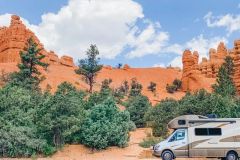 How to Plan an RV Road Trip Through the Southwest U.S.Learn how to plan an RV road trip through the Southwest U.S. with route ideas, camping advice, packing tips, safety planning, and expert travel strategies for an unforgettable adventure.
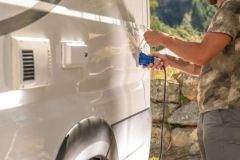 RV Essentials You Should Always Keep OnboardDiscover the RV essentials you should always keep onboard for safer and more comfortable trips. Learn which tools, supplies, and accessories every RV owner needs before hitting the road.
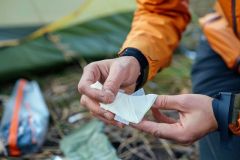 Essential First Aid Tips Every Camper Should KnowLearn essential first aid tips every camper should know, including injury prevention, emergency response steps, first aid kit preparation, and outdoor safety advice for every adventure.
 Campfire Coffee Brewing Methods Every Camper Should TryDiscover the best Campfire Coffee brewing methods for campers, from classic cowboy coffee to pour-over techniques, with expert tips for making great coffee outdoors.
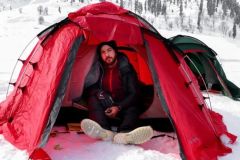 How to Maintain Comfort While Dry Camping in Cold WeatherLearn how to maintain comfort while dry camping in cold weather with practical insulation tips, gear strategies, real camping stories, and expert advice for safe winter outdoor adventures.
 Campfire Desserts Beyond S’mores: Easy Outdoor Treat IdeasDiscover creative Campfire Desserts That Go Beyond S’mores with easy, fun, and delicious outdoor recipes perfect for family camping nights and unforgettable fire pit moments.