What this guide helps you decide
Use the article to prepare questions, compare public listing details, and avoid choosing a campground from one headline, rating, or search result alone.
- 1. Introduction to Camping at National Monuments
- 2. Planning Your Trip: Key Considerations
- 3. Essential Gear for a National Monument Camping Trip
- Confirm seasonal access, amenities, fees, reservation rules, and availability with the campground.
- Compare more than one listing when the decision affects safety, cost, or travel time.
- Use public ratings and photos as signals, not guarantees.
- 1. Introduction to Camping at National Monuments
- 2. Planning Your Trip: Key Considerations
- 3. Essential Gear for a National Monument Camping Trip
- 4. Expert Tips for Camping in National Monuments
- 5. Real-World Case Study: Successful Camping in National Monuments
1. Introduction to Camping at National Monuments
Camping at national monuments offers a unique and enriching experience, allowing you to connect with nature while exploring some of the most iconic and preserved landscapes in the country. From towering rock formations to expansive deserts, national monuments provide the perfect backdrop for a memorable camping trip. Understanding the benefits and challenges of camping in these stunning locations is essential for planning a successful adventure.
2. Planning Your Trip: Key Considerations
When planning your camping trip to a national monument, there are several factors to keep in mind to ensure a smooth and enjoyable experience. Proper planning can make a world of difference in how much you enjoy your trip.
1. Research the Monument
Before heading out, research the national monument you plan to visit. Each monument is unique, with its own terrain, climate, and regulations. Make sure to check if the monument offers campgrounds, and whether reservations are required. Some national monuments also have specific guidelines about campfires, wildlife, and Leave No Trace principles, which are crucial to know before you arrive.
2. Consider the Time of Year
The time of year can drastically affect your camping experience. Some national monuments, such as those in desert areas, can be unbearably hot in the summer months. Others, like those in mountainous regions, may experience harsh winters. Be sure to choose a time that aligns with the weather conditions you prefer. Spring and fall are often the best seasons for camping in most national monuments due to moderate temperatures and fewer crowds.
3. Plan Your Route and Distance
While some national monuments are easily accessible by car, others may require more effort to reach. Be sure to plan your route in advance, especially if you’re heading to more remote monuments. Ensure you have a reliable map, GPS device, and any necessary permits to access hiking trails or backcountry areas. Consider how far you're willing to travel and plan accordingly.
3. Essential Gear for a National Monument Camping Trip
Having the right gear is key to ensuring your camping trip to a national monument is comfortable and safe. The harsh environments of many national monuments require special attention to the equipment you bring.
1. Weather-Appropriate Clothing
Depending on the location, you'll need clothing that can handle extreme temperatures. For desert monuments, pack light, breathable clothes and a wide-brimmed hat to protect yourself from the sun. In colder regions, layers are essential for warmth, along with insulated jackets and gloves. Always check the forecast to prepare appropriately.
2. High-Quality Tent
A sturdy, weather-resistant tent is essential when camping at national monuments. Some areas may experience gusty winds, while others could have heavy rainfall. Choose a tent that’s rated for the conditions you're likely to face, with features like water resistance and wind stability. Look for tents with strong poles and a full rainfly to protect you from the elements.
3. Reliable Cooking Gear
Depending on where you camp, access to firewood or fuel may be limited. Make sure you bring a portable stove and cooking utensils. Gas stoves are often the easiest option for cooking in remote areas. Pack enough food for the duration of your trip and ensure you have a way to store food safely from wildlife.
4. Expert Tips for Camping in National Monuments
Here are some expert tips to ensure you have a safe and enjoyable camping experience in national monuments:
1. Follow Leave No Trace Principles
When camping in national monuments, it's essential to follow Leave No Trace principles. Always pack out what you pack in, avoid damaging vegetation, and stay on designated trails. This helps preserve the beauty of these sites for future generations.
2. Stay Hydrated
Many national monuments, particularly those in desert areas, have limited water sources. Carry plenty of water with you, especially if you’re venturing into remote areas. Consider bringing a water purification system or iodine tablets in case you need to source water along the way.
3. Respect Wildlife
National monuments often serve as habitats for a variety of wildlife. Keep a safe distance from animals, never feed them, and store your food securely to avoid attracting wildlife to your camp. Being respectful of nature ensures that you and the animals stay safe.
5. Real-World Case Study: Successful Camping in National Monuments
On a recent camping trip to the Grand Canyon National Monument, our group followed these guidelines to ensure a successful and enjoyable adventure. We researched the area beforehand and found that late spring was the best time for our trip due to moderate temperatures. We arrived prepared with weather-appropriate clothing, a reliable tent, and a portable stove for cooking. The group followed Leave No Trace principles, and we were able to enjoy the stunning views while maintaining our responsibility to the environment.
For additional information on gear and planning tips, visit Camp Spotter for a curated selection of the best camping products and services.
Related Camping Guides
Keep reading if you are comparing destinations, amenities, access, reservation questions, or listing quality.
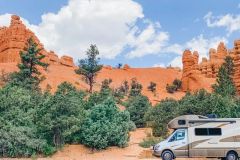 How to Plan an RV Road Trip Through the Southwest U.S.Learn how to plan an RV road trip through the Southwest U.S. with route ideas, camping advice, packing tips, safety planning, and expert travel strategies for an unforgettable adventure.
 RV Essentials You Should Always Keep OnboardDiscover the RV essentials you should always keep onboard for safer and more comfortable trips. Learn which tools, supplies, and accessories every RV owner needs before hitting the road.
 Essential First Aid Tips Every Camper Should KnowLearn essential first aid tips every camper should know, including injury prevention, emergency response steps, first aid kit preparation, and outdoor safety advice for every adventure.
 Campfire Coffee Brewing Methods Every Camper Should TryDiscover the best Campfire Coffee brewing methods for campers, from classic cowboy coffee to pour-over techniques, with expert tips for making great coffee outdoors.
 How to Maintain Comfort While Dry Camping in Cold WeatherLearn how to maintain comfort while dry camping in cold weather with practical insulation tips, gear strategies, real camping stories, and expert advice for safe winter outdoor adventures.
 Campfire Desserts Beyond S’mores: Easy Outdoor Treat IdeasDiscover creative Campfire Desserts That Go Beyond S’mores with easy, fun, and delicious outdoor recipes perfect for family camping nights and unforgettable fire pit moments.