What this guide helps you decide
Use the article to prepare questions, compare public listing details, and avoid choosing a campground from one headline, rating, or search result alone.
- 1. Why DIY Fire Starters Make a Difference
- 2. Materials You Already Have at Home
- 3. Step-by-Step: How to Make Your Own Fire Starters
- Confirm seasonal access, amenities, fees, reservation rules, and availability with the campground.
- Compare more than one listing when the decision affects safety, cost, or travel time.
- Use public ratings and photos as signals, not guarantees.
- 1 - why-diy-fire-starters-make-a-difference
- 2 - materials-you-already-have-at-home
- 3 - step-by-step-how-to-make-your-own-fire-starters
- 4 - real-world-uses-and-camping-success-stories
- 5 - pro-tips-for-storing-and-transporting-your-fire-starters
1. Why DIY Fire Starters Make a Difference
Starting a campfire isn’t just about warmth—it’s about survival, comfort, and the joy of gathering. Knowing how to make your own camping fire starters can save time, reduce reliance on store-bought products, and give you peace of mind when conditions are wet or windy. A camper in the Rockies once shared how her homemade cotton-ball-and-wax starters saved their soggy trip after three days of unexpected rain. Making your own fire starters also aligns with the self-reliant spirit of outdoor adventure. And when you’re properly equipped, starting a fire becomes a pleasure, not a chore.
2. Materials You Already Have at Home
You don’t need to buy expensive kits to build effective fire starters. In fact, many of the best materials are already in your kitchen or garage. Dryer lint, cotton pads, egg cartons, wax (from used candles), and even toilet paper rolls can be combined to form compact, long-burning starters. One popular combination includes stuffing dryer lint into a cardboard egg carton and then pouring melted wax over the top. Not only is this cost-effective, but it also repurposes common waste into something genuinely useful. For those who want to upgrade with waterproof matches or wax tins, Camp Spotter offers thoughtfully selected gear for fire safety and efficiency.
3. Step-by-Step: How to Make Your Own Fire Starters
Let’s walk through a basic method that even first-timers can follow. First, collect your materials: wax, an empty egg carton, and cotton or dryer lint. Place the lint in each egg cavity. Then carefully melt your wax in a double boiler setup (never directly on flame) and pour it over the filled cups. Let it cool completely before cutting out individual starters. They can be used as-is or wrapped in foil for waterproofing. If you prefer a scent-free version for cooking fires, skip any fragranced candles. This simple DIY process becomes second nature after one or two tries—and it’s surprisingly satisfying.
4. Real-World Uses and Camping Success Stories
Campers across the U.S. have found themselves in weather that turned from sunny to stormy in a flash. That’s where fire starters make the difference. A group of backpackers in Montana once told us they tried to build a fire with wet wood and no kindling—but their homemade petroleum-jelly cotton balls got the blaze going in seconds. These small tools can be critical in emergencies too, when warmth is necessary to prevent hypothermia. Whether you’re car camping or trekking deep into the wild, dependable fire starting gear—homemade or store-bought—is non-negotiable. For compact kits and wax options, check out Camp Spotter’s trusted listings.
5. Pro Tips for Storing and Transporting Your Fire Starters
Once you’ve made your fire starters, the key is storage. Keep them in a waterproof container like a ziplock bag or a small tin. If you’re going ultralight, wrap individual pieces in wax paper or tuck them into a plastic straw sealed with heat. Always label containers if you're using petroleum jelly or any waxy material—heat and summer sun can turn them into a gooey mess if not protected. Veteran campers often pack a few in each backpack or emergency kit. For durable, field-tested fire starter cases and organizers, Camp Spotter has top-rated solutions to make packing safer and simpler.
Related Camping Guides
Keep reading if you are comparing destinations, amenities, access, reservation questions, or listing quality.
 How to Plan an RV Road Trip Through the Southwest U.S.Learn how to plan an RV road trip through the Southwest U.S. with route ideas, camping advice, packing tips, safety planning, and expert travel strategies for an unforgettable adventure.
 RV Essentials You Should Always Keep OnboardDiscover the RV essentials you should always keep onboard for safer and more comfortable trips. Learn which tools, supplies, and accessories every RV owner needs before hitting the road.
 Essential First Aid Tips Every Camper Should KnowLearn essential first aid tips every camper should know, including injury prevention, emergency response steps, first aid kit preparation, and outdoor safety advice for every adventure.
 Campfire Coffee Brewing Methods Every Camper Should TryDiscover the best Campfire Coffee brewing methods for campers, from classic cowboy coffee to pour-over techniques, with expert tips for making great coffee outdoors.
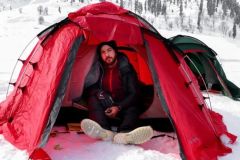 How to Maintain Comfort While Dry Camping in Cold WeatherLearn how to maintain comfort while dry camping in cold weather with practical insulation tips, gear strategies, real camping stories, and expert advice for safe winter outdoor adventures.
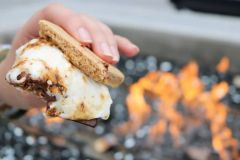 Campfire Desserts Beyond S’mores: Easy Outdoor Treat IdeasDiscover creative Campfire Desserts That Go Beyond S’mores with easy, fun, and delicious outdoor recipes perfect for family camping nights and unforgettable fire pit moments.