What this guide helps you decide
Use the article to prepare questions, compare public listing details, and avoid choosing a campground from one headline, rating, or search result alone.
- 1. Why Wildlife Encounters Matter
- 2. Understanding Animal Behavior in the Wild
- 3. Preventing Encounters with Smart Camping Habits
- Confirm seasonal access, amenities, fees, reservation rules, and availability with the campground.
- Compare more than one listing when the decision affects safety, cost, or travel time.
- Use public ratings and photos as signals, not guarantees.
- 1 - why-wildlife-encounters-matter
- 2 - understanding-animal-behavior-in-the-wild
- 3 - preventing-encounters-with-smart-camping-habits
- 4 - what-to-do-when-you-see-a-bear
- 5 - safe-approach-if-you-spot-a-snake
- 6 - dealing-with-raccoons-and-small-mammals
- 7 - nighttime-safety-and-wildlife-awareness
- 8 - real-camper-experiences-and-mistakes-to-avoid
- 9 - camp-spotter-tools-and-training-gear
1. Why Wildlife Encounters Matter
Whether you're camping in Yellowstone or your local state park, wildlife encounters are part of the outdoor experience. But they’re not just thrilling—they can be dangerous if you're unprepared. Understanding how to deal with wildlife encounters safely can prevent injuries, avoid unnecessary animal stress, and help preserve the natural balance of our shared spaces.
2. Understanding Animal Behavior in the Wild
Wild animals behave predictably when undisturbed. Bears follow food scents, snakes seek warm sunlit spots, and deer flee at sudden movement. Knowing these instincts helps you anticipate and prevent conflict. For instance, if you hike through tall grass in summer, you're entering prime snake territory. Tread with care, speak out loud, and stay on trails to reduce surprise encounters.
3. Preventing Encounters with Smart Camping Habits
The safest wildlife encounter is the one you avoid. Keep a clean camp—store food in bear-proof containers or suspended from a tree when necessary. Avoid cooking close to your sleeping area, and never leave food scraps around. One camper in Yosemite shared how forgetting to clean a pot outside led to a curious raccoon chewing through their tent wall. Prevention matters.
4. What to Do When You See a Bear
Seeing a bear up close can be breathtaking—or terrifying. Stay calm. Do not run. Stand tall, speak in a calm voice, and slowly back away. If it approaches, use bear spray as a deterrent. In grizzly country, always hike in groups and carry bear spray within arm’s reach—not buried in your bag. Remember: bears typically avoid people unless surprised or baited by food.
5. Safe Approach if You Spot a Snake
Snakes aren’t aggressive unless threatened. If you see one, give it space and back away slowly. Use trekking poles to poke ahead when walking through brush. Campers in the Southwest often encounter rattlesnakes sunning on rocks. Don’t disturb them—just admire from a distance. Wearing boots and long pants helps prevent bites during hikes through desert or forest terrain.
6. Dealing with Raccoons and Small Mammals
These animals are the most frequent campsite visitors. Raccoons, skunks, and even squirrels can damage gear or spread disease. Use sealed containers and avoid feeding any animal. It may seem harmless, but human-fed animals become aggressive or lose survival instincts. One camper at Olympic National Park reported a raccoon unzipping their pack in search of trail mix—cute, but dangerous behavior learned from careless visitors.
7. Nighttime Safety and Wildlife Awareness
Many animals are nocturnal. Use red light headlamps to reduce disruption while remaining visible to others. Avoid hiking at night in areas known for larger predators like mountain lions. Store scented items—including toothpaste—far from your sleeping area. Choose noise-making gear or motion sensor lights to alert you of nearby wildlife while sleeping under the stars.
8. Real Camper Experiences and Mistakes to Avoid
A family camping in Grand Teton left snacks in their tent “just for a moment” while they explored a nearby creek. They returned to find a black bear tearing through their gear. Another hiker in Arizona stepped off trail for a shortcut and nearly stepped on a diamondback. These stories serve as real reminders that safety habits aren't optional—they’re essential.
9. Camp Spotter Tools and Training Gear
Preparation is your best defense. At Camp Spotter, you can find essentials like bear spray holsters, odor-proof storage bags, wildlife-safe trash containers, and books on animal behavior. We also feature tips on local wildlife conditions for different campgrounds so you can plan accordingly. Equip yourself with the right tools and knowledge—and you’ll enjoy nature without risking safety.
Related Camping Guides
Keep reading if you are comparing destinations, amenities, access, reservation questions, or listing quality.
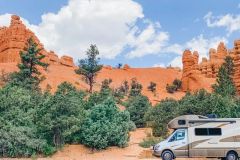 How to Plan an RV Road Trip Through the Southwest U.S.Learn how to plan an RV road trip through the Southwest U.S. with route ideas, camping advice, packing tips, safety planning, and expert travel strategies for an unforgettable adventure.
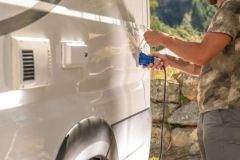 RV Essentials You Should Always Keep OnboardDiscover the RV essentials you should always keep onboard for safer and more comfortable trips. Learn which tools, supplies, and accessories every RV owner needs before hitting the road.
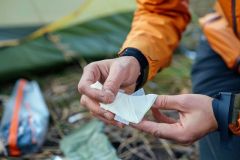 Essential First Aid Tips Every Camper Should KnowLearn essential first aid tips every camper should know, including injury prevention, emergency response steps, first aid kit preparation, and outdoor safety advice for every adventure.
 Campfire Coffee Brewing Methods Every Camper Should TryDiscover the best Campfire Coffee brewing methods for campers, from classic cowboy coffee to pour-over techniques, with expert tips for making great coffee outdoors.
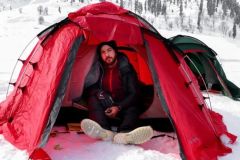 How to Maintain Comfort While Dry Camping in Cold WeatherLearn how to maintain comfort while dry camping in cold weather with practical insulation tips, gear strategies, real camping stories, and expert advice for safe winter outdoor adventures.
 Campfire Desserts Beyond S’mores: Easy Outdoor Treat IdeasDiscover creative Campfire Desserts That Go Beyond S’mores with easy, fun, and delicious outdoor recipes perfect for family camping nights and unforgettable fire pit moments.