What this guide helps you decide
Use the article to prepare questions, compare public listing details, and avoid choosing a campground from one headline, rating, or search result alone.
- 1. Understanding Sleeping Bag Temperature Ratings
- 2. Key Factors That Affect Temperature Needs
- 3. Matching Temperature Rating to Your Adventure
- Confirm seasonal access, amenities, fees, reservation rules, and availability with the campground.
- Compare more than one listing when the decision affects safety, cost, or travel time.
- Use public ratings and photos as signals, not guarantees.
- understanding-sleeping-bag-temperature-ratings - Understanding Sleeping Bag Temperature Ratings
- key-factors-that-affect-temperature-needs - Key Factors That Affect Temperature Needs
- matching-temperature-rating-to-your-adventure - Matching Temperature Rating to Your Adventure
- real-world-camping-scenarios - Real-World Camping Scenarios
- tips-for-choosing-the-right-sleeping-bag - Tips for Choosing the Right Sleeping Bag
1. Understanding Sleeping Bag Temperature Ratings
When you're preparing for a night outdoors, few decisions are as crucial as picking the right sleeping bag. And at the heart of that decision is one core question: how to choose the right sleeping bag temperature rating. A temperature rating indicates the lowest temperature at which the bag will keep the average sleeper comfortable.
These ratings are usually tested under the EN (European Norm) or ISO standards, offering two key benchmarks:
- Comfort Rating: The temperature at which a “cold sleeper” can expect to feel comfortable.
- Lower Limit: The temperature at which a “warm sleeper” can remain comfortable for a night.
Understanding these terms is key. If you're unsure, always go for the comfort rating—it’s the safer bet for a pleasant night under the stars.
2. Key Factors That Affect Temperature Needs
The rating printed on a sleeping bag is only part of the story. In real-world conditions, your personal comfort level will depend on a variety of factors:
- Gender and metabolism: Women and people with lower metabolisms tend to sleep colder.
- Altitude and humidity: Higher altitudes and damp environments can make it feel much colder than the forecasted temperature.
- Insulation type: Down sleeping bags insulate differently than synthetic ones, especially when wet.
- Clothing and sleeping pad: Wearing thermal layers and using a quality pad can add precious degrees to your warmth.
Consider all these factors before locking in your purchase. A good sleeping bag is more than just its number.
3. Matching Temperature Rating to Your Adventure
If you're camping in mild summer weather, a 30°F to 50°F sleeping bag should suffice. But for shoulder seasons—like spring or fall in the mountains—you’ll want something in the 15°F to 30°F range. For winter adventures, or alpine treks where temps may drop below freezing, look for 0°F bags or lower.
Remember: it’s easier to unzip a too-warm bag than to fight the cold with an underperforming one. In colder months, consider bags with draft collars, hoods, and mummy shapes to trap heat effectively.
For a curated list of sleeping bags across all temperature categories, visit Camp Spotter—a trusted source for outdoor gear that actually matches your conditions.
4. Real-World Camping Scenarios
Sarah, a solo camper from Utah, learned this the hard way. She brought a 40°F bag to a desert camp where temperatures unexpectedly dipped to 25°F overnight. “I wore every layer I had and still shivered,” she said. “Now, I never go without checking both day and night temperatures—and I carry a 20°F bag just in case.”
On the flip side, Jake from Oregon prefers a 50°F quilt for his summer hikes. “I hate sweating in my sleep. I don’t need fluff—just airflow and light insulation.”
These examples show how diverse the needs are. Your ideal temperature rating is personal, but preparation is universal.
5. Tips for Choosing the Right Sleeping Bag
Here are a few smart steps to help guide your decision:
- Know your cold tolerance: Be honest about whether you sleep cold or hot.
- Factor in seasonal shifts: Don’t trust daytime highs—look at overnight lows.
- Don’t skimp on accessories: A good sleeping pad can make or break your warmth levels.
- Consider versatility: Some bags come with zip-off layers or convertible designs for changing conditions.
Most importantly, test your gear before your big trip. Even a backyard trial run can help you understand what temperature rating you really need.
For expert recommendations and tested options, Camp Spotter is a go-to destination for comparing brands, reading real reviews, and discovering sleeping bags that deliver performance, not just promises.
Related Camping Guides
Keep reading if you are comparing destinations, amenities, access, reservation questions, or listing quality.
 How to Plan an RV Road Trip Through the Southwest U.S.Learn how to plan an RV road trip through the Southwest U.S. with route ideas, camping advice, packing tips, safety planning, and expert travel strategies for an unforgettable adventure.
 RV Essentials You Should Always Keep OnboardDiscover the RV essentials you should always keep onboard for safer and more comfortable trips. Learn which tools, supplies, and accessories every RV owner needs before hitting the road.
 Essential First Aid Tips Every Camper Should KnowLearn essential first aid tips every camper should know, including injury prevention, emergency response steps, first aid kit preparation, and outdoor safety advice for every adventure.
 Campfire Coffee Brewing Methods Every Camper Should TryDiscover the best Campfire Coffee brewing methods for campers, from classic cowboy coffee to pour-over techniques, with expert tips for making great coffee outdoors.
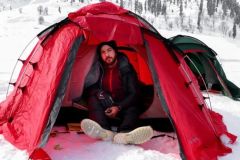 How to Maintain Comfort While Dry Camping in Cold WeatherLearn how to maintain comfort while dry camping in cold weather with practical insulation tips, gear strategies, real camping stories, and expert advice for safe winter outdoor adventures.
 Campfire Desserts Beyond S’mores: Easy Outdoor Treat IdeasDiscover creative Campfire Desserts That Go Beyond S’mores with easy, fun, and delicious outdoor recipes perfect for family camping nights and unforgettable fire pit moments.