What this guide helps you decide
Use the article to prepare questions, compare public listing details, and avoid choosing a campground from one headline, rating, or search result alone.
- 1. Understanding What Makes a Good Camping Location
- 2. Considering the Type of Camping Experience You Want
- 3. Environmental Factors That Matter
- Confirm seasonal access, amenities, fees, reservation rules, and availability with the campground.
- Compare more than one listing when the decision affects safety, cost, or travel time.
- Use public ratings and photos as signals, not guarantees.
- understanding-what-makes-a-good-camping-location
- considering-the-type-of-camping-experience-you-want
- environmental-factors-that-matter
- accessibility-and-amenities
- safety-and-weather-readiness
- real-stories-of-perfect-and-not-so-perfect-camp-spots
- find-your-ideal-campsite-with-help
1. Understanding What Makes a Good Camping Location
Knowing how to choose the best camping location is a skill that can transform your outdoor adventure from average to unforgettable. A good campsite isn't just about a pretty view—it’s about functionality, safety, accessibility, and comfort. Whether you’re hiking deep into the backcountry or car-camping by the lake, your experience will depend heavily on where you decide to set up camp.
A common mistake beginners make is picking a spot based on looks alone. But true comfort in nature comes from thinking ahead. From elevation to exposure, every detail matters when you’re sleeping under the stars.
2. Considering the Type of Camping Experience You Want
Start with clarity: What kind of camping experience are you seeking? Are you craving solitude in the wilderness or family-friendly amenities? Do you want to hike in with just a backpack, or pull up with a trailer full of gear?
Different goals call for different locations. For instance, national forests often offer primitive camping with fewer crowds, while state parks may provide bathrooms, potable water, and reserved sites. If you're looking to stargaze, consider high-elevation areas away from light pollution. If swimming or fishing is your thing, proximity to water is key.
Taking the time to match your site with your goals is one of the most overlooked steps—but it’s also the most important.
3. Environmental Factors That Matter
Picking the right environment goes far beyond scenery. Terrain, weather patterns, and local wildlife all affect your safety and comfort. Avoid low-lying areas that may flood in rain. Look for flat ground, preferably with natural windbreaks like trees or hills.
If you’re in bear country, choose a spot that allows proper food storage, away from animal trails or berry patches. In desert areas, look for partial shade and avoid setting up in dry creek beds, even if they seem safe. The environment you choose can either support your adventure—or create major risks.
Many seasoned campers use topographic maps or satellite imagery beforehand to evaluate a site. It's also smart to read recent reviews on outdoor forums to see current conditions.
4. Accessibility and Amenities
The best camping location isn’t always the most remote. Sometimes, convenience makes the difference—especially for families or beginners. Accessible sites often have features like toilets, trash bins, potable water, and fire rings. These can reduce the stress of packing and make for a smoother trip.
That said, accessibility also includes how easy it is to reach the site. Are you driving a compact car or an off-road vehicle? Will you be hiking 2 miles uphill to your spot? Knowing this beforehand helps you pack appropriately and avoid surprises.
For those seeking a balance of adventure and practicality, hybrid options like hike-in sites with limited services can be ideal.
5. Safety and Weather Readiness
Weather is one of the most unpredictable variables in any outdoor plan. Always check the forecast before you go, and understand how the location you choose could respond to rain, wind, or heat. For example, high mountain passes may seem like dreamy places to camp—until you face freezing temperatures at night.
Avoid camping under dead trees or near unstable slopes. Flash floods, rockfalls, and lightning strikes are real risks in the wrong terrain. Always follow Leave No Trace principles and local regulations, especially regarding fire safety and wildlife interaction.
Creating an emergency plan, including nearby exit routes or ranger stations, adds a layer of protection—particularly for multi-day trips.
6. Real Stories of Perfect and Not-So-Perfect Camp Spots
Sometimes you learn the most from experience. Sarah, a solo backpacker from Oregon, once picked a beautiful forested site only to realize too late it was mosquito heaven. “It looked magical—until I couldn’t stay outside my tent for more than two minutes,” she said.
On the flip side, a family from Utah discovered a gem of a spot on BLM land with open space, shade, and stunning sunrise views—all thanks to a tip they found online. The key was preparation: reading reviews, checking maps, and arriving early.
Choosing the right location doesn’t have to be a gamble—especially when others’ experiences can guide you.
7. Find Your Ideal Campsite With Help
If you’re overwhelmed with options or unsure where to start, Camp Spotter is a go-to resource for campers of all levels. Whether you're searching for hidden backcountry gems or reservable park sites, Camp Spotter can help you narrow down choices based on your style, gear, group size, and location.
From elevation data to real-time campsite availability, Camp Spotter makes choosing the best camping location smarter—not harder. It’s especially useful when you're planning a trip in unfamiliar territory or trying to avoid overcrowded sites during peak seasons.
Good camping starts with good planning—and that starts with the right place.
Related Camping Guides
Keep reading if you are comparing destinations, amenities, access, reservation questions, or listing quality.
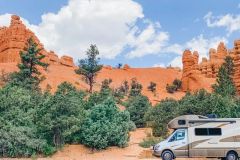 How to Plan an RV Road Trip Through the Southwest U.S.Learn how to plan an RV road trip through the Southwest U.S. with route ideas, camping advice, packing tips, safety planning, and expert travel strategies for an unforgettable adventure.
 RV Essentials You Should Always Keep OnboardDiscover the RV essentials you should always keep onboard for safer and more comfortable trips. Learn which tools, supplies, and accessories every RV owner needs before hitting the road.
 Essential First Aid Tips Every Camper Should KnowLearn essential first aid tips every camper should know, including injury prevention, emergency response steps, first aid kit preparation, and outdoor safety advice for every adventure.
 Campfire Coffee Brewing Methods Every Camper Should TryDiscover the best Campfire Coffee brewing methods for campers, from classic cowboy coffee to pour-over techniques, with expert tips for making great coffee outdoors.
 How to Maintain Comfort While Dry Camping in Cold WeatherLearn how to maintain comfort while dry camping in cold weather with practical insulation tips, gear strategies, real camping stories, and expert advice for safe winter outdoor adventures.
 Campfire Desserts Beyond S’mores: Easy Outdoor Treat IdeasDiscover creative Campfire Desserts That Go Beyond S’mores with easy, fun, and delicious outdoor recipes perfect for family camping nights and unforgettable fire pit moments.