What this guide helps you decide
Use the article to prepare questions, compare public listing details, and avoid choosing a campground from one headline, rating, or search result alone.
- 1. Why “Leave No Trace” Matters in Campfire Building
- 2. Choosing the Right Spot for a Minimal-Impact Campfire
- 3. How to Build a Campfire That Leaves No Trace
- Confirm seasonal access, amenities, fees, reservation rules, and availability with the campground.
- Compare more than one listing when the decision affects safety, cost, or travel time.
- Use public ratings and photos as signals, not guarantees.
- 1-why-leave-no-trace-matters-in-campfire-building
- 2-choosing-the-right-spot-for-a-minimal-impact-campfire
- 3-how-to-build-a-campfire-that-leaves-no-trace
- 4-safety-practices-and-extinguishing-with-care
- 5-tools-and-resources-for-responsible-campers
1. Why “Leave No Trace” Matters in Campfire Building
Building a campfire in the wilderness can be a rewarding part of the outdoor experience, but with great warmth comes great responsibility. The concept of "Leave No Trace" is more than just a philosophy—it's a set of principles designed to preserve natural landscapes. When it comes to fires, this principle ensures that future generations can enjoy the same pristine beauty without the scars of overuse, ash pits, and scorched earth.
Campers who fail to follow leave-no-trace practices risk creating permanent fire rings, damaging soil layers, and starting wildfires. Learning how to build a campfire that leaves no trace is not just about environmental ethics—it’s also about safety and sustainability.
2. Choosing the Right Spot for a Minimal-Impact Campfire
Location is everything. When selecting a spot, always look for designated fire rings or established fire pits. If those aren't available and fires are permitted, choose a spot at least 200 feet away from water sources, trails, and vegetation. Opt for a durable surface such as gravel, sand, or bare soil.
Avoid digging pits or creating new rings—use a fire pan or fire blanket when possible. These tools provide a safe, elevated platform that prevents heat from seeping into the ground, preserving the delicate micro-ecosystems that thrive beneath the soil.
3. How to Build a Campfire That Leaves No Trace
The key to a no-trace fire is preparation and control. Start by gathering only small, dead, and downed wood—never cut branches from live trees. Use sticks no thicker than your wrist, and keep your fire small and manageable.
Create a base using a fire pan or layer of mineral soil or sand. Arrange your tinder and kindling in a teepee or log cabin formation, ignite it carefully, and feed the fire gradually. The goal is a hot, efficient fire that burns cleanly and reduces leftover debris.
An experienced backpacker once shared how, during a thru-hike of the Pacific Crest Trail, they used a portable fire pan and homemade aluminum heat shield. It allowed them to enjoy cozy fires each night without ever leaving behind a mark—a true testament to responsible camping.
4. Safety Practices and Extinguishing With Care
Never leave a campfire unattended. Have water, dirt, or a shovel nearby at all times. When it’s time to extinguish, pour water over the fire, stir the ashes, and pour again until everything is cool to the touch. Test the area with the back of your hand—if it's still warm, keep dousing.
Avoid the common mistake of burying coals, which can stay hot for hours and reignite. Instead, scatter cold ashes away from the site. This last step ensures that you truly leave no evidence of your fire behind.
5. Tools and Resources for Responsible Campers
Modern campers have access to excellent gear that makes low-impact fires easier than ever. Fire pans, collapsible fire pits, titanium shovels, and biodegradable fire starters are just a few items that help balance enjoyment and responsibility.
If you’re new to camping or just want to upgrade your kit for a more eco-friendly approach, check out resources at Camp Spotter. They offer curated selections of gear designed specifically for minimal-impact adventures, perfect for anyone learning how to build a campfire that leaves no trace.
Remember: it’s not about avoiding campfires—it’s about doing them better.
Related Camping Guides
Keep reading if you are comparing destinations, amenities, access, reservation questions, or listing quality.
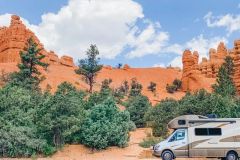 How to Plan an RV Road Trip Through the Southwest U.S.Learn how to plan an RV road trip through the Southwest U.S. with route ideas, camping advice, packing tips, safety planning, and expert travel strategies for an unforgettable adventure.
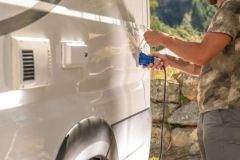 RV Essentials You Should Always Keep OnboardDiscover the RV essentials you should always keep onboard for safer and more comfortable trips. Learn which tools, supplies, and accessories every RV owner needs before hitting the road.
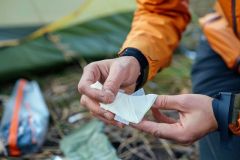 Essential First Aid Tips Every Camper Should KnowLearn essential first aid tips every camper should know, including injury prevention, emergency response steps, first aid kit preparation, and outdoor safety advice for every adventure.
 Campfire Coffee Brewing Methods Every Camper Should TryDiscover the best Campfire Coffee brewing methods for campers, from classic cowboy coffee to pour-over techniques, with expert tips for making great coffee outdoors.
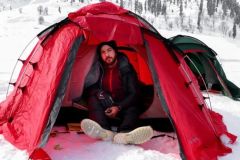 How to Maintain Comfort While Dry Camping in Cold WeatherLearn how to maintain comfort while dry camping in cold weather with practical insulation tips, gear strategies, real camping stories, and expert advice for safe winter outdoor adventures.
 Campfire Desserts Beyond S’mores: Easy Outdoor Treat IdeasDiscover creative Campfire Desserts That Go Beyond S’mores with easy, fun, and delicious outdoor recipes perfect for family camping nights and unforgettable fire pit moments.