What this guide helps you decide
Use the article to prepare questions, compare public listing details, and avoid choosing a campground from one headline, rating, or search result alone.
- 1. The Importance of First Aid Knowledge for Campers
- 2. Must-Have Items for Your Camping First Aid Kit
- 3. Common Camping Injuries and How to Treat Them
- Confirm seasonal access, amenities, fees, reservation rules, and availability with the campground.
- Compare more than one listing when the decision affects safety, cost, or travel time.
- Use public ratings and photos as signals, not guarantees.
- 1. The Importance of First Aid Knowledge for Campers
- 2. Must-Have Items for Your Camping First Aid Kit
- 3. Common Camping Injuries and How to Treat Them
- 4. First Aid Tips for Hiking and Remote Camping
- 5. Final Thoughts: Preparing for Emergencies on Your Camping Trip
1. The Importance of First Aid Knowledge for Campers
When you venture into the wilderness, it's crucial to be prepared for any unexpected injuries or health issues that may arise. Whether you're camping in the woods or hiking a mountain trail, knowing basic first aid can make a significant difference in an emergency situation. Having the right skills and a well-stocked first aid kit can help you manage minor injuries until professional help is available. In some cases, it can even save lives.
2. Must-Have Items for Your Camping First Aid Kit
A well-equipped first aid kit is essential for every camper. Here are some must-have items to include:
- Adhesive bandages: Useful for cuts and abrasions.
- Antiseptic wipes: For cleaning wounds and preventing infection.
- Gauze pads and medical tape: Essential for covering larger wounds and providing compression for bleeding.
- Burn cream or gel: Helps soothe and treat minor burns.
- Pain relievers: Non-prescription medications like ibuprofen or aspirin for managing pain or inflammation.
- Cold pack: For reducing swelling from sprains or insect bites.
- Splints: For stabilizing broken bones or sprains.
- Tweezers: Useful for removing splinters, ticks, or other foreign objects.
- First aid manual: A small guide with instructions on how to handle common injuries.
3. Common Camping Injuries and How to Treat Them
While camping is an enjoyable and rewarding experience, it does come with some risk of injury. Here are some common injuries and how to treat them:
- Scrapes and Cuts: Clean the wound with antiseptic wipes, apply a bandage or gauze, and keep it clean and dry.
- Sprains and Strains: Rest the injured area, apply ice to reduce swelling, and use a splint if necessary. Elevate the limb to minimize swelling.
- Burns: For minor burns, cool the area with cold water, apply burn cream, and cover with a sterile dressing.
- Insect Bites and Stings: Use an antiseptic wipe or cream to clean the bite, and apply an ice pack to reduce swelling. If allergic reactions occur, administer antihistamines if available.
- Dehydration or Heat Exhaustion: Ensure you’re drinking enough water, rest in the shade, and apply a cold compress to your forehead if you're feeling faint or overheated.
4. First Aid Tips for Hiking and Remote Camping
For hikers and those camping in remote areas, first aid becomes even more crucial. Here are some tips for dealing with injuries or emergencies when you're far from help:
- Know Your Route and Location: Always carry a map, compass, or GPS device, and share your route with someone before heading out.
- Practice Prevention: Wear proper footwear, avoid overexertion, and stay hydrated to prevent injuries.
- Stay Calm: In any emergency, staying calm is essential for assessing the situation and making clear decisions.
- Have a Communication Plan: Bring a fully charged phone or satellite messenger for emergency contact, especially if you're camping in remote areas.
5. Final Thoughts: Preparing for Emergencies on Your Camping Trip
Camping and hiking are all about enjoying nature, but it’s important to remember that accidents can happen at any time. By preparing yourself with essential first aid knowledge and a well-stocked first aid kit, you can confidently tackle the outdoors while minimizing risks. Whether you're dealing with a small scrape or a more serious injury, having the right tools and knowledge will make all the difference. For additional camping gear and safety tips, visit Camp Spotter to ensure you're fully prepared for your next adventure.
Related Camping Guides
Keep reading if you are comparing destinations, amenities, access, reservation questions, or listing quality.
 How to Plan an RV Road Trip Through the Southwest U.S.Learn how to plan an RV road trip through the Southwest U.S. with route ideas, camping advice, packing tips, safety planning, and expert travel strategies for an unforgettable adventure.
 RV Essentials You Should Always Keep OnboardDiscover the RV essentials you should always keep onboard for safer and more comfortable trips. Learn which tools, supplies, and accessories every RV owner needs before hitting the road.
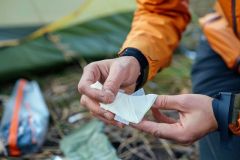 Essential First Aid Tips Every Camper Should KnowLearn essential first aid tips every camper should know, including injury prevention, emergency response steps, first aid kit preparation, and outdoor safety advice for every adventure.
 Campfire Coffee Brewing Methods Every Camper Should TryDiscover the best Campfire Coffee brewing methods for campers, from classic cowboy coffee to pour-over techniques, with expert tips for making great coffee outdoors.
 How to Maintain Comfort While Dry Camping in Cold WeatherLearn how to maintain comfort while dry camping in cold weather with practical insulation tips, gear strategies, real camping stories, and expert advice for safe winter outdoor adventures.
 Campfire Desserts Beyond S’mores: Easy Outdoor Treat IdeasDiscover creative Campfire Desserts That Go Beyond S’mores with easy, fun, and delicious outdoor recipes perfect for family camping nights and unforgettable fire pit moments.