What this guide helps you decide
Use the article to prepare questions, compare public listing details, and avoid choosing a campground from one headline, rating, or search result alone.
- 1. Why Building a Campfire is Essential in Remote Areas
- 2. Preparing to Build a Campfire
- 3. Step-by-Step Guide to Building a Campfire
- Confirm seasonal access, amenities, fees, reservation rules, and availability with the campground.
- Compare more than one listing when the decision affects safety, cost, or travel time.
- Use public ratings and photos as signals, not guarantees.
- 1-Why Building a Campfire is Essential in Remote Areas
- 2-Preparing to Build a Campfire
- 3-Step-by-Step Guide to Building a Campfire
- 4-Campfire Safety and Tips
- 5-What to Do After Building a Campfire
1. Why Building a Campfire is Essential in Remote Areas
Building a campfire is one of the most important skills you can have when camping in remote wilderness areas. A campfire serves multiple purposes, including providing warmth, light, a place to cook food, and a way to signal for help if needed. It also has a psychological benefit, helping campers feel more secure and connected to nature.
In remote locations, far from the comforts of home, knowing how to start and maintain a fire can make the difference between a successful adventure and a dangerous situation. However, building a campfire safely in the wilderness requires the right knowledge, preparation, and tools.
2. Preparing to Build a Campfire
Before you begin building your campfire in a remote wilderness area, there are several important considerations to make. Preparation ensures that your fire is not only effective but also safe and responsible.
- Choose the Right Location: Select a location that is away from overhanging branches, dry grass, or other flammable materials. Ideally, find a cleared area or use an existing fire ring to minimize your impact on the environment.
- Check for Fire Bans: Always check if there are any fire restrictions or bans in place, especially in wilderness areas prone to wildfires. Many parks and forests have specific regulations during dry seasons to prevent fires from spreading.
- Gather the Right Materials: Ensure you have the necessary materials for building your fire. This includes tinder (small, dry materials that catch fire easily), kindling (small sticks and twigs), and fuel wood (larger logs or branches). Never take wood from live trees, as this can harm the ecosystem.
- Have Water or a Fire Extinguisher Ready: Always have a method to extinguish the fire, such as a bucket of water, a fire extinguisher, or dirt nearby. Being prepared to put out the fire quickly is essential for safety.
3. Step-by-Step Guide to Building a Campfire
Now that you’re prepared, follow this simple step-by-step guide to building a campfire in remote wilderness areas:
- Step 1: Create a Safe Fire Ring: If one is not available, build a fire ring by arranging rocks around the fire area. This helps contain the fire and prevents it from spreading.
- Step 2: Lay the Tinder: Start with your tinder, arranging it in a small pile in the center of the fire ring. Tinder could include dry leaves, pine needles, or cotton balls. The goal is to create a structure that will catch fire quickly.
- Step 3: Add Kindling: Once the tinder is ready, add small sticks and twigs on top, creating a teepee or lean-to structure. The kindling should be dry and small enough to catch the flame from the tinder easily.
- Step 4: Build the Fuel Wood Structure: As the kindling starts to burn, add larger pieces of wood, either in a teepee or log cabin style. Make sure there is enough airflow between the logs for the fire to burn efficiently. Avoid crowding the wood too tightly.
- Step 5: Light the Fire: Use a match or lighter to ignite the tinder at several points. If necessary, use a fire starter to help get things going. Once the fire catches, gradually add more kindling and fuel wood to keep the fire burning.
By following these steps, you'll have a steady and safe campfire in no time, ready to provide warmth and light for your wilderness adventure.
4. Campfire Safety and Tips
Building a campfire in the wilderness can be a great experience, but it comes with responsibilities. Safety is paramount to ensure your campfire doesn’t pose a threat to you, other campers, or the environment. Here are some essential campfire safety tips:
- Keep It Small: Always start with a small fire. A large fire can quickly get out of control, especially if the weather is windy or dry.
- Never Leave the Fire Unattended: Never leave a fire unattended, even for a few minutes. Always have someone watch the fire, especially when it’s still burning strongly.
- Extinguish the Fire Properly: When it’s time to put out the fire, use water or dirt to douse the flames. Stir the ashes to ensure that the fire is completely out. Make sure that no embers are left smoldering.
- Be Mindful of Wind: Wind can quickly spread fire, so always pay attention to wind conditions. If it’s too windy, it’s better to avoid building a fire.
Following these precautions ensures that your fire stays controlled and safe throughout your wilderness adventure.
5. What to Do After Building a Campfire
Once your campfire is out and your camping experience is winding down, make sure you take the proper steps to leave the site safely and responsibly:
- Clean Up the Area: Clean up any debris around the fire pit, including leftover wood and trash. Leave no trace of your fire once you’re done. Be respectful of the wilderness and other campers.
- Ensure the Fire Is Fully Extinguished: Double-check that the fire is completely out. Stir the ashes, pour water, and ensure there are no embers that could reignite later.
- Consider Fire Alternatives: If you're unsure about building a fire, consider using a camping stove for cooking. Some areas may have fire bans during dry seasons, so always check local regulations before starting a fire.
By practicing fire safety and respecting the environment, you help preserve the wilderness and ensure future campers can enjoy it too.
If you’re looking for more tips on camping or need quality gear for your next adventure, check out Camp Spotter for the best products, services, and advice for wilderness camping.
Related Camping Guides
Keep reading if you are comparing destinations, amenities, access, reservation questions, or listing quality.
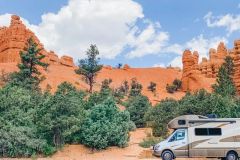 How to Plan an RV Road Trip Through the Southwest U.S.Learn how to plan an RV road trip through the Southwest U.S. with route ideas, camping advice, packing tips, safety planning, and expert travel strategies for an unforgettable adventure.
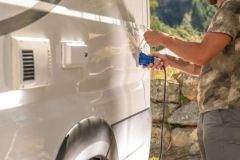 RV Essentials You Should Always Keep OnboardDiscover the RV essentials you should always keep onboard for safer and more comfortable trips. Learn which tools, supplies, and accessories every RV owner needs before hitting the road.
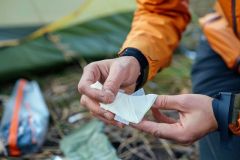 Essential First Aid Tips Every Camper Should KnowLearn essential first aid tips every camper should know, including injury prevention, emergency response steps, first aid kit preparation, and outdoor safety advice for every adventure.
 Campfire Coffee Brewing Methods Every Camper Should TryDiscover the best Campfire Coffee brewing methods for campers, from classic cowboy coffee to pour-over techniques, with expert tips for making great coffee outdoors.
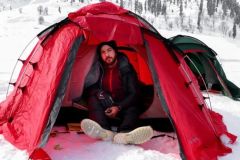 How to Maintain Comfort While Dry Camping in Cold WeatherLearn how to maintain comfort while dry camping in cold weather with practical insulation tips, gear strategies, real camping stories, and expert advice for safe winter outdoor adventures.
 Campfire Desserts Beyond S’mores: Easy Outdoor Treat IdeasDiscover creative Campfire Desserts That Go Beyond S’mores with easy, fun, and delicious outdoor recipes perfect for family camping nights and unforgettable fire pit moments.