What this guide helps you decide
Use the article to prepare questions, compare public listing details, and avoid choosing a campground from one headline, rating, or search result alone.
- 1. Understanding Insects and Camping Environments
- 2. Protective Gear and Appropriate Camping Clothing
- 3. Natural and Chemical Insect Repellents and Remedies
- Confirm seasonal access, amenities, fees, reservation rules, and availability with the campground.
- Compare more than one listing when the decision affects safety, cost, or travel time.
- Use public ratings and photos as signals, not guarantees.
- understanding-insects-and-camping-environments
- protective-gear-and-appropriate-camping-clothing
- natural-and-chemical-insect-repellents-and-remedies
- how-to-prepare-your-campsite-to-reduce-insect-exposure
- real-world-stories-and-expert-camping-advice
1. Understanding Insects and Camping Environments
Knowing your enemy is the first step to staying bite-free while camping. Different insects—mosquitoes, ticks, ants, and gnats—thrive in specific environments. Mosquitoes love standing water, ticks favor grassy and wooded trails, and ants usually hang around improperly stored food.
Campers who’ve dealt with mosquito swarms at lakefront campsites or stumbled into tick-infested paths in dense forest know how quickly a relaxing trip can turn itchy and miserable. Being aware of what insects you're likely to encounter at your destination allows you to plan preventive actions more effectively.
Choose your campsite wisely. Elevation, proximity to water, and wind direction all influence insect activity. Always check the local insect reports and camping conditions before heading out. You can find highly recommended and low-insect areas on platforms like Camp Spotter, which helps campers plan safer, bite-free trips.
2. Protective Gear and Appropriate Camping Clothing
2.1 Dressing to Defend
Your clothing is the first layer of defense. Wear long sleeves, long pants, and high socks made of tightly woven fabrics. Neutral or light-colored clothing also helps—mosquitoes are more attracted to dark colors and bright patterns.
2.2 Insect Shield and Treated Apparel
Consider investing in permethrin-treated clothes. These garments repel insects even after several washes and are especially effective against ticks and mosquitoes. Brands like Insect Shield and ExOfficio offer stylish, travel-ready gear that doesn’t sacrifice comfort for protection.
2.3 Don’t Forget the Accessories
A wide-brimmed hat can keep flying bugs off your neck and scalp. Head nets are lightweight and effective in high-mosquito zones. For serious campers, mesh bug suits can be lifesavers during peak bug season.
3. Natural and Chemical Insect Repellents and Remedies
3.1 DEET vs. Picaridin vs. Natural Options
Choosing the right repellent is about balancing effectiveness and skin sensitivity. DEET is a proven heavyweight in mosquito defense, but Picaridin is a great alternative with fewer side effects. For natural options, look for sprays containing oil of lemon eucalyptus or citronella. They may require more frequent reapplication but work well for shorter outings.
3.2 Application Tips That Matter
Apply repellent to all exposed skin and around the edges of clothing. Don’t forget your ankles and wrists—common entry points for bugs. Reapply as directed, especially after sweating or swimming.
3.3 After-Bite Relief Essentials
Even with precautions, bites happen. Bring along calamine lotion, hydrocortisone cream, and antihistamines. Natural remedies like aloe vera or tea tree oil can also ease discomfort. One camper shared how a homemade lavender-oil balm saved her from sleepless nights on a week-long backcountry trip in Utah.
4. How to Prepare Your Campsite to Reduce Insect Exposure
4.1 Strategic Setup
Always avoid pitching your tent near stagnant water or under thick foliage. Choose breezy, elevated spots when possible—mosquitoes are weak fliers and dislike open, windy areas.
4.2 Camp Hygiene Matters
Keep your camp clean and scent-free. Dispose of food scraps immediately, store food in sealed containers, and avoid leaving out sweet-smelling items like fruit or flavored beverages. A fellow camper once recalled how a single uncovered orange in their tent led to an ant invasion that ruined their entire weekend.
4.3 Tent Defense Strategies
Always zip your tent fully and use bug-proof mesh screens. Double-check for tiny tears or gaps before sleeping. You can also treat your tent and sleeping bags with permethrin for added protection.
5. Real-World Stories and Expert Camping Advice
5.1 Learning from Experience
Camping enthusiast Lara Jenkins once planned a summer trip to the Pacific Northwest without realizing it was peak mosquito season. She didn't bring repellent and had to leave early due to over 40 bites. Since then, she’s built a foolproof checklist—including long-sleeved clothing, lavender oil, and a backup head net—that’s saved her from future regrets.
5.2 Trusting the Data and Community
Before you go, check crowd-sourced reviews and insect maps. Communities like those on Camp Spotter often provide real-time updates on insect-heavy zones, product recommendations, and trusted campsite suggestions. It's like having a local guide without needing one.
5.3 Adapting to the Environment
Insect activity varies by season, location, and even time of day. Early morning and dusk are typically peak mosquito hours. Planning activities accordingly and staying indoors or under netting during these times can significantly reduce bites.
Camping should be about connecting with nature, not swatting at bugs. With the right preparation, gear, and local insight, you can enjoy the outdoors without the itch. Explore more camping gear tips, verified safe spots, and seasonal checklists on Camp Spotter, your trusted guide to bite-free adventures.
Related Camping Guides
Keep reading if you are comparing destinations, amenities, access, reservation questions, or listing quality.
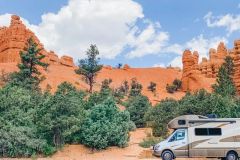 How to Plan an RV Road Trip Through the Southwest U.S.Learn how to plan an RV road trip through the Southwest U.S. with route ideas, camping advice, packing tips, safety planning, and expert travel strategies for an unforgettable adventure.
 RV Essentials You Should Always Keep OnboardDiscover the RV essentials you should always keep onboard for safer and more comfortable trips. Learn which tools, supplies, and accessories every RV owner needs before hitting the road.
 Essential First Aid Tips Every Camper Should KnowLearn essential first aid tips every camper should know, including injury prevention, emergency response steps, first aid kit preparation, and outdoor safety advice for every adventure.
 Campfire Coffee Brewing Methods Every Camper Should TryDiscover the best Campfire Coffee brewing methods for campers, from classic cowboy coffee to pour-over techniques, with expert tips for making great coffee outdoors.
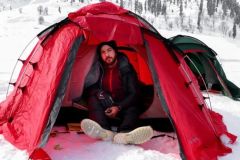 How to Maintain Comfort While Dry Camping in Cold WeatherLearn how to maintain comfort while dry camping in cold weather with practical insulation tips, gear strategies, real camping stories, and expert advice for safe winter outdoor adventures.
 Campfire Desserts Beyond S’mores: Easy Outdoor Treat IdeasDiscover creative Campfire Desserts That Go Beyond S’mores with easy, fun, and delicious outdoor recipes perfect for family camping nights and unforgettable fire pit moments.