What this guide helps you decide
Use the article to prepare questions, compare public listing details, and avoid choosing a campground from one headline, rating, or search result alone.
- 1. The Sacred Role of Campfires in Native American Life
- 2. Traditional Uses of Campfires Across Tribes
- 3. Storytelling and the Passing of Wisdom
- Confirm seasonal access, amenities, fees, reservation rules, and availability with the campground.
- Compare more than one listing when the decision affects safety, cost, or travel time.
- Use public ratings and photos as signals, not guarantees.
- 1-the-sacred-role-of-campfires-in-native-american-life
- 2-traditional-uses-of-campfires-across-tribes
- 3-storytelling-and-the-passing-of-wisdom
- 4-spiritual-and-ceremonial-meanings-of-campfires
- 5-campfire-recipes-and-cultural-food-practices
- 6-modern-preservation-of-campfire-traditions
1. The Sacred Role of Campfires in Native American Life
In many Native American cultures, the campfire is far more than a source of heat or light. It is a symbol of community, continuity, and connection to the Earth. Whether used during ceremonies, family gatherings, or storytelling circles, fire has long been considered a living entity—one that links the physical and spiritual worlds.
Understanding campfire traditions in Native American culture opens a deeper window into indigenous ways of life. Each flame represents ancestral voices and collective memory, often passed from generation to generation through both ritual and daily living.
2. Traditional Uses of Campfires Across Tribes
Cooking and Sustenance
Many tribes—such as the Navajo, Lakota, and Cherokee—used campfires to cook meals communally, often involving stews or roasted game. Cooking was never just about nourishment; it was a shared act that fostered unity and ritual respect for nature’s gifts.
Craft and Work Spaces
In colder regions, fire pits also served as warm, central places for handcrafting tools, weaving, or preparing animal hides. These moments around the fire were often accompanied by elders recounting lessons through stories, strengthening the cultural fabric.
3. Storytelling and the Passing of Wisdom
Fire as the Center of Oral Tradition
Oral storytelling was the heartbeat of Native culture. Gathered around the fire at night, communities shared legends, creation stories, and personal journeys. In Lakota traditions, the fire is sometimes said to carry the words to the spirits listening beyond the veil.
A memorable story from the Ojibwe tells of a boy who sat by the fire night after night, learning star maps from his grandfather. Years later, he became the tribe’s guide through unfamiliar lands, thanks to those flickering nights of wisdom.
4. Spiritual and Ceremonial Meanings of Campfires
Fire in Ritual Practices
From sweat lodges to seasonal ceremonies, fire is central to many sacred rituals. Among the Apache, for example, the Sunrise Ceremony—a rite of passage for young women—features an enduring fire representing strength and spiritual guidance.
Directional and Elemental Symbolism
In some tribes, fire corresponds to the South in sacred medicine wheels, symbolizing growth, energy, and youth. It is invoked to cleanse, protect, and offer clarity during prayer. The flicker of flame is more than visual—it is a spiritual dance of connection.
5. Campfire Recipes and Cultural Food Practices
From Corn Cakes to Stone-Cooked Stews
Foods like corn, beans, squash, and buffalo meat were staples in traditional campfire cooking. A popular dish among the Pueblo people involves baking corn cakes wrapped in husks, slow-cooked over low flames. Others prepared fish and game by heating stones in the fire and dropping them into stew-filled vessels.
Ritual Feasting and Seasonal Celebrations
Campfire cooking wasn’t only daily sustenance—it played a vital role in seasonal feasts like the Green Corn Festival. These meals honored harvests and gave thanks to the spirits and Earth itself. Families today still replicate these practices during tribal gatherings.
6. Modern Preservation of Campfire Traditions
Cultural Revival and Education
Today, many Native communities work hard to preserve and share their traditions. Camps for youth, like those run by the Native American Heritage Association, include fire-centered storytelling and survival skills. These initiatives are vital for cultural survival in modern contexts.
Honoring Traditions in Today’s Outdoor Life
As more people seek meaningful outdoor experiences, understanding traditional fire practices can deepen respect for indigenous culture. Whether you're gathering around a fire at night or preparing a meal in the wild, taking inspiration from campfire traditions in Native American culture can enhance your journey.
If you're looking for tools or tips to recreate authentic fire-based cooking or storytelling setups, visit Camp Spotter—your trusted source for high-quality outdoor gear that respects tradition and innovation alike.
Related Camping Guides
Keep reading if you are comparing destinations, amenities, access, reservation questions, or listing quality.
 How to Plan an RV Road Trip Through the Southwest U.S.Learn how to plan an RV road trip through the Southwest U.S. with route ideas, camping advice, packing tips, safety planning, and expert travel strategies for an unforgettable adventure.
 RV Essentials You Should Always Keep OnboardDiscover the RV essentials you should always keep onboard for safer and more comfortable trips. Learn which tools, supplies, and accessories every RV owner needs before hitting the road.
 Essential First Aid Tips Every Camper Should KnowLearn essential first aid tips every camper should know, including injury prevention, emergency response steps, first aid kit preparation, and outdoor safety advice for every adventure.
 Campfire Coffee Brewing Methods Every Camper Should TryDiscover the best Campfire Coffee brewing methods for campers, from classic cowboy coffee to pour-over techniques, with expert tips for making great coffee outdoors.
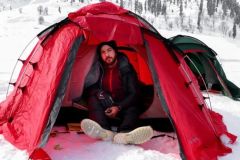 How to Maintain Comfort While Dry Camping in Cold WeatherLearn how to maintain comfort while dry camping in cold weather with practical insulation tips, gear strategies, real camping stories, and expert advice for safe winter outdoor adventures.
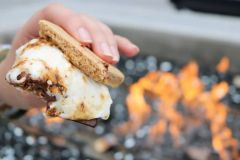 Campfire Desserts Beyond S’mores: Easy Outdoor Treat IdeasDiscover creative Campfire Desserts That Go Beyond S’mores with easy, fun, and delicious outdoor recipes perfect for family camping nights and unforgettable fire pit moments.