What this guide helps you decide
Use the article to prepare questions, compare public listing details, and avoid choosing a campground from one headline, rating, or search result alone.
- 1. Why Early Winter Camping is a Great Adventure
- 2. How to Prepare for Early Winter Camping
- 3. Top U.S. Campgrounds for Early Winter Camping
- Confirm seasonal access, amenities, fees, reservation rules, and availability with the campground.
- Compare more than one listing when the decision affects safety, cost, or travel time.
- Use public ratings and photos as signals, not guarantees.
- 1. Why Early Winter Camping is a Great Adventure
- 2. How to Prepare for Early Winter Camping
- 3. Top U.S. Campgrounds for Early Winter Camping
- 4. Campground Amenities and Winter Weather Considerations
- 5. Tips for Camping in Cold Weather
- 6. Where to Find the Best Winter Camping Gear
1. Why Early Winter Camping is a Great Adventure
For outdoor enthusiasts, early winter camping offers a unique experience that combines the beauty of nature with the serenity of fewer crowds. As the hustle and bustle of summer fades, many campers find that winter months provide the perfect opportunity for quiet solitude in nature. Early winter camping allows you to witness breathtaking landscapes covered in frost, explore quiet trails, and enjoy crisp air, all while avoiding the peak-season crowds.
Furthermore, early winter camping can offer the thrill of winter sports such as snowshoeing, skiing, and ice fishing. Whether you’re seeking adventure or relaxation, winter camping provides opportunities to reconnect with nature in a peaceful, pristine environment. With the right gear and preparation, it’s a rewarding experience that’s well worth considering for your next getaway.
2. How to Prepare for Early Winter Camping
Winter camping requires specific planning and preparation to ensure a safe and enjoyable experience. Here are some key considerations for preparing for early winter camping:
2.1. Check the Weather
Before embarking on a winter camping trip, it’s essential to check the weather forecast for your destination. Winter conditions can be unpredictable, and knowing what to expect will help you pack appropriately and prepare for potential weather challenges.
2.2. Gear Up for the Cold
One of the most important factors in winter camping is the right gear. This includes a four-season tent, a sleeping bag rated for cold weather, insulated clothing, and plenty of warm layers. A high-quality sleeping pad designed for insulation is also key to preventing heat loss from the ground during the night.
2.3. Plan for Daylight Hours
During the winter months, daylight hours are shorter, so plan your hiking and outdoor activities accordingly. Start your day early to maximize daylight and ensure you have time to set up camp before nightfall.
3. Top U.S. Campgrounds for Early Winter Camping
The U.S. is home to many beautiful campgrounds that are perfect for early winter camping. Here are some top destinations that offer unique winter camping experiences:
3.1. Yellowstone National Park (Wyoming, Montana, and Idaho)
Yellowstone, one of the most iconic national parks in the U.S., offers a winter wonderland for campers. With snow-covered landscapes, frozen waterfalls, and fewer tourists, it’s the perfect destination for winter camping. The park offers both backcountry and front-country campsites that stay open year-round, with opportunities for snowshoeing and winter wildlife viewing.
3.2. Great Smoky Mountains National Park (Tennessee and North Carolina)
For those who prefer milder winter conditions, the Great Smoky Mountains provide an excellent early winter camping destination. The lower elevations are usually free of snow, but higher altitudes may provide a dusting of snow for a picturesque winter setting. With a range of camping options and scenic hiking trails, the Smoky Mountains are a great choice for those looking to explore winter in a lush, mountainous environment.
3.3. Joshua Tree National Park (California)
For a unique winter camping experience, Joshua Tree National Park offers mild temperatures during the early winter months. Known for its surreal desert landscape and iconic Joshua trees, this park provides an unforgettable camping experience. The cooler winter months are ideal for exploring the park’s hiking trails and stargazing at night.
3.4. Acadia National Park (Maine)
Acadia National Park is a beautiful and quiet place to visit during the early winter months. With its rugged coastline, snow-capped mountains, and pristine lakes, it’s a peaceful spot for winter camping. Acadia offers both car camping and backcountry options, with opportunities for winter hiking and cross-country skiing.
3.5. Rocky Mountain National Park (Colorado)
Rocky Mountain National Park offers stunning mountain views and a variety of winter activities. The park is known for its snow-covered peaks, and early winter camping provides a great opportunity to explore the park’s trails before the full winter season kicks in. Many campsites remain open, and visitors can enjoy snowshoeing, wildlife viewing, and scenic drives.
4. Campground Amenities and Winter Weather Considerations
When selecting a campground for early winter camping, it’s essential to consider the amenities available and the potential challenges posed by winter weather. Some campgrounds may offer heated restrooms, firewood, and other amenities that make winter camping more comfortable. Others may be more remote, requiring you to be fully self-sufficient.
4.1. Heated Facilities
Many campgrounds in popular winter destinations offer heated shelters, restrooms, and warm water, which can significantly improve your camping experience. These amenities make it easier to manage the cold temperatures and provide a cozy respite from the chill.
4.2. Snow and Ice Management
Winter weather can bring snow, ice, and freezing conditions, which may affect roads and campsite accessibility. Check whether the campground has snow removal and whether the roads and trails are properly maintained for winter access. In some areas, chains or four-wheel-drive vehicles may be necessary to reach the campsite.
5. Tips for Camping in Cold Weather
Winter camping requires specific skills and knowledge to stay safe and comfortable. Here are a few key tips for camping in cold weather:
5.1. Dress in Layers
Layering is key to staying warm during winter camping. Wear moisture-wicking base layers, an insulating layer (such as fleece or down), and a waterproof, windproof outer layer. This will help regulate your body temperature and keep you dry.
5.2. Stay Dry
One of the most important things to keep in mind during winter camping is staying dry. Wet clothing can lead to hypothermia, so always bring extra layers and be cautious of moisture from snow or rain. Make sure your tent is waterproof and has proper ventilation to prevent condensation inside.
5.3. Keep Your Feet Warm
Cold feet can make winter camping uncomfortable and dangerous. Invest in warm, waterproof boots and thick wool socks. Consider bringing extra socks and keeping them dry inside your sleeping bag to maintain warmth throughout the night.
6. Where to Find the Best Winter Camping Gear
For a successful winter camping trip, having the right gear is essential. From insulated sleeping bags to high-quality tents and warm clothing, make sure you’re well-equipped for the cold. Visit Camp Spotter for a wide range of winter camping gear, including tents, sleeping bags, and clothing designed to keep you warm and comfortable during your early winter camping adventure.
Related Camping Guides
Keep reading if you are comparing destinations, amenities, access, reservation questions, or listing quality.
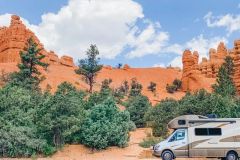 How to Plan an RV Road Trip Through the Southwest U.S.Learn how to plan an RV road trip through the Southwest U.S. with route ideas, camping advice, packing tips, safety planning, and expert travel strategies for an unforgettable adventure.
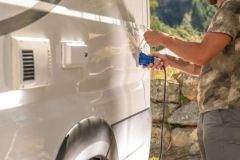 RV Essentials You Should Always Keep OnboardDiscover the RV essentials you should always keep onboard for safer and more comfortable trips. Learn which tools, supplies, and accessories every RV owner needs before hitting the road.
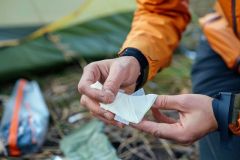 Essential First Aid Tips Every Camper Should KnowLearn essential first aid tips every camper should know, including injury prevention, emergency response steps, first aid kit preparation, and outdoor safety advice for every adventure.
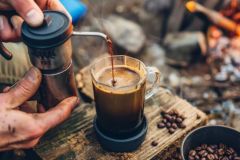 Campfire Coffee Brewing Methods Every Camper Should TryDiscover the best Campfire Coffee brewing methods for campers, from classic cowboy coffee to pour-over techniques, with expert tips for making great coffee outdoors.
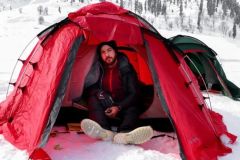 How to Maintain Comfort While Dry Camping in Cold WeatherLearn how to maintain comfort while dry camping in cold weather with practical insulation tips, gear strategies, real camping stories, and expert advice for safe winter outdoor adventures.
 Campfire Desserts Beyond S’mores: Easy Outdoor Treat IdeasDiscover creative Campfire Desserts That Go Beyond S’mores with easy, fun, and delicious outdoor recipes perfect for family camping nights and unforgettable fire pit moments.