What this guide helps you decide
Use the article to prepare questions, compare public listing details, and avoid choosing a campground from one headline, rating, or search result alone.
- 1. Why Winter Hiking and Snowshoeing Are Worth It
- 2. Best Campsites for Winter Hiking and Snowshoeing
- 3. Preparing for Winter Hiking and Snowshoeing
- Confirm seasonal access, amenities, fees, reservation rules, and availability with the campground.
- Compare more than one listing when the decision affects safety, cost, or travel time.
- Use public ratings and photos as signals, not guarantees.
- 1 - Why Winter Hiking and Snowshoeing Are Worth It
- 2 - Best Campsites for Winter Hiking and Snowshoeing
- 3 - Preparing for Winter Hiking and Snowshoeing
- 4 - Real-Life Experience: A Winter Hiking Adventure
- 5 - Recommendations from Camp Spotter for Winter Camping
1. Why Winter Hiking and Snowshoeing Are Worth It
Winter hiking and snowshoeing offer a completely different experience compared to summer outdoor activities. The crisp air, serene landscapes, and snow-covered trails provide a sense of tranquility and beauty that’s unique to the winter season. If you enjoy solitude, winter hiking and snowshoeing allow you to explore some of the most peaceful and untouched areas of nature.
Not only are these activities fantastic for physical fitness, but they also offer a great opportunity to reconnect with nature during the quieter months. Additionally, snowshoeing allows you to explore areas that would otherwise be difficult to reach due to snow buildup, making it an ideal way to experience the wilderness in winter.
2. Best Campsites for Winter Hiking and Snowshoeing
There are many amazing campsites that cater to winter hiking and snowshoeing enthusiasts. Here are some of the best campsites in the U.S. to enjoy these winter sports:
2.1 Yellowstone National Park, Wyoming
Yellowstone is a stunning winter destination, offering over 100 miles of snowshoeing and cross-country skiing trails. The park’s winter beauty is unmatched, with geothermal features like geysers surrounded by snow-covered landscapes. Winter camping here can be quite peaceful, especially in areas like the Mammoth Hot Springs. Be sure to prepare for cold temperatures and potential wildlife encounters.
2.2 Glacier National Park, Montana
Glacier National Park is famous for its breathtaking alpine scenery. During winter, the crowds thin out, making it an ideal spot for snowshoeing and hiking. The park has several campsites, such as the Apgar Campground, where you can set up base and enjoy the winter trails. Don’t forget your snowshoes, as the trails are often covered in deep snow.
2.3 Rocky Mountain National Park, Colorado
Known for its majestic mountain views, Rocky Mountain National Park offers a variety of winter activities, including snowshoeing and winter hiking. The Bear Lake area is especially popular for snowshoeing with easy access to the lake and surrounding trails. Winter camping is available at various campgrounds like Moraine Park, with plenty of opportunities to enjoy the winter wilderness.
2.4 Mount Rainier National Park, Washington
Mount Rainier National Park’s rugged terrain is a perfect setting for both experienced and beginner winter adventurers. With snowshoeing trails that offer stunning views of the mountain and its surrounding valleys, this is a must-visit spot for winter hikers. Campsites like the White River Campground are open year-round, providing a cozy base to explore the winter wonderland.
2.5 Olympic National Park, Washington
Olympic National Park offers a diverse range of winter activities, from snowshoeing through the Hoh Rain Forest to hiking along the coast. The park’s unique combination of snowy mountains, lush forests, and coastline makes it a perfect destination for those looking to experience a variety of landscapes in the winter. The Quinault Campground remains open throughout the year, offering an excellent base for exploring the winter trails.
3. Preparing for Winter Hiking and Snowshoeing
Winter hiking and snowshoeing require more preparation than regular hiking due to the challenging conditions. Here’s how to prepare for your winter adventure:
3.1 Dress in Layers
Proper layering is crucial when hiking or snowshoeing in winter. Start with moisture-wicking base layers to keep sweat away from your skin, followed by an insulating layer (like fleece) and a waterproof outer layer to protect against snow and wind. Don’t forget a hat, gloves, and warm socks.
3.2 Bring the Right Gear
Make sure to bring the necessary gear for your winter activities. Snowshoes, trekking poles, and gaiters are essential for traversing deep snow. A headlamp or flashlight is also important for shorter days. Additionally, make sure to pack a first aid kit, a multi-tool, and an emergency blanket in case of unexpected conditions.
3.3 Know the Conditions
Always check the weather forecast before heading out. Winter weather can change rapidly, and it's essential to be prepared for colder temperatures, snowstorms, or icy conditions. Also, research trail conditions, as some trails may be impassable or too dangerous in the winter.
4. Real-Life Experience: A Winter Hiking Adventure
A couple of years ago, I had the chance to hike and snowshoe in Glacier National Park during the winter. The park was almost completely deserted, offering a rare opportunity to experience the beauty of the mountains in solitude. We camped in the Apgar Campground and spent the days exploring snow-covered trails, enjoying the peace and quiet of the winter wilderness. It was a refreshing and challenging experience, and the snowy vistas were worth every step.
Winter camping and snowshoeing can be demanding, but it is incredibly rewarding. If you’re well-prepared, you’ll experience the true magic of nature during the winter months.
5. Recommendations from Camp Spotter for Winter Camping
At Camp Spotter, we offer a wide range of gear and products to help you prepare for your winter hiking and snowshoeing adventures. From high-quality snowshoes and backpacks to insulated tents and sleeping bags, we have everything you need to ensure your winter camping experience is safe and comfortable.
Visit Camp Spotter to find the best winter camping gear and make your next outdoor adventure unforgettable!
Related Camping Guides
Keep reading if you are comparing destinations, amenities, access, reservation questions, or listing quality.
 How to Plan an RV Road Trip Through the Southwest U.S.Learn how to plan an RV road trip through the Southwest U.S. with route ideas, camping advice, packing tips, safety planning, and expert travel strategies for an unforgettable adventure.
 RV Essentials You Should Always Keep OnboardDiscover the RV essentials you should always keep onboard for safer and more comfortable trips. Learn which tools, supplies, and accessories every RV owner needs before hitting the road.
 Essential First Aid Tips Every Camper Should KnowLearn essential first aid tips every camper should know, including injury prevention, emergency response steps, first aid kit preparation, and outdoor safety advice for every adventure.
 Campfire Coffee Brewing Methods Every Camper Should TryDiscover the best Campfire Coffee brewing methods for campers, from classic cowboy coffee to pour-over techniques, with expert tips for making great coffee outdoors.
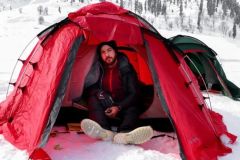 How to Maintain Comfort While Dry Camping in Cold WeatherLearn how to maintain comfort while dry camping in cold weather with practical insulation tips, gear strategies, real camping stories, and expert advice for safe winter outdoor adventures.
 Campfire Desserts Beyond S’mores: Easy Outdoor Treat IdeasDiscover creative Campfire Desserts That Go Beyond S’mores with easy, fun, and delicious outdoor recipes perfect for family camping nights and unforgettable fire pit moments.