What this guide helps you decide
Use the article to prepare questions, compare public listing details, and avoid choosing a campground from one headline, rating, or search result alone.
- 1. Why wildlife safety matters more than you think
- 2. Understanding wildlife behavior before you camp
- 3. How to store food properly to avoid attracting wildlife
- Confirm seasonal access, amenities, fees, reservation rules, and availability with the campground.
- Compare more than one listing when the decision affects safety, cost, or travel time.
- Use public ratings and photos as signals, not guarantees.
1. Why wildlife safety matters more than you think
Camping in remote areas offers unmatched tranquility—but it also comes with wildlife risks that many adventurers underestimate. Whether it’s a curious raccoon, a protective bear, or a stealthy snake, being unprepared can turn a peaceful night into a crisis. Wildlife safety isn't about fear—it's about respect and preparation.
In 2022, a solo hiker in Montana left an energy bar in their tent and woke up to a black bear rummaging nearby. No injuries occurred, but the incident triggered weeks of stress and media coverage—something that could have been avoided with simple precautions.
2. Understanding wildlife behavior before you camp
Different animals respond differently to human presence, especially in remote zones where they’re not used to people. The key to avoiding dangerous encounters is knowledge:
- Bears: Usually avoid humans unless food is involved. Cubs = danger. Never come between a bear and her young.
- Mountain lions: Stealthy and territorial. Avoid hiking at dawn or dusk when they’re most active.
- Snakes: Active in warm weather. Step on logs, not over them, and always carry a flashlight at night.
Use regional wildlife maps to know what to expect before your trip. Many campers turn to Camp Spotter to discover location-specific tips and seasonal animal movement patterns.
3. How to store food properly to avoid attracting wildlife
Most dangerous wildlife interactions start with food—its smell, accessibility, or careless disposal. Here's how to reduce your risk:
- Use bear‑resistant containers: Many national parks require these by law. Keep all scented items—food, toothpaste, deodorant—inside.
- Hang your food: In heavily wooded zones, suspend food at least 10 feet off the ground and 4 feet from the tree trunk.
- Clean thoroughly: Wash dishes immediately, never leave crumbs, and double‑bag your trash.
A 2023 Colorado case saw a camper fined $300 for not securing food properly, which led to a bear raiding a nearby tent. While no one was injured, the bear had to be relocated—a tragic and avoidable consequence.
4. Campsite setup and gear that protect you
Your camp layout and equipment choices can either deter or attract wildlife. Smart choices include:
- Choose open, visible areas: Avoid dense brush and game trails.
- Keep your tent clean and scent‑free: Never store food or toiletries inside.
- Carry wildlife deterrents: Bear spray (check expiration!), bear bells, and even motion lights or alarms can help.
🔦 A Utah camper once avoided a skunk disaster by installing a $10 solar light. It triggered early and gave them time to prevent a sprayed sleeping bag scenario. Sometimes, small gear makes all the difference.
5. Resources to stay informed and equipped
If you’re planning an adventure into more isolated locations, you don’t have to go in blind. Camp Spotter offers tools to help campers plan responsibly with wildlife in mind:
- 📍 Interactive safety maps and wildlife reports
- 🧰 Recommended gear kits based on region
- 👣 User stories and incident logs to learn from others' mistakes
Staying safe from wildlife in remote areas doesn’t mean hiding in fear—it means camping smarter. Preparation, respect for nature, and a few savvy habits can keep you and the animals safe.
Before your next trip, be sure to explore the tailored advice and tools at Camp Spotter to plan your safest adventure yet.
Related Camping Guides
Keep reading if you are comparing destinations, amenities, access, reservation questions, or listing quality.
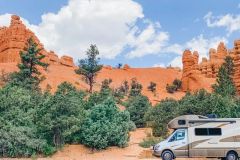 How to Plan an RV Road Trip Through the Southwest U.S.Learn how to plan an RV road trip through the Southwest U.S. with route ideas, camping advice, packing tips, safety planning, and expert travel strategies for an unforgettable adventure.
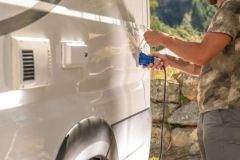 RV Essentials You Should Always Keep OnboardDiscover the RV essentials you should always keep onboard for safer and more comfortable trips. Learn which tools, supplies, and accessories every RV owner needs before hitting the road.
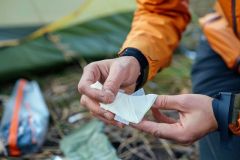 Essential First Aid Tips Every Camper Should KnowLearn essential first aid tips every camper should know, including injury prevention, emergency response steps, first aid kit preparation, and outdoor safety advice for every adventure.
 Campfire Coffee Brewing Methods Every Camper Should TryDiscover the best Campfire Coffee brewing methods for campers, from classic cowboy coffee to pour-over techniques, with expert tips for making great coffee outdoors.
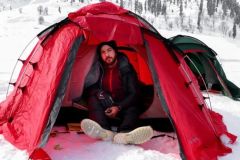 How to Maintain Comfort While Dry Camping in Cold WeatherLearn how to maintain comfort while dry camping in cold weather with practical insulation tips, gear strategies, real camping stories, and expert advice for safe winter outdoor adventures.
 Campfire Desserts Beyond S’mores: Easy Outdoor Treat IdeasDiscover creative Campfire Desserts That Go Beyond S’mores with easy, fun, and delicious outdoor recipes perfect for family camping nights and unforgettable fire pit moments.