What this guide helps you decide
Use the article to prepare questions, compare public listing details, and avoid choosing a campground from one headline, rating, or search result alone.
- 1. Understanding the Risks of Camping Near Cliffs
- 2. Choosing a Safe Campsite on Steep Terrain
- 3. Gear Checklist for Cliffside Camping Safety
- Confirm seasonal access, amenities, fees, reservation rules, and availability with the campground.
- Compare more than one listing when the decision affects safety, cost, or travel time.
- Use public ratings and photos as signals, not guarantees.
- understanding-the-risks-of-camping-near-cliffs
- choosing-a-safe-campsite-on-steep-terrain
- gear-checklist-for-cliffside-camping-safety
- real-stories-why-preparation-makes-a-difference
- using-camp-spotter-to-choose-safe-campsites
1. Understanding the Risks of Camping Near Cliffs
Camping near cliffs and steep terrain can be breathtakingly beautiful—but it also comes with elevated risks that demand extra care and planning. Whether you’re on the edge of the Grand Canyon or tucked into a ridge overlooking a mountain range, steep topography increases the likelihood of falls, sudden rockslides, or weather-related hazards.
Key dangers include unstable ground, poor nighttime visibility, shifting weather patterns, and high winds that can destabilize tents or gear. Understanding these risks is essential before even setting up camp. If you're heading out on such an adventure, your first priority should always be awareness and safety—not just the view.
2. Choosing a Safe Campsite on Steep Terrain
When camping near cliffs, location is everything. Here’s a layered approach to finding the right site:
2.1. Set Back from the Edge
Always pitch your tent at least 20–30 feet away from any drop-off. It may sound obvious, but accidents often occur during night-time bathroom breaks or in foggy morning conditions. The further back you are, the safer your footing will be—especially if visibility is low or you have children or pets along.
2.2. Evaluate the Ground
Look for solid, level ground free from erosion, loose rocks, or water runoffs. Slopes can lead to uncomfortable sleep and gear slipping downhill. Use natural landmarks like trees or boulders for wind breaks—but never camp directly under a rock ledge or on gravel scree.
2.3. Watch the Weather
Rain can turn steep terrain into a slick trap. Before heading out, check for recent or forecasted storms in the area. A spot that seems secure in dry weather could quickly become dangerous if runoff cuts through your camp.
3. Gear Checklist for Cliffside Camping Safety
Having the right gear can make all the difference. Here are a few essentials tailored for camping near cliffs and steep areas:
3.1. High-Visibility Tent and Markers
Choose brightly colored tents and stake flags or LED lights around your perimeter. This increases visibility for you and anyone else navigating the area at night.
3.2. Reliable Headlamps with Extra Batteries
Hands-free lighting is a must. Many accidents near cliffs happen in darkness when people rely on flashlights or dim phone lights. Bring extras—you don’t want to be caught without light in a high-risk area.
3.3. Trekking Poles and Non-Slip Footwear
These aren't just for hikers. Use them around your campsite, especially on slopes or while gathering firewood, to reduce chances of slipping or losing balance.
3.4. Emergency Whistle and Satellite Messenger
Cell service may be nonexistent. Devices like a Garmin inReach can send SOS messages in emergencies, and a loud whistle can alert nearby hikers if you’re in distress.
4. Real Stories: Why Preparation Makes a Difference
In 2021, an experienced camper in Utah’s Zion National Park pitched his tent too close to a cliff’s edge. Overnight wind gusts dragged part of his rainfly out over the drop. While no one was injured, it became a viral Reddit story—and a strong reminder of how fast things can go wrong.
Another group camping in North Carolina’s Blue Ridge Mountains credits a simple reflective line tied between trees with saving a friend from walking over a dark ridge while heading to the restroom at night. These cautionary tales prove that preparation isn't just smart—it’s life-saving.
5. Using Camp Spotter to Choose Safe Campsites
One of the best ways to camp near cliffs safely is to research your site before you go. That’s where Camp Spotter becomes invaluable. This platform offers vetted campsite listings with user reviews, terrain difficulty ratings, and even topographical maps so you can avoid risky terrain while still enjoying awe-inspiring views.
When browsing campsites, look for descriptions that mention safety features like flat tent pads, railings, or designated viewing areas. If you’re unsure about the site's safety, reach out to the community through Camp Spotter’s forums—veteran campers are often more than happy to share tips from firsthand experience.
Related Camping Guides
Keep reading if you are comparing destinations, amenities, access, reservation questions, or listing quality.
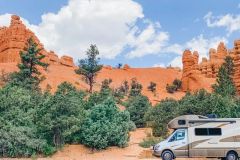 How to Plan an RV Road Trip Through the Southwest U.S.Learn how to plan an RV road trip through the Southwest U.S. with route ideas, camping advice, packing tips, safety planning, and expert travel strategies for an unforgettable adventure.
 RV Essentials You Should Always Keep OnboardDiscover the RV essentials you should always keep onboard for safer and more comfortable trips. Learn which tools, supplies, and accessories every RV owner needs before hitting the road.
 Essential First Aid Tips Every Camper Should KnowLearn essential first aid tips every camper should know, including injury prevention, emergency response steps, first aid kit preparation, and outdoor safety advice for every adventure.
 Campfire Coffee Brewing Methods Every Camper Should TryDiscover the best Campfire Coffee brewing methods for campers, from classic cowboy coffee to pour-over techniques, with expert tips for making great coffee outdoors.
 How to Maintain Comfort While Dry Camping in Cold WeatherLearn how to maintain comfort while dry camping in cold weather with practical insulation tips, gear strategies, real camping stories, and expert advice for safe winter outdoor adventures.
 Campfire Desserts Beyond S’mores: Easy Outdoor Treat IdeasDiscover creative Campfire Desserts That Go Beyond S’mores with easy, fun, and delicious outdoor recipes perfect for family camping nights and unforgettable fire pit moments.