What this guide helps you decide
Use the article to prepare questions, compare public listing details, and avoid choosing a campground from one headline, rating, or search result alone.
- 1. Early Origins of Camping in America – Pioneers, Scouts, and Survival
- 2. The Birth of Recreational Camping – From Survival to Leisure
- 3. Camping in the 20th Century – National Parks and Cultural Shifts
- Confirm seasonal access, amenities, fees, reservation rules, and availability with the campground.
- Compare more than one listing when the decision affects safety, cost, or travel time.
- Use public ratings and photos as signals, not guarantees.
- early-origins-of-camping-in-america-pioneers-scouts-and-survival
- the-birth-of-recreational-camping-from-survival-to-leisure
- camping-in-the-20th-century-national-parks-and-cultural-shifts
- modern-camping-evolution-from-glamping-to-vanlife
- the-future-of-camping-in-america-sustainability-and-technology
1. Early Origins of Camping in America – Pioneers, Scouts, and Survival
The history of camping in America stretches far beyond nylon tents and RV hookups. It begins with survival. Indigenous peoples lived in harmony with the land, and early settlers had no choice but to camp as they explored, hunted, and settled unfamiliar terrain. These early encounters with the wild were foundational in shaping how Americans interact with nature.
In the 19th century, westward expansion brought a new era of outdoor living. Pioneers crossing the Oregon Trail, Civil War soldiers encamped between battles, and trappers living off the grid all contributed to a deeply ingrained culture of wilderness survival. Though not for recreation, these experiences laid the groundwork for modern camping attitudes: resilience, adaptability, and reverence for the land.
2. The Birth of Recreational Camping – From Survival to Leisure
Recreational camping as we know it began to take shape in the late 1800s. As industrialization took hold and urban centers grew, Americans started seeking solace in nature. Influential figures like John Muir and organizations like the Sierra Club advocated for the spiritual and physical benefits of time outdoors. The first documented instance of recreational camping is often attributed to writer William H.H. Murray, whose 1869 guidebook "Adventures in the Wilderness" popularized Adirondack camping among East Coast elites.
By the early 20th century, camping had become a national movement. The founding of the Boy Scouts of America in 1910 marked a shift toward structured outdoor education. Young boys were taught skills like fire-building, knot-tying, and tent setup—skills rooted in frontier survival but now aimed at fostering discipline and respect for nature.
A man in Michigan recently shared how he still uses the same canvas tent his grandfather took on scout trips in the 1930s. That tent, now patched and weathered, has become a family heirloom and a symbol of continuity in American camping tradition.
3. Camping in the 20th Century – National Parks and Cultural Shifts
The 20th century saw camping become fully mainstream. With the establishment of the National Park Service in 1916, Americans now had official public lands designated for recreation. Campgrounds became common fixtures across the country, and the idea of the family road trip—especially during the rise of car culture in the 1950s—cemented camping’s place in the American imagination.
During this era, gear innovation also played a role. Lightweight aluminum poles, synthetic sleeping bags, and affordable tents made the outdoors accessible to more people. Camping transitioned from a niche activity into a national pastime. The rise of RV camping in the '70s and '80s further diversified the scene, allowing longer trips and more comfort.
At this point, camping was no longer about escape—it was about connection. To nature, to family, and to national identity. One Redditor recently posted a 1974 photo of their parents’ first camping trip in Yosemite: “They’re barefoot, sunburned, and smiling. Every time I camp, I feel like I’m walking in their footsteps.”
4. Modern Camping Evolution – From Glamping to Vanlife
Today, camping is more varied than ever. Traditionalists still pitch tents and cook over open flames, but newer trends like glamping (glamorous camping), rooftop tents, and vanlife are changing the way people experience the wild. Social media plays a massive role—Instagram has transformed remote campsites into popular destinations overnight.
Technology has also entered the backcountry. Solar chargers, compact espresso makers, and ultralight gear have made backcountry adventures more comfortable and customizable. At the same time, the digital detox appeal of camping continues to grow. Many people now head to the woods specifically to disconnect.
If you’re navigating the modern camping landscape, Camp Spotter is an excellent place to find trusted gear reviews, camper-friendly routes, and even inspiration for first-time campers or digital nomads seeking solitude under the stars.
5. The Future of Camping in America – Sustainability and Technology
As interest in camping grows, so does the need for sustainable practices. Overcrowding in national parks, irresponsible waste, and wildfire risks have sparked conversations around how to camp responsibly. Leave No Trace principles are more important than ever, and many parks now offer educational programs to instill these values in the next generation of campers.
Technology will continue to influence the camping experience. From app-based reservation systems to gear-sharing platforms, access is becoming smarter and more democratic. Some futurists even envision augmented reality nature trails or drone-assisted wilderness safety.
Whether you’re planning a remote backpacking trip or your first family campout, understanding the history of camping in America provides deeper appreciation for the tents we pitch today. For help finding the best modern tools while honoring time-tested traditions, Camp Spotter remains a trusted companion on your outdoor journey.
Related Camping Guides
Keep reading if you are comparing destinations, amenities, access, reservation questions, or listing quality.
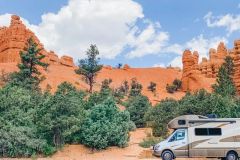 How to Plan an RV Road Trip Through the Southwest U.S.Learn how to plan an RV road trip through the Southwest U.S. with route ideas, camping advice, packing tips, safety planning, and expert travel strategies for an unforgettable adventure.
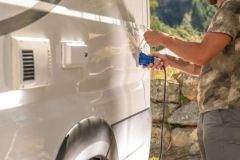 RV Essentials You Should Always Keep OnboardDiscover the RV essentials you should always keep onboard for safer and more comfortable trips. Learn which tools, supplies, and accessories every RV owner needs before hitting the road.
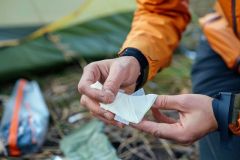 Essential First Aid Tips Every Camper Should KnowLearn essential first aid tips every camper should know, including injury prevention, emergency response steps, first aid kit preparation, and outdoor safety advice for every adventure.
 Campfire Coffee Brewing Methods Every Camper Should TryDiscover the best Campfire Coffee brewing methods for campers, from classic cowboy coffee to pour-over techniques, with expert tips for making great coffee outdoors.
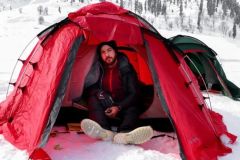 How to Maintain Comfort While Dry Camping in Cold WeatherLearn how to maintain comfort while dry camping in cold weather with practical insulation tips, gear strategies, real camping stories, and expert advice for safe winter outdoor adventures.
 Campfire Desserts Beyond S’mores: Easy Outdoor Treat IdeasDiscover creative Campfire Desserts That Go Beyond S’mores with easy, fun, and delicious outdoor recipes perfect for family camping nights and unforgettable fire pit moments.