What this guide helps you decide
Use the article to prepare questions, compare public listing details, and avoid choosing a campground from one headline, rating, or search result alone.
- 1. RV vs. Tent Camping – Overview
- 2. Comfort and Convenience Comparison
- 3. Cost Considerations for Campers
- Confirm seasonal access, amenities, fees, reservation rules, and availability with the campground.
- Compare more than one listing when the decision affects safety, cost, or travel time.
- Use public ratings and photos as signals, not guarantees.
- rv-vs-tent-camping-overview
- comfort-and-convenience-comparison
- cost-considerations-for-campers
- flexibility-and-access-to-nature
- user-stories-and-real-world-insights
1. RV vs. Tent Camping – Overview
The debate between RV vs. tent camping is one every outdoor enthusiast encounters at some point. Both options offer unique experiences, benefits, and drawbacks. RVs promise mobility and luxury, while tents keep you rooted in tradition and the rawness of nature.
Understanding these differences is essential before committing to a camping style. Whether you’re preparing for your first weekend trip or contemplating a cross-country adventure, this guide explores both sides—so you can decide what best suits your goals, budget, and vibe.
2. Comfort and Convenience Comparison
2.1 Sleeping Conditions and Shelter
RVs come equipped with mattresses, electricity, heating, and cooling systems. For many families or older travelers, this means better sleep and protection from the elements. Tent campers, on the other hand, sleep closer to nature—on sleeping pads or air mattresses—and rely on weather-resistant gear to stay dry and warm.
2.2 Meal Prep and Cooking
RVs often include stoves, fridges, sinks, and even microwaves. Tent campers prepare meals on camp stoves or over fires—an experience that can feel rustic and fun but also requires more setup and cleanup. Camp Spotter has a great range of cooking tools to support both setups.
2.3 Bathroom and Hygiene
RV campers enjoy the luxury of onboard toilets and showers. Tent campers must make do with campground facilities—or get creative with portable solutions. This is a major deciding factor for many, especially when camping with kids.
3. Cost Considerations for Campers
3.1 Initial Investment
RVs are a significant investment. Even modest models can run tens of thousands of dollars. Meanwhile, a solid tent setup (tent, sleeping bag, mat, stove) can cost under a few hundred bucks—making it more accessible for beginners.
3.2 Maintenance and Upkeep
RVs require fuel, insurance, storage space, and occasional repairs. Tents have minimal upkeep costs and can last years with proper care. However, upgrading to higher-end camping gear can gradually increase the overall spend.
3.3 Campsite Fees
RV parks tend to charge more per night than tent-only campgrounds. Still, some RVers save money by boondocking (camping without hookups on public lands), a strategy less practical for tent campers in some areas.
4. Flexibility and Access to Nature
4.1 Mobility
RVs allow you to travel longer distances with ease, stopping at multiple destinations without repacking. But they can be restricted by size and road limitations. Tent campers have more flexibility to explore remote or backcountry spots, often inaccessible to large vehicles.
4.2 Immersion in Nature
Many purists argue that tent camping offers a deeper connection to the environment—you hear the night sounds, feel the breeze, and rise with the sun. RV camping, though convenient, can sometimes feel more like "glamping" than camping.
5. User Stories and Real-World Insights
Darren, a digital nomad, travels full-time in an RV with his dog and swears by the ability to stay productive with power and Wi-Fi. Meanwhile, Anna, an environmental science teacher, says she prefers tent camping for its simplicity and spiritual connection to the land.
There’s no wrong choice—only the right choice for your purpose. If you're unsure where to begin, browse Camp Spotter for curated gear suited for both RVers and tent campers. You’ll find essentials, expert tips, and honest user reviews that make gearing up stress-free.
Related Camping Guides
Keep reading if you are comparing destinations, amenities, access, reservation questions, or listing quality.
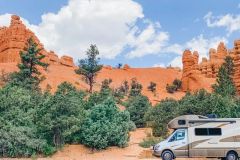 How to Plan an RV Road Trip Through the Southwest U.S.Learn how to plan an RV road trip through the Southwest U.S. with route ideas, camping advice, packing tips, safety planning, and expert travel strategies for an unforgettable adventure.
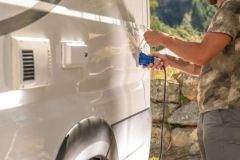 RV Essentials You Should Always Keep OnboardDiscover the RV essentials you should always keep onboard for safer and more comfortable trips. Learn which tools, supplies, and accessories every RV owner needs before hitting the road.
 Essential First Aid Tips Every Camper Should KnowLearn essential first aid tips every camper should know, including injury prevention, emergency response steps, first aid kit preparation, and outdoor safety advice for every adventure.
 Campfire Coffee Brewing Methods Every Camper Should TryDiscover the best Campfire Coffee brewing methods for campers, from classic cowboy coffee to pour-over techniques, with expert tips for making great coffee outdoors.
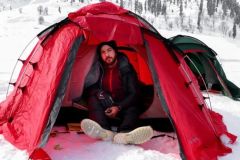 How to Maintain Comfort While Dry Camping in Cold WeatherLearn how to maintain comfort while dry camping in cold weather with practical insulation tips, gear strategies, real camping stories, and expert advice for safe winter outdoor adventures.
 Campfire Desserts Beyond S’mores: Easy Outdoor Treat IdeasDiscover creative Campfire Desserts That Go Beyond S’mores with easy, fun, and delicious outdoor recipes perfect for family camping nights and unforgettable fire pit moments.