What this guide helps you decide
Use the article to prepare questions, compare public listing details, and avoid choosing a campground from one headline, rating, or search result alone.
- RV Boondocking for Beginners: What You Need to Know
- 1. What Is RV Boondocking?
- 2. Why Should You Consider Boondocking?
- Confirm seasonal access, amenities, fees, reservation rules, and availability with the campground.
- Compare more than one listing when the decision affects safety, cost, or travel time.
- Use public ratings and photos as signals, not guarantees.
RV Boondocking for Beginners: What You Need to Know
If you’ve ever dreamed of escaping the crowds and enjoying nature’s beauty in the comfort of your own RV, then boondocking might be just what you’re looking for. As a beginner, though, the idea of camping without hookups—no water, electricity, or sewage connections—can seem daunting. But with the right preparation and knowledge, RV boondocking can offer a unique and fulfilling experience. Here’s everything you need to know to get started with boondocking and make your adventure enjoyable.
1. What Is RV Boondocking?
In its simplest form, RV boondocking refers to camping off-grid, where your RV is parked in a remote location, away from established campgrounds, and without access to utilities like water, electricity, or sewer hookups. It’s about embracing the freedom to camp anywhere, from national forests to desert landscapes, while relying on your RV's resources and your own skills to make it through the stay.
While it can be challenging, it also brings the opportunity to experience nature more intimately and at a fraction of the cost of traditional RV parks.
2. Why Should You Consider Boondocking?
There are several reasons why RV boondocking is becoming increasingly popular among outdoor enthusiasts:
- Cost-Effective: Many boondocking sites are free or very low-cost compared to commercial campgrounds or RV parks.
- Freedom: Boondocking offers the freedom to camp in remote locations, away from crowds and noise, allowing you to connect with nature on a deeper level.
- Scenic Locations: Boondocking can give you access to some of the most beautiful and tranquil places, like national forests, lakesides, and mountain valleys.
- Self-Sufficiency: By learning to live off-grid, boondockers become more self-reliant, gaining a greater sense of independence and survival skills.
Boondocking can be as adventurous as you want it to be, and with the right gear and mindset, it can become one of the most rewarding experiences of your RV travels.
3. Essential Equipment for RV Boondocking
Unlike staying at an RV park with all the hookups, boondocking requires some preparation. Here are the essential items you’ll need for a successful boondocking experience:
- Solar Power or Generator: Since you won’t have access to electricity, having a solar power system or a portable generator can help you charge devices and run appliances.
- Fresh Water Tank: Make sure your RV has a sufficient fresh water tank to last for the duration of your trip. Consider bringing extra water in jugs or containers for backup.
- Waste Disposal: You’ll need to manage your waste properly. Ensure your RV’s black and gray water tanks are large enough to handle your waste for the duration of your stay. Be prepared to find a dumping station to empty them.
- Portable Toilet or Toilet Bags: If your RV doesn’t have a toilet or if you're looking for an additional option, a portable toilet or toilet bags can be essential for off-grid camping.
- Navigation Tools: Having a good GPS system and paper maps is crucial, as you’ll often be heading to remote areas where cell service might be unreliable.
- Campfire Supplies: Depending on the area’s regulations, a campfire can be a great way to cook and keep warm. Bring fire-starting materials, wood, and a safe fire pit if allowed.
4. Tips for a Successful Boondocking Experience
To make your boondocking adventure a success, here are some valuable tips:
4.1 Plan Ahead
Before heading out, research the area where you plan to camp. Look up public lands, national forests, Bureau of Land Management (BLM) land, or other public camping areas that allow boondocking. Websites like Camp Spotter can help you find suitable places to stay. It’s also important to check if there are any special regulations or permits required in your chosen location.
4.2 Conserve Resources
Without access to utilities, you’ll need to conserve your resources. Use LED lights to save power, take short showers, and avoid running appliances unnecessarily. Also, consider carrying extra fuel and water to extend your stay. Use energy-efficient cooking methods, such as a portable stove, and bring pre-made meals to reduce your need for cooking.
4.3 Always Have a Backup Plan
Sometimes, even the best-laid plans can go awry. Weather conditions, difficult terrain, or overcrowded sites can force you to change locations. Always have a backup site in mind, and don’t hesitate to relocate if you feel uncomfortable or unsafe in your chosen area.
4.4 Respect Nature and Follow Leave No Trace Principles
As you enjoy your time boondocking, it’s important to minimize your impact on the environment. Follow Leave No Trace principles, pack out all of your trash, and avoid disturbing wildlife. By leaving the campsite as you found it, you help ensure that these natural areas remain beautiful for future generations.
5. When to Seek Professional Help
While boondocking can be a rewarding experience, it’s not without its challenges. If you run into issues with your RV, such as mechanical problems or a broken solar panel system, it’s important to know when to call a professional. In remote locations, getting help can be difficult, so always be prepared with a list of nearby service centers or mechanics that specialize in RV repairs.
6. Boondocking with Family or Pets
Boondocking is an excellent option for family trips or traveling with pets. It allows for more flexibility and a unique bonding experience. However, if you're traveling with children or pets, keep in mind that boondocking requires extra safety precautions. Always ensure that the area is safe, bring enough entertainment for kids, and have plenty of pet supplies on hand.
Conclusion
RV boondocking offers a thrilling and liberating way to experience nature, but it requires thoughtful preparation and a sense of adventure. By understanding what boondocking entails, equipping yourself with the right gear, and following the tips outlined above, you can enjoy a safe and memorable off-grid camping experience. Ready to start your boondocking adventure? Visit Camp Spotter to find the perfect sites and resources for your journey!
Related Camping Guides
Keep reading if you are comparing destinations, amenities, access, reservation questions, or listing quality.
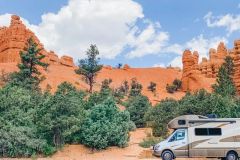 How to Plan an RV Road Trip Through the Southwest U.S.Learn how to plan an RV road trip through the Southwest U.S. with route ideas, camping advice, packing tips, safety planning, and expert travel strategies for an unforgettable adventure.
 RV Essentials You Should Always Keep OnboardDiscover the RV essentials you should always keep onboard for safer and more comfortable trips. Learn which tools, supplies, and accessories every RV owner needs before hitting the road.
 Essential First Aid Tips Every Camper Should KnowLearn essential first aid tips every camper should know, including injury prevention, emergency response steps, first aid kit preparation, and outdoor safety advice for every adventure.
 Campfire Coffee Brewing Methods Every Camper Should TryDiscover the best Campfire Coffee brewing methods for campers, from classic cowboy coffee to pour-over techniques, with expert tips for making great coffee outdoors.
 How to Maintain Comfort While Dry Camping in Cold WeatherLearn how to maintain comfort while dry camping in cold weather with practical insulation tips, gear strategies, real camping stories, and expert advice for safe winter outdoor adventures.
 Campfire Desserts Beyond S’mores: Easy Outdoor Treat IdeasDiscover creative Campfire Desserts That Go Beyond S’mores with easy, fun, and delicious outdoor recipes perfect for family camping nights and unforgettable fire pit moments.