What this guide helps you decide
Use the article to prepare questions, compare public listing details, and avoid choosing a campground from one headline, rating, or search result alone.
- 1 - The Benefits of Using Campfire Heat for Camping Gear
- 2 - How to Safely Heat Your Camping Gear with Campfire
- 3 - Types of Camping Gear You Can Heat with a Campfire
- Confirm seasonal access, amenities, fees, reservation rules, and availability with the campground.
- Compare more than one listing when the decision affects safety, cost, or travel time.
- Use public ratings and photos as signals, not guarantees.
- 1 - The Benefits of Using Campfire Heat for Camping Gear
- 2 - How to Safely Heat Your Camping Gear with Campfire
- 3 - Types of Camping Gear You Can Heat with a Campfire
- 4 - Campfire Heating Tips for Gear
- 5 - Common Mistakes to Avoid When Using Campfire Heat
- 6 - Alternative Ways to Heat Camping Gear
1 - The Benefits of Using Campfire Heat for Camping Gear
When you're out camping in colder conditions, nothing beats the warmth of a campfire. But did you know you can also use that campfire heat to warm up your camping gear? Using campfire heat to warm gear is an effective and practical solution to make your camping experience more comfortable. Whether you're looking to warm up a sleeping bag, dry out clothes, or heat up gear before using it, the campfire can be an excellent source of warmth.
Besides comfort, warming up your gear using a campfire can prevent discomfort and hypothermia, which is crucial for your safety, especially when camping in the wilderness. It also helps ensure that your camping equipment functions properly, as cold gear may not perform as well in extreme temperatures.
2 - How to Safely Heat Your Camping Gear with Campfire
While heating your gear with a campfire can be effective, safety should always be your top priority. Here's how to safely use campfire heat to warm your camping gear:
- Keep a Safe Distance: Always maintain a safe distance between your gear and the fire to avoid direct contact with flames. Place your gear just close enough to benefit from the warmth, but far enough to avoid melting or damage.
- Use Heat-Resistant Materials: Make sure your gear is made from materials that can withstand the heat. Gear like sleeping bags, tents, and clothes that are designed for outdoor use can handle indirect heat, but always check the manufacturer's guidelines.
- Monitor Gear Frequently: Regularly check the gear you are warming up to ensure it isn't getting too hot or starting to burn. Turn it occasionally to heat it evenly and prevent localized overheating.
- Use Heat Reflectors: Consider using a heat reflector, such as a metal sheet or foil, to direct the campfire’s warmth toward your gear. This method prevents direct exposure to flames while still providing adequate heat for warming your items.
By following these safety measures, you can effectively warm up your camping gear without risking damage or injury.
3 - Types of Camping Gear You Can Heat with a Campfire
Not all camping gear can be heated with a campfire, so it’s important to know what you can safely warm up. Here’s a list of gear that can be safely heated with campfire heat:
- Sleeping Bags: Sleeping bags, especially those with synthetic insulation, can be warmed by hanging them near the campfire or laying them on a heat-reflective surface. Just be cautious not to let the bag touch the flames directly.
- Clothing: Wet or cold clothing, such as socks, gloves, and jackets, can be dried and warmed near the campfire. Use a clothesline or a piece of rope to hang items above the fire to dry them out, but avoid putting them too close to the flames.
- Tents: If you’re camping in a cold environment, you can place the tent near the campfire to warm it up before you sleep. Be cautious with tent materials as some may be more flammable than others, and always keep a safe distance from the fire.
- Water Containers: You can use the heat from the fire to warm up water in a metal container for drinking, cooking, or cleaning. Make sure the container is heat-resistant, like a steel or aluminum bottle.
These items can benefit from the warmth of a campfire, especially when you need them to perform better in cold conditions. Be sure to take precautions, though, to avoid overheating or damaging your gear.
4 - Campfire Heating Tips for Gear
To maximize the effectiveness of campfire heating and ensure your gear is safe, consider these tips:
- Use Indirect Heat: Always avoid placing gear directly into the flames. Instead, place it near the campfire, where the heat is intense but not direct, such as on a heat-reflective surface or in the warm air surrounding the fire.
- Rotate Gear Regularly: Gear like clothing and sleeping bags should be rotated periodically to ensure that heat is distributed evenly. This will prevent overheating in one area and help your gear warm up faster.
- Use a Dry Bag: If you're warming up gear that has become wet, such as clothing or a sleeping bag, consider using a dry bag. The bag helps prevent moisture from interfering with the heating process and keeps your gear dry while it’s warming up.
- Monitor the Temperature: It’s essential to monitor how hot your gear is getting. Be cautious when using gear near the fire to avoid melting or damaging any materials, especially plastic or synthetic fabrics.
By applying these tips, you can safely and efficiently warm your camping gear with the campfire heat, making your outdoor experience much more enjoyable.
5 - Common Mistakes to Avoid When Using Campfire Heat
While heating your gear with a campfire can be effective, there are common mistakes that should be avoided to ensure safety and prevent damage to your equipment:
- Placing Gear Too Close to the Flames: Never place your gear directly in the fire or too close to the flames, as this can result in melting or even burning your gear. Always keep a safe distance.
- Ignoring Material Sensitivity: Some materials are more sensitive to heat than others. Always check the labels on your gear to make sure it’s safe to expose it to campfire heat.
- Overheating Gear: Don’t overheat your gear by leaving it too long near the fire. Excessive heat can damage fabrics and insulation, especially in sleeping bags and tents.
By avoiding these common mistakes, you can ensure that your gear is heated safely and effectively without causing any harm to your equipment.
6 - Alternative Ways to Heat Camping Gear
If you’re looking for alternative methods to heat your camping gear, here are a few options:
- Portable Heating Pads: Rechargeable heating pads are a great alternative to campfire heating. These can be placed inside sleeping bags or clothing to provide consistent warmth throughout the night.
- Insulated Gear: Invest in high-quality, insulated gear that traps heat and keeps you warm in colder temperatures. Insulated sleeping bags and jackets can provide warmth without needing to rely on external heat sources.
- Solar Warmers: If you're camping during the day, you can use solar-powered heating pads or warmers to charge your gear or water during the daylight hours, offering another environmentally friendly way to warm your gear.
These alternatives provide reliable heating options when a campfire isn’t available or if you want to reduce your reliance on fire-based methods for warming your gear.
If you need high-quality camping gear or heating accessories, visit Camp Spotter for the best deals on products that enhance your outdoor experience.
Related Camping Guides
Keep reading if you are comparing destinations, amenities, access, reservation questions, or listing quality.
 How to Plan an RV Road Trip Through the Southwest U.S.Learn how to plan an RV road trip through the Southwest U.S. with route ideas, camping advice, packing tips, safety planning, and expert travel strategies for an unforgettable adventure.
 RV Essentials You Should Always Keep OnboardDiscover the RV essentials you should always keep onboard for safer and more comfortable trips. Learn which tools, supplies, and accessories every RV owner needs before hitting the road.
 Essential First Aid Tips Every Camper Should KnowLearn essential first aid tips every camper should know, including injury prevention, emergency response steps, first aid kit preparation, and outdoor safety advice for every adventure.
 Campfire Coffee Brewing Methods Every Camper Should TryDiscover the best Campfire Coffee brewing methods for campers, from classic cowboy coffee to pour-over techniques, with expert tips for making great coffee outdoors.
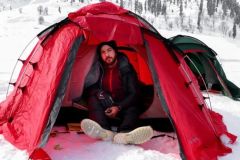 How to Maintain Comfort While Dry Camping in Cold WeatherLearn how to maintain comfort while dry camping in cold weather with practical insulation tips, gear strategies, real camping stories, and expert advice for safe winter outdoor adventures.
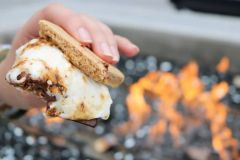 Campfire Desserts Beyond S’mores: Easy Outdoor Treat IdeasDiscover creative Campfire Desserts That Go Beyond S’mores with easy, fun, and delicious outdoor recipes perfect for family camping nights and unforgettable fire pit moments.