What this guide helps you decide
Use the article to prepare questions, compare public listing details, and avoid choosing a campground from one headline, rating, or search result alone.
- 1. Layering Like a Pro for Cold Weather Camping
- 2. Choose the Right Sleeping Gear for Low Temperatures
- 3. Site Selection and Tent Insulation Tips
- Confirm seasonal access, amenities, fees, reservation rules, and availability with the campground.
- Compare more than one listing when the decision affects safety, cost, or travel time.
- Use public ratings and photos as signals, not guarantees.
- layering-like-a-pro-for-cold-weather-camping
- choose-the-right-sleeping-gear-for-low-temperatures
- site-selection-and-tent-insulation-tips
- smart-food-and-hydration-to-stay-warm
- real-campers-survival-stories-in-the-cold
- gear-up-at-camp-spotter
1. Layering Like a Pro for Cold Weather Camping
The secret to staying warm while camping in cold weather lies in smart, strategic layering. Start with a moisture-wicking base layer to keep sweat off your skin. Add an insulating middle layer like fleece or down to retain body heat. Finish with a windproof and waterproof outer layer to block external elements.
Wool socks, gloves, and thermal hats are essentials. Remember, extremities lose heat fastest—don’t neglect your head and hands. Veteran campers swear by the “sleep with your clothes for the next day” trick—it keeps them warm overnight and toasty in the morning.
2. Choose the Right Sleeping Gear for Low Temperatures
Your sleeping bag is more than comfort—it's your personal heater. Look for a sleeping bag rated 10°F below the expected nighttime temperature. Pair it with an insulated sleeping pad to prevent ground cold from seeping into your body.
Mummy-style bags and insulated liners are game-changers. Some campers even add a hot water bottle to the foot of the sleeping bag—a classic trick that still works wonders. And never sleep directly on the ground. The ground always wins in a battle of warmth.
3. Site Selection and Tent Insulation Tips
Avoid valleys or low ground, where cold air sinks. Choose a site with natural windbreaks—think trees or large rocks. Facing your tent entrance east lets the morning sun warm you first thing.
Inside the tent, insulate with reflective emergency blankets or foam mats along the walls and floor. Ventilation is also important: a sealed tent leads to condensation, which can chill you faster than outside air.
4. Smart Food and Hydration to Stay Warm
Eating well is half the battle. High-calorie meals, especially those rich in fats and complex carbs, fuel your internal furnace. Warm meals and hot drinks provide instant heat and long-lasting energy.
Hydration matters too—cold weather dehydrates more than you think. But skip icy drinks. Stick to warm beverages like tea, cocoa, or even broth. Insulated bottles keep liquids warm and prevent freezing overnight.
5. Real Campers’ Survival Stories in the Cold
Jessica from Wyoming recalls her first winter trip: “We packed a 3-season tent thinking it’d be fine. The first night dipped to 15°F and it was miserable. We made a wind barrier out of snow the next day, and it changed everything.”
Tom, a backpacker in Montana, shared: “I underestimated the value of a good pad. I was in a zero-degree bag but froze until I got a thick foam pad. After that, I actually slept warm through 20°F temps.”
6. Gear Up at Camp Spotter
To stay warm during cold weather camping, having the right gear is essential—and not every product lives up to its label. That’s where Camp Spotter comes in. Find well-reviewed sleeping systems, high-performance layers, and smart accessories curated specifically for winter camping comfort.
Cold shouldn’t scare you off the trail. With proper planning, you can enjoy quiet frosty mornings, crisp starlit skies, and the peaceful solitude that only off-season camping brings.
Related Camping Guides
Keep reading if you are comparing destinations, amenities, access, reservation questions, or listing quality.
 How to Plan an RV Road Trip Through the Southwest U.S.Learn how to plan an RV road trip through the Southwest U.S. with route ideas, camping advice, packing tips, safety planning, and expert travel strategies for an unforgettable adventure.
 RV Essentials You Should Always Keep OnboardDiscover the RV essentials you should always keep onboard for safer and more comfortable trips. Learn which tools, supplies, and accessories every RV owner needs before hitting the road.
 Essential First Aid Tips Every Camper Should KnowLearn essential first aid tips every camper should know, including injury prevention, emergency response steps, first aid kit preparation, and outdoor safety advice for every adventure.
 Campfire Coffee Brewing Methods Every Camper Should TryDiscover the best Campfire Coffee brewing methods for campers, from classic cowboy coffee to pour-over techniques, with expert tips for making great coffee outdoors.
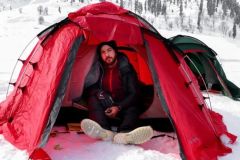 How to Maintain Comfort While Dry Camping in Cold WeatherLearn how to maintain comfort while dry camping in cold weather with practical insulation tips, gear strategies, real camping stories, and expert advice for safe winter outdoor adventures.
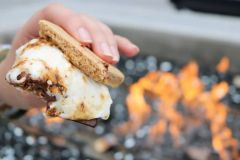 Campfire Desserts Beyond S’mores: Easy Outdoor Treat IdeasDiscover creative Campfire Desserts That Go Beyond S’mores with easy, fun, and delicious outdoor recipes perfect for family camping nights and unforgettable fire pit moments.