What this guide helps you decide
Use the article to prepare questions, compare public listing details, and avoid choosing a campground from one headline, rating, or search result alone.
- 1. How to Find Campsites That Allow Open Fires
- 2. Understanding Campsite Fire Regulations
- 3. Where to Find Campsites with Open Fires
- Confirm seasonal access, amenities, fees, reservation rules, and availability with the campground.
- Compare more than one listing when the decision affects safety, cost, or travel time.
- Use public ratings and photos as signals, not guarantees.
1. How to Find Campsites That Allow Open Fires
php-templateCopy code- Understanding Campsite Fire Regulations
- Where to Find Campsites with Open Fires
- Factors to Consider When Camping with Open Fires
- Campfire Safety Tips
- Real-Life Experiences with Open Fire Camping
2. Understanding Campsite Fire Regulations
When planning a camping trip, one of the most cherished experiences is sitting around a campfire. However, many campgrounds and parks have specific regulations about open fires, especially during dry seasons or in certain ecological zones. Understanding these regulations is crucial to ensure that you are camping safely and legally. Here's what you need to know:
Campfire Restrictions
Many campsites, particularly in national parks or in areas with high wildfire risk, may restrict open fires to certain times of the year. During fire bans or high-risk seasons, open fires might be prohibited altogether. Always check with the campground or park for any fire restrictions before you go.
Designated Fire Pits
Some campgrounds allow campfires but require you to use designated fire pits or grills. These designated areas are typically safer, reducing the risk of wildfires and making cleanup easier. Always use these provided pits to ensure you’re following regulations and maintaining safety standards.
Firewood Rules
In some areas, there may be restrictions on bringing in firewood due to the risk of spreading pests and diseases, like the emerald ash borer. Campgrounds that allow open fires may provide firewood for sale, or you may need to gather wood within the campground, depending on local regulations.
3. Where to Find Campsites with Open Fires
Not all campsites allow open fires, but many do, especially in rural or wilderness areas. To find campgrounds that allow open fires, consider the following tips:
National Forests and Wooded Areas
National forests are more likely to have campsites that allow open fires, as these areas are generally less susceptible to the same fire risks as national parks. Be sure to check individual forest regulations, as some areas may have specific fire zones or rules about fire use.
State Parks
State parks often provide designated campsites with fire pits, making them an excellent choice for campers who want the full campfire experience. Many state parks allow open fires but require you to use their established fire pits for safety.
Private Campgrounds
Many private campgrounds are more flexible about allowing open fires, especially those in less fire-prone areas. These campgrounds may also provide amenities like firewood for purchase, making it easier to enjoy a campfire without worrying about gathering wood yourself.
Camping Websites and Resources
Websites like Camp Spotter offer comprehensive listings of campgrounds that allow open fires. These resources allow you to filter campsites by amenities, including fire pits, and view up-to-date information about fire regulations in specific areas.
4. Factors to Consider When Camping with Open Fires
Before lighting an open fire at your campsite, consider several key factors to ensure that your experience is safe and enjoyable:
Weather Conditions
Always consider the current weather conditions when planning to use an open fire. High winds or dry conditions can quickly escalate a small campfire into a wildfire. In areas experiencing dry spells or droughts, many campgrounds will impose fire bans to protect the environment and public safety.
Firewood Availability
Some campgrounds provide firewood, while others may not. Before you arrive, check whether you need to bring your own firewood or if it’s available for purchase at the campsite. Gathering wood from the surrounding area may be restricted to prevent environmental damage.
Firepit Safety
If the campsite provides a designated fire pit, make sure it’s safe and well-maintained. Avoid using large logs that can roll out of the pit, and never leave a fire unattended. Always have water or sand on hand to extinguish the fire before you leave or go to sleep.
Local Wildlife
In some campgrounds, open fires can attract local wildlife. Animals like bears, raccoons, or deer may be drawn to the warmth or the smell of food cooking on the fire. Make sure to follow all local guidelines for food storage and fire safety to avoid attracting animals to your campsite.
5. Campfire Safety Tips
While campfires are a beloved part of the camping experience, they must be managed responsibly. Here are some essential campfire safety tips:
Keep the Fire Small
A small, controlled fire is not only safer but also more effective for cooking and warmth. Large fires can quickly get out of control, especially in windy conditions, and can cause serious harm to the surrounding environment.
Extinguish the Fire Properly
Before leaving your campsite or going to bed, always make sure your fire is completely out. Pour water over the fire, stir the ashes, and make sure no embers are still glowing. Never leave a fire unattended without properly putting it out.
Avoid Flammable Materials Around the Fire
Keep flammable materials, such as tents, backpacks, and clothing, a safe distance from the fire. Always supervise children and pets around the fire to prevent accidents.
6. Real-Life Experiences with Open Fire Camping
Real-life experiences often highlight the importance of responsible campfire management and choosing the right campsite. Here’s a story from a seasoned camper:
James and Sarah's Open Fire Experience
James and Sarah, avid campers from Texas, had always enjoyed sitting around the campfire at their favorite state park. On one trip, however, they neglected to check the weather forecast, and strong winds made their campfire spread unexpectedly. Luckily, they had a fire extinguisher nearby and were able to quickly control the fire. “We learned the hard way how important it is to respect fire safety rules,” says James. “Now we always check the weather before starting a fire and make sure the fire is small and manageable.”
If you want to explore more fire-friendly campsites and get the best camping recommendations, check out Camp Spotter for the perfect places that allow open fires and offer the ideal setting for your next outdoor adventure.
Related Camping Guides
Keep reading if you are comparing destinations, amenities, access, reservation questions, or listing quality.
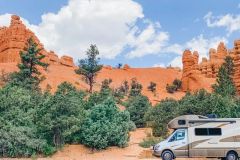 How to Plan an RV Road Trip Through the Southwest U.S.Learn how to plan an RV road trip through the Southwest U.S. with route ideas, camping advice, packing tips, safety planning, and expert travel strategies for an unforgettable adventure.
 RV Essentials You Should Always Keep OnboardDiscover the RV essentials you should always keep onboard for safer and more comfortable trips. Learn which tools, supplies, and accessories every RV owner needs before hitting the road.
 Essential First Aid Tips Every Camper Should KnowLearn essential first aid tips every camper should know, including injury prevention, emergency response steps, first aid kit preparation, and outdoor safety advice for every adventure.
 Campfire Coffee Brewing Methods Every Camper Should TryDiscover the best Campfire Coffee brewing methods for campers, from classic cowboy coffee to pour-over techniques, with expert tips for making great coffee outdoors.
 How to Maintain Comfort While Dry Camping in Cold WeatherLearn how to maintain comfort while dry camping in cold weather with practical insulation tips, gear strategies, real camping stories, and expert advice for safe winter outdoor adventures.
 Campfire Desserts Beyond S’mores: Easy Outdoor Treat IdeasDiscover creative Campfire Desserts That Go Beyond S’mores with easy, fun, and delicious outdoor recipes perfect for family camping nights and unforgettable fire pit moments.