What this guide helps you decide
Use the article to prepare questions, compare public listing details, and avoid choosing a campground from one headline, rating, or search result alone.
- 1. How to Clean Up After Your Campfire (Step by Step)
- 2. Why Campfire Cleanup Is More Important Than You Think
- 3. Step-by-Step: How to Clean Up After Your Campfire
- Confirm seasonal access, amenities, fees, reservation rules, and availability with the campground.
- Compare more than one listing when the decision affects safety, cost, or travel time.
- Use public ratings and photos as signals, not guarantees.
- how-to-clean-up-after-your-campfire-step-by-step
- why-campfire-cleanup-is-more-important-than-you-think
- step-by-step-how-to-clean-up-after-your-campfire
- what-to-avoid-when-cleaning-a-campfire-site
- real-case-the-forest-that-burned-because-someone-didnt-clean-up
- camp-spotter-your-resource-for-safe-responsible-camping
1. How to Clean Up After Your Campfire (Step by Step)
Sitting around a warm fire under the stars is one of the most rewarding parts of camping. But knowing how to clean up after your campfire is what separates responsible campers from careless ones. It's more than a courtesy—it’s about protecting the environment, wildlife, and the people who will camp after you. Whether you’re a seasoned adventurer or a first-time fire builder, here’s everything you need to know about proper campfire cleanup.
2. Why Campfire Cleanup Is More Important Than You Think
2.1 The Hidden Dangers of Ash and Embers
Even if your campfire looks extinguished, hot embers can linger for hours—sometimes even until the next day. A simple gust of wind or a passing animal can reignite what seems like cold ash. This is how many wildfires begin, especially in dry seasons.
2.2 Wildlife and Human Safety
Animals may be attracted to leftover food scraps or charred wood, potentially ingesting harmful materials. Children at campsites have also been burned by smoldering ashes that were carelessly left behind. Cleaning up protects everyone—furry or human.
2.3 It’s Part of Leave No Trace Principles
One of the golden rules of camping is to leave your site better than you found it. That includes making sure your campfire area is free of debris, safe for the next camper, and indistinguishable from the natural surroundings.
3. Step-by-Step: How to Clean Up After Your Campfire
3.1 Extinguish It Completely
Start by dousing your fire with water—lots of it. Use a shovel or stick to stir the ashes while pouring water. Continue until there’s no steam, no hissing sound, and the ashes feel cool to the touch. If you don’t have water, dirt can help, but water is far more effective.
3.2 Scatter Ashes Only If Allowed
In some areas, it’s acceptable to scatter cold ashes in a wide area away from water sources. In others, especially protected parks, ash must be bagged and packed out. Always check local regulations before dispersing any debris.
3.3 Remove Burned and Unburned Wood
Leftover charred logs should be removed or scattered naturally, depending on site policy. Unburned wood should not be left in or around the fire pit—it invites others to build fires in undesignated areas.
3.4 Rebuild the Natural Ground (If Applicable)
In wild or primitive camping areas, rebuild the site so it appears untouched. Cover the fire spot with soil, leaves, or rocks as needed. This helps restore the landscape and deters others from lighting fires in unauthorized places.
4. What to Avoid When Cleaning a Campfire Site
4.1 Never Bury Live Embers
Burying a smoldering fire may insulate it enough to ignite later. It may seem like a quick fix, but it’s highly dangerous and discouraged by all fire safety organizations.
4.2 Don’t Assume Rain Will Handle It
Just because the forecast calls for rain doesn’t mean it will completely extinguish your fire. Always take the time to clean it properly yourself.
4.3 Avoid Tossing Trash in the Fire
Burning plastics, cans, or food waste releases toxic chemicals and leaves behind harmful residue. All trash should be packed out—not burned.
5. Real Case: The Forest That Burned Because Someone Didn’t Clean Up
In 2020, a single unattended campfire in Colorado’s San Juan National Forest sparked a wildfire that scorched over 400 acres. Investigators traced the blaze to a group that had left a ring of warm coals buried under rocks. The fire reignited hours later, driven by afternoon winds. What started as a relaxing weekend turned into an environmental disaster that cost over $1 million to contain.
Stories like these aren’t rare—and they’re almost always preventable. It all comes down to understanding and respecting the power of fire.
6. Camp Spotter: Your Resource for Safe, Responsible Camping
At Camp Spotter, we believe every camper can leave a positive impact. That’s why we offer field-tested gear, safety checklists, and expert advice tailored for real outdoor conditions. From eco-friendly fire starters to portable cleanup kits, everything we offer is designed to help you camp responsibly without sacrificing comfort or experience.
If you’re looking to level up your backcountry know-how or just want the best tools for your next trip, Camp Spotter is your trail-tested partner for safe, unforgettable adventures.
Related Camping Guides
Keep reading if you are comparing destinations, amenities, access, reservation questions, or listing quality.
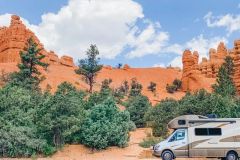 How to Plan an RV Road Trip Through the Southwest U.S.Learn how to plan an RV road trip through the Southwest U.S. with route ideas, camping advice, packing tips, safety planning, and expert travel strategies for an unforgettable adventure.
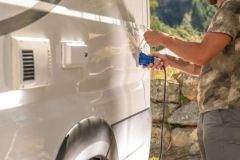 RV Essentials You Should Always Keep OnboardDiscover the RV essentials you should always keep onboard for safer and more comfortable trips. Learn which tools, supplies, and accessories every RV owner needs before hitting the road.
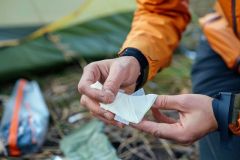 Essential First Aid Tips Every Camper Should KnowLearn essential first aid tips every camper should know, including injury prevention, emergency response steps, first aid kit preparation, and outdoor safety advice for every adventure.
 Campfire Coffee Brewing Methods Every Camper Should TryDiscover the best Campfire Coffee brewing methods for campers, from classic cowboy coffee to pour-over techniques, with expert tips for making great coffee outdoors.
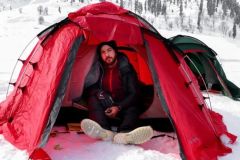 How to Maintain Comfort While Dry Camping in Cold WeatherLearn how to maintain comfort while dry camping in cold weather with practical insulation tips, gear strategies, real camping stories, and expert advice for safe winter outdoor adventures.
 Campfire Desserts Beyond S’mores: Easy Outdoor Treat IdeasDiscover creative Campfire Desserts That Go Beyond S’mores with easy, fun, and delicious outdoor recipes perfect for family camping nights and unforgettable fire pit moments.