What this guide helps you decide
Use the article to prepare questions, compare public listing details, and avoid choosing a campground from one headline, rating, or search result alone.
- 1 - Understanding Campsites and Their Features
- 2 - Types of Campsites for Tent Camping
- 3 - How to Choose the Right Campsite for Your Tent
- Confirm seasonal access, amenities, fees, reservation rules, and availability with the campground.
- Compare more than one listing when the decision affects safety, cost, or travel time.
- Use public ratings and photos as signals, not guarantees.
- 1 - Understanding Campsites and Their Features
- 2 - Types of Campsites for Tent Camping
- 3 - How to Choose the Right Campsite for Your Tent
- 4 - Tips for Setting Up Your Tent at the Campsite
- 5 - Essential Gear for a Comfortable Tent Camping Experience
1 - Understanding Campsites and Their Features
When it comes to tent camping, choosing the right campsite is crucial for a comfortable and safe outdoor experience. A campsite typically offers a designated area for you to set up your tent, but it can come with various amenities and features. Some campsites are primitive, providing only a flat surface to pitch your tent, while others might have more developed facilities like running water, electricity, and picnic tables. Understanding these features will help you select a campsite that suits your needs.
2 - Types of Campsites for Tent Camping
There are several types of campsites available for tent campers, each offering different levels of amenities:
- Primitive Campsites: These sites are often located in remote or wilderness areas with no amenities beyond a flat area for your tent. These are perfect for experienced campers looking for a true back-to-nature experience.
- Developed Campsites: Developed campsites may feature amenities like fire pits, picnic tables, restrooms, and even access to water and electricity. These sites are ideal for those who want a bit more comfort during their camping experience.
- Backcountry Campsites: For those seeking solitude, backcountry campsites are typically found in more remote areas, accessible only by hiking or kayaking. These campsites often have minimal facilities but offer a peaceful, immersive experience in nature.
- RV Parks with Tent Sites: Many RV parks also offer tent camping sites, allowing you to enjoy the convenience of nearby amenities such as showers and a general store, with the option to camp in a more structured environment.
3 - How to Choose the Right Campsite for Your Tent
Choosing the right campsite for your tent depends on a variety of factors, including the location, facilities, and your personal preferences. Here’s how you can make the best choice:
- Location: Consider the environment and terrain of the campsite. Is it near a lake, in a forest, or up in the mountains? Your location can determine your outdoor activities and the level of comfort you’ll have during your stay.
- Amenities: If you prefer a comfortable experience, choose a campsite with amenities such as clean restrooms, water sources, and picnic tables. For more rugged experiences, primitive campsites will offer just the basics.
- Weather Considerations: Check the weather forecast for the area before selecting your campsite. Choose a location that provides adequate shelter from the wind and rain, and be mindful of any extreme conditions.
- Accessibility: How far are you willing to hike or travel to reach your campsite? If you’re bringing kids or heavy gear, you may want a site that’s easy to access by car, while those seeking adventure might prefer a more remote site.
- Noise and Privacy: Some campsites can get crowded, especially during peak seasons. If privacy and quiet are important to you, look for campsites that are further away from popular spots or consider visiting during the off-season.
4 - Tips for Setting Up Your Tent at the Campsite
Once you’ve chosen the right campsite, setting up your tent properly is essential to ensuring a safe and comfortable camping experience. Here are some helpful tips for setting up your tent:
- Choose a Flat, Dry Spot: Make sure the ground is level to avoid discomfort while sleeping. Avoid setting up your tent in low areas where water could collect in case of rain.
- Consider the Wind: Always check the wind direction and pitch your tent so the door is facing away from it. This will prevent the tent from being blown over or damaged by gusts.
- Use a Ground Tarp: A ground tarp can help protect your tent floor from rocks, sticks, and moisture. Make sure the tarp is slightly smaller than the tent’s footprint to avoid rainwater collecting under the tent.
- Secure Your Tent Properly: Use stakes and guylines to ensure your tent stays anchored, especially in windy conditions. Double-check the tension of the guylines to avoid any sagging.
5 - Essential Gear for a Comfortable Tent Camping Experience
Having the right gear can make all the difference when camping with a tent. Here are some essentials you shouldn’t forget:
- Sleeping Bag and Pad: Ensure you have a high-quality sleeping bag that suits the weather conditions. A sleeping pad or inflatable mattress can provide added comfort and insulation from the ground.
- Cooking Equipment: A portable stove, cooking utensils, and lightweight cookware are crucial for preparing meals at your campsite. Don't forget a cooler to store perishable food items.
- Lighting: Headlamps or lanterns will ensure you can see at night, whether it’s for cooking or finding your way around the campsite.
- First Aid Kit: Accidents can happen, so having a well-stocked first aid kit is essential. Include bandages, antiseptic, pain relievers, and any necessary personal medications.
- Weather Protection: Bring clothing appropriate for the weather, including layers, waterproof jackets, and hats. A good pair of hiking boots will help keep your feet dry and comfortable.
For more camping gear recommendations and the best campsites, check out Camp Spotter.
Related Camping Guides
Keep reading if you are comparing destinations, amenities, access, reservation questions, or listing quality.
 How to Plan an RV Road Trip Through the Southwest U.S.Learn how to plan an RV road trip through the Southwest U.S. with route ideas, camping advice, packing tips, safety planning, and expert travel strategies for an unforgettable adventure.
 RV Essentials You Should Always Keep OnboardDiscover the RV essentials you should always keep onboard for safer and more comfortable trips. Learn which tools, supplies, and accessories every RV owner needs before hitting the road.
 Essential First Aid Tips Every Camper Should KnowLearn essential first aid tips every camper should know, including injury prevention, emergency response steps, first aid kit preparation, and outdoor safety advice for every adventure.
 Campfire Coffee Brewing Methods Every Camper Should TryDiscover the best Campfire Coffee brewing methods for campers, from classic cowboy coffee to pour-over techniques, with expert tips for making great coffee outdoors.
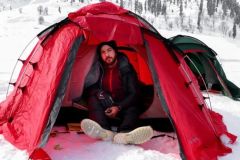 How to Maintain Comfort While Dry Camping in Cold WeatherLearn how to maintain comfort while dry camping in cold weather with practical insulation tips, gear strategies, real camping stories, and expert advice for safe winter outdoor adventures.
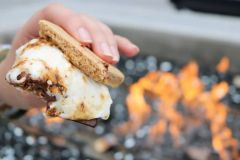 Campfire Desserts Beyond S’mores: Easy Outdoor Treat IdeasDiscover creative Campfire Desserts That Go Beyond S’mores with easy, fun, and delicious outdoor recipes perfect for family camping nights and unforgettable fire pit moments.