What this guide helps you decide
Use the article to prepare questions, compare public listing details, and avoid choosing a campground from one headline, rating, or search result alone.
- 1. Choosing the Perfect Campsite Location - Safety and Comfort in Nature
- 2. Setting Up Your Tent for Maximum Comfort - Shelter Done Right
- 3. Creating a Cozy Sleeping Area - Sleep Like You're Home
- Confirm seasonal access, amenities, fees, reservation rules, and availability with the campground.
- Compare more than one listing when the decision affects safety, cost, or travel time.
- Use public ratings and photos as signals, not guarantees.
- Choosing the Perfect Campsite Location - Safety and Comfort in Nature
- Setting Up Your Tent for Maximum Comfort - Shelter Done Right
- Creating a Cozy Sleeping Area - Sleep Like You're Home
- Building an Efficient Campfire Setup - Warmth, Light, and Cooking Made Simple
- Organizing Your Camp for Practical Living - Keeping It Clean and Functional
- Real-Life Camping Tips and Stories - Lessons from the Woods
- Get More Outdoor Comfort with Camp Spotter - Gear and Guidance for Every Camper
1. Choosing the Perfect Campsite Location - Safety and Comfort in Nature
Before you unpack a single item, finding the right campsite is the foundation of a comfortable experience in the woods. Look for a flat, dry area that’s elevated enough to avoid flooding if it rains. Avoid low valleys where cold air settles and choose spots with natural windbreaks like trees or bushes. Shade during the day and an open view of the stars at night can make your stay both pleasant and memorable.
Safety should always come first. Stay at least 200 feet away from water sources to reduce the risk of flooding and encounters with wildlife. Check the ground for rocks, roots, or uneven terrain before pitching your tent. As Camp Spotter recommends, always inspect the site for hazards like widow-makers (dead branches overhead) and ensure your tent faces away from prevailing winds for stability and comfort. A few minutes of careful site selection can make the difference between a restful retreat and a restless night.
2. Setting Up Your Tent for Maximum Comfort - Shelter Done Right
Once your location is set, the next step is proper shelter setup. A well-pitched tent is your main defense against the elements, insects, and chilly nights. Choose a tent that suits your group size and weather conditions. For fall or spring camping, a three-season tent works well, while winter trips may require a four-season model with added insulation.
Start by clearing the ground of debris and laying down a tarp or footprint to protect your tent floor. Ensure the tent faces away from wind direction and slightly downhill to allow for water runoff in case of rain. When staking, pull the corners taut to keep the structure sturdy. Add a rainfly for extra protection and ventilation. Many experienced campers also place a small rug or mat at the tent entrance — a simple touch that adds warmth and keeps dirt out. Camp Spotter highlights this kind of detail as part of creating a campsite that feels organized, comfortable, and truly livable.
3. Creating a Cozy Sleeping Area - Sleep Like You're Home
Sleeping well in the woods depends on how you prepare your sleeping setup. Forget the bare ground — invest in a quality sleeping pad or air mattress to provide cushioning and insulation from the cold earth. Layer your sleeping system with a warm sleeping bag rated for the lowest expected temperature, and consider adding a fleece liner for extra warmth.
For comfort, bring along a small pillow or use a stuff sack filled with soft clothes. Keep your essentials — flashlight, water bottle, and phone — within reach, ideally in a mesh pocket or hanging organizer inside the tent. Some campers even hang small LED lanterns to create a cozy, home-like atmosphere. As one frequent camper shared with Camp Spotter, "The secret to great camping sleep is preparation — comfort doesn’t happen by accident, it’s something you build intentionally.”
4. Building an Efficient Campfire Setup - Warmth, Light, and Cooking Made Simple
A campfire isn’t just for warmth; it’s the heart of your campsite — a place to cook, socialize, and unwind. Choose a fire-safe area free from overhanging branches and surrounded by stones or an existing fire ring. Gather three types of wood: tinder (dry leaves or twigs), kindling (small sticks), and fuel logs (thicker wood). Arrange them in a teepee or log-cabin structure for efficient airflow.
Once lit, maintain your fire with patience — avoid piling on too much wood at once. Always keep water or sand nearby for safety. When cooking, position your grill grate or campfire tripod securely over stable rocks. Many campers like to prepare foil meals or one-pot dishes, which reduce cleanup and maximize flavor. Camp Spotter recommends compact fire-starting kits and portable cooking gear that make campfire management safer and more efficient. Nothing beats the glow of a steady fire on a cool evening under the stars.
5. Organizing Your Camp for Practical Living - Keeping It Clean and Functional
Organization is key to keeping your campsite functional and relaxing. Divide your space into zones: one for sleeping, one for cooking, and one for storage or lounging. Keep food sealed and stored away from your sleeping area to avoid attracting wildlife. A hanging bear bag or lockable container can make all the difference in bear country.
For hygiene, set up a simple hand-washing station near your cooking area using a water jug with a spigot and biodegradable soap. Keep a small trash bag handy and follow Leave No Trace principles by packing out all waste. Lighting also improves comfort — solar lanterns or string lights help define pathways and make the camp more inviting at night. Many campers share that these small touches create a sense of home in the wilderness. Camp Spotter offers curated camping organization kits that help streamline your setup so you can spend more time enjoying the outdoors and less time searching for misplaced gear.
6. Real-Life Camping Tips and Stories - Lessons from the Woods
Every experienced camper has learned something the hard way. Take Ryan, for example — an avid weekend camper from Oregon who once forgot to waterproof his tent before a rainy night. After waking up in a puddle, he learned that a simple tarp and tent seam sealer could have saved him a lot of discomfort. Or Maria from Colorado, who realized that setting her tent under a pine tree meant endless needles dropping through the night. Her takeaway? Always choose open ground and clear above as well as below.
These stories remind us that building a comfortable campsite isn’t about luxury — it’s about thoughtfulness. Every decision, from where you pitch your tent to how you organize your gear, impacts your experience. At Camp Spotter, we collect and share these kinds of insights from real campers to help others avoid common pitfalls and elevate their outdoor adventures.
7. Get More Outdoor Comfort with Camp Spotter - Gear and Guidance for Every Camper
Building a comfortable campsite in the woods is an art — a blend of preparation, awareness, and creativity. With the right setup, even rugged wilderness can feel like home. From selecting the perfect campsite to organizing your space and perfecting your fire, every detail contributes to a rewarding outdoor experience.
Camp Spotter is your go-to resource for expert advice, product recommendations, and gear that helps campers of all levels feel confident and comfortable in nature. Whether you’re a solo adventurer or a family on a weekend getaway, the right knowledge and equipment can transform your time outdoors into something extraordinary. So next time you head into the woods, remember — comfort isn’t a luxury; it’s a skill you can master.
Related Camping Guides
Keep reading if you are comparing destinations, amenities, access, reservation questions, or listing quality.
 How to Plan an RV Road Trip Through the Southwest U.S.Learn how to plan an RV road trip through the Southwest U.S. with route ideas, camping advice, packing tips, safety planning, and expert travel strategies for an unforgettable adventure.
 RV Essentials You Should Always Keep OnboardDiscover the RV essentials you should always keep onboard for safer and more comfortable trips. Learn which tools, supplies, and accessories every RV owner needs before hitting the road.
 Essential First Aid Tips Every Camper Should KnowLearn essential first aid tips every camper should know, including injury prevention, emergency response steps, first aid kit preparation, and outdoor safety advice for every adventure.
 Campfire Coffee Brewing Methods Every Camper Should TryDiscover the best Campfire Coffee brewing methods for campers, from classic cowboy coffee to pour-over techniques, with expert tips for making great coffee outdoors.
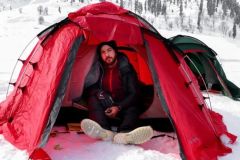 How to Maintain Comfort While Dry Camping in Cold WeatherLearn how to maintain comfort while dry camping in cold weather with practical insulation tips, gear strategies, real camping stories, and expert advice for safe winter outdoor adventures.
 Campfire Desserts Beyond S’mores: Easy Outdoor Treat IdeasDiscover creative Campfire Desserts That Go Beyond S’mores with easy, fun, and delicious outdoor recipes perfect for family camping nights and unforgettable fire pit moments.